Short Garden Rhyming Words: A Poetic Blooming Guide
Short garden rhyming words bring a playful rhythm to outdoor spaces, turning quiet nooks into charming corners of sound. These compact verses are perfect for signage, labels, or gentle reminders that feel friendly rather than fussy.
When you choose a light touch with language, even a few lines can help a small garden feel curated and cohesive. Think of them as tiny echoes that bounce from leaf to leaf, inviting you to slow down and notice the details.
Planning Rhymes for Small Outdoor Settings
Selecting short garden rhyming words starts with observing the mood of your space. A sunny patch may call for bright, energetic pairs, while a shaded bench area might suit softer, slower sounds.

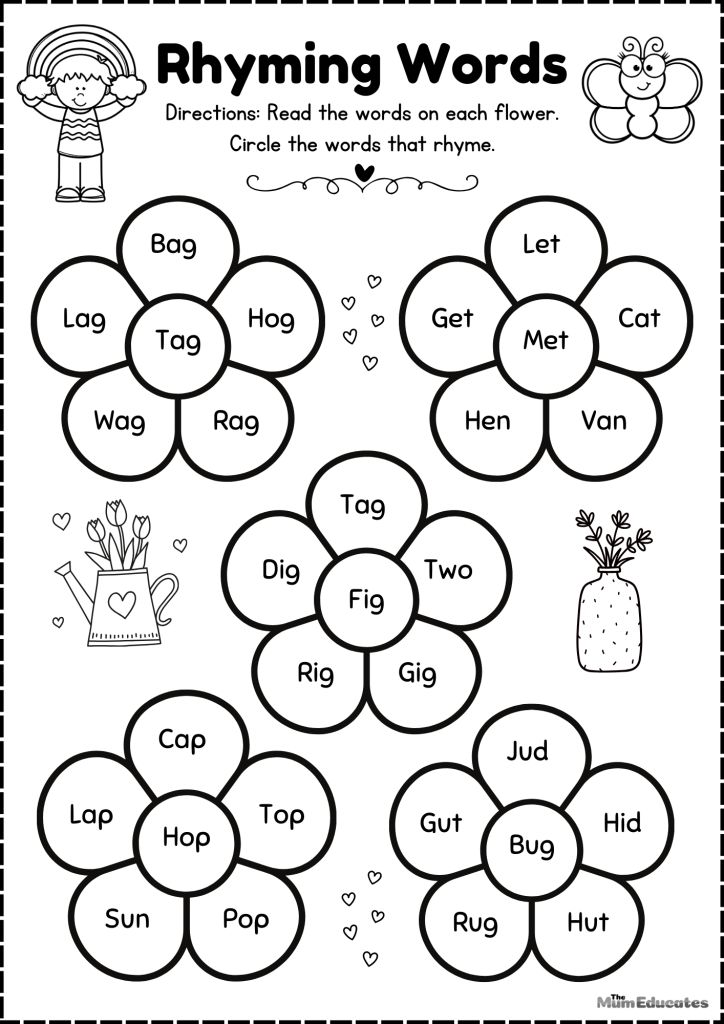

Consider who will read or hear the lines, whether it is children exploring, guests wandering by, or simply you tending plants in the quiet morning. Matching the tone of your rhymes to the experience you want visitors to have creates a subtle sense of harmony.
Site and Signage
Use short garden rhyming words on wooden stakes near seedlings, turning practical labels into tiny poems that guide the eye and ear. A simple rhyme about sun and fun can help new plants feel noticed without overwhelming the viewer with text.


For paths and stepping stones, very short lines that rhyme can act as gentle jokes or friendly warnings, reinforcing safety while adding a spark of wit to each step.
Themes and Plant Pairings
Match your rhymes to the dominant colors or fragrances in the bed, so the words feel like an extension of the flowers rather than a separate gimmick. A bed of lavender might pair with lines about calm, while a bright zonal geranium patch can handle livelier rhymes about buzz and hum.
Think about seasons too, choosing flexible short garden rhyming words that still make sense when the plants shift from green buds to faded blooms, ensuring the verse stays relevant across months.


Crafting Rhymes That Feel Natural
For many gardeners, the goal is not elaborate poetry but a sense of play that feels effortless. Aim for clear, everyday language that does not force an awkward rhyme just for the sake of the pattern.
Reading each line aloud helps you catch whether it trips off the tongue or lands with a comfortable, satisfying click. A simple couplet that uses familiar sounds can be more memorable than a clever one that is hard to pronounce while carrying a watering can.
Everyday Phrases and Familiar Images
Building rhymes around common gardening actions, such as dig, pick, and drip, keeps them grounded in reality rather than sounding abstract. These functional words pair naturally with images of soil, roots, and hands in the earth.


Incorporate gentle humor by rhyming a serious plant need with a small indulgence, like sun with fun or rain with plain, to remind yourself and others that gardening can be both purposeful and lighthearted.
Length and Simplicity
Short garden rhyming words work best in pairs or tiny stanzas of two or four lines, so they do not compete with the visual beauty of the beds. Brevity keeps the focus on the plants while still delivering a poetic nudge.
When space is limited on a tag or stone, ultra concise rhymes made from common one or two syllable words feel almost like a secret shared between the gardener and the garden, easy to recall on a quiet afternoon.
Using Rhymes to Guide Growth and Care
Beyond decoration, short garden rhyming words can serve as gentle instructional cues. A tiny rhyme about spacing or watering can stick in the mind longer than a plain instruction label printed in small font.
These verses work especially well in community gardens, where a shared sense of play encourages newcomers to participate and feel welcomed by the existing green crew.
Educational Labels for Children
For school or family plots, rhymes that highlight the journey from seed to harvest can turn routine tasks into stories. Children respond to rhythm and surprise, so a simple couplet that ends with a funny image can make a patch of lettuce feel like an adventure.
Keep the language concrete, focusing on what children can see, touch, and taste, so the rhyme becomes a tool for learning rather than an abstract puzzle they have to decode.
Care Reminders and Seasonal Shifts
As the year turns, short garden rhyming words can gently signal when to mulching, pruning, or sowing a second round of seeds. A compact verse about feeding the soil in spring can feel like a friendly nudge rather than a rigid chore list.
Because the lines are brief, they are easy to update from one season to the next, allowing you to keep the voice fresh while still maintaining a consistent, welcoming presence in the space.
Thoughtful short garden rhyming words quietly shape how people move through and relate to a plot, turning practical signs into moments of delight. Treat them as small sparks that brighten corners, support learning, and invite you to return again and again to your ever changing garden.
Related Articles

Short Poetic Words For Gardening Magic Garden Sprout
Short poetic words for gardening capture the quiet magic that happens when hands meet soil, turning simple tasks into a private ritual of growth and renewal...

Rhyming Garden Poem: Blooming Blossoms And Sweet Perfumes
Walking through a quiet garden at dawn, the air feels alive with possibility, and many people seek the perfect poem on garden with rhyming words to capture...

Poetic Words For Garden Lovers Aesthetic Blooming Verde Captions
Garden lovers often search for poetic words for garden lover that capture the quiet magic of soil, leaves, and light. A well chosen phrase can turn a simple...
Short Garden Rhymes Cute Little Poems in Bloom
Crafting a short poem on garden with rhyming words is a joyful way to capture the simple magic of nature in just a few lines. In this compact guide, we explore...

Blooming Gardens Open Garden Events Festival Guide
An open garden event invites neighbors, plant lovers, and curious passersby into private outdoor spaces for a shared celebration of nature, community, and...

Infinite Craft Garden Making A Blooming Good Guide
Creating a garden in Infinite Craft might seem impossible at first, but with a little elemental creativity you can transform basic components into a blooming...