Master Shor Rhyming Words: Ultimate List For Perfect Rhymes
Finding the perfect shor rhyming word can turn an ordinary line of verse into something that feels instantly memorable and satisfying to the ear.
This guide explores how specific sound patterns in the English language work, giving you practical tools to identify and use rhymes that enhance your writing and speaking.
Understanding the Mechanics of Rhyme
At its core, a true rhyme depends on the alignment of sounds, particularly the vowel and any following consonants in the final stressed syllable.


When you practice with a shor rhyming pattern, you focus on creating this echoing effect, which makes phrases more rhythmic and easier to recall for listeners.
Identifying the Rhyming Element
To master shor rhymes, you must first isolate the nucleus and coda of the target syllable, which determine whether two words truly rhyme.


For example, words like "short" and "report" share the same stressed vowel and ending consonant cluster, making them reliable partners in poetry and song.
Perfect versus Slant Rhymes
Perfect rhymes occur when the sounds match exactly from the stressed vowel onward, such as "door" and "floor."
Slant rhymes, on the other hand, involve near matches with similar but not identical sounds, adding a layer of sophistication to more advanced shor rhyming exercises.


Practical Applications in Creative Writing
Writers use shor rhymes to inject musicality into their work, whether they are crafting a catchy slogan or building the structure of a lyrical poem.
By choosing words that share these tight sound connections, you create a subtle cohesion that guides readers through your text with ease.
Structuring Verses and Stanzas
In poetry, a shor rhyming scheme like couplets or quatrains can organize your ideas into neat, rhythmic units that feel complete and satisfying.


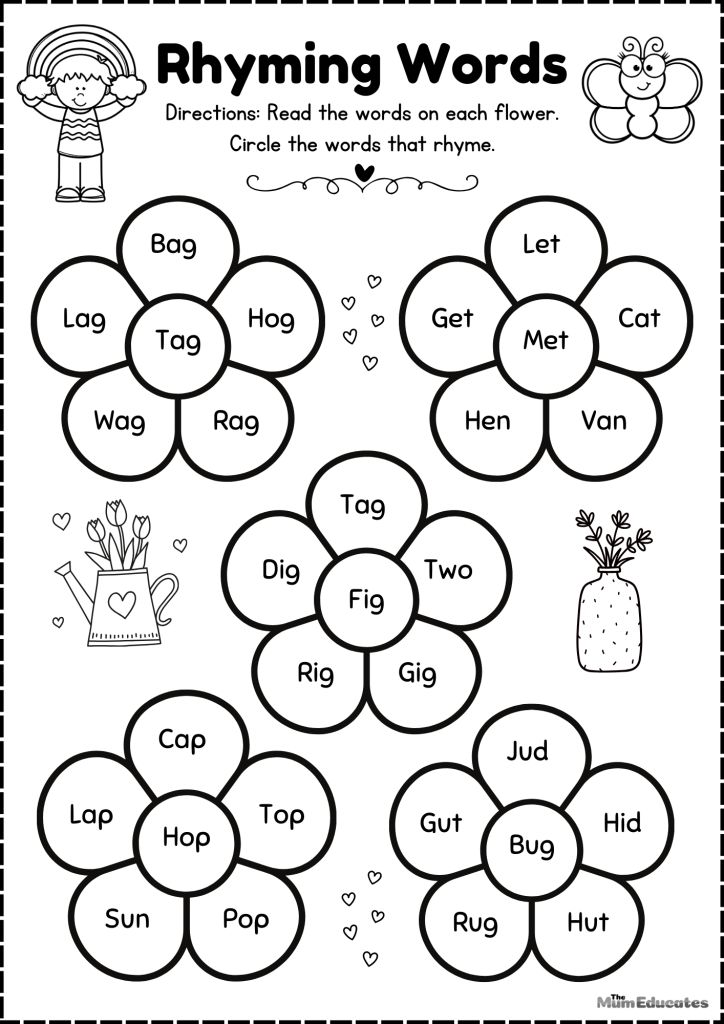


Each rhyming pair acts as an anchor, helping your audience follow the progression of your thoughts and emotions.
Enhancing Memorability and Impact
The repetition of sound in a shor rhyming pattern boosts memory retention, which is why advertising jingles and nursery rhymes rely on this technique so heavily.
When your lines end with familiar sound matches, listeners are more likely to recall your message long after they have finished reading or hearing it.
Expanding Your Rhyming Vocabulary
Building a robust mental thesaurus of shor rhyming words requires both study and active practice in different contexts.
Exposure to diverse texts, from classic poetry to modern lyrics, will train your ear to recognize subtle variations in rhyme quality.
Using Word Lists and Digital Tools
Many writers begin by consulting curated word lists or online generators to discover unexpected shor rhyming partners for common terms.
These resources can help you break through creative blocks by suggesting combinations you might not have considered on your own.
Experimenting with Consonance and Assonance
Consonance focuses on repeating consonant sounds at the end of words, while assonance emphasizes similar vowel sounds within a line.
By blending these techniques with strict shor rhyming, you can produce rich sonic textures that feel both precise and natural.
Common Challenges and Solutions
One frequent hurdle is overreliance on simple, monosyllabic pairs, which can make writing feel predictable or childish.
To counter this, challenge yourself to incorporate multisyllabic shor rhymes or experiment with slant rhymes that preserve flow without sacrificing complexity.
Avoiding Forced Rhymes
Forcing a word into a poem just because it rhymes can disrupt the clarity and emotional authenticity of your message.
Skilled writers prioritize meaning and rhythm, selecting shor rhyming options that enhance the narrative rather than distract from it.
As you refine your ear and expand your repertoire, the way you compose and communicate will grow more intuitive and expressive with every new line you create.
Related Articles
Garden Rhyming Words List Creative And SEO Friendly Title For Garden Lovers
Finding the perfect garden rhyming words list can transform a simple description of your backyard into a vivid sensory experience. Whether you are a poet, a...

Garden Anagram Words List: Ultimate SEO Guide
Discovering garden anagram words list options can transform the way you brainstorm names, labels, and creative concepts for your outdoor space. A garden...

Short Garden Rhymes Cute Little Poems in Bloom
Crafting a short poem on garden with rhyming words is a joyful way to capture the simple magic of nature in just a few lines. In this compact guide, we explore...

Master Cook Propane Gas Grill: Ultimate Outdoor Cooking Guide
For the serious home chef, the master cook propane gas grill represents the perfect fusion of precise temperature management and powerful flame delivery. This...

The Ultimate Hose Clamp Sizing Guide 2024: Perfect Fit Every Time
Selecting the correct hose clamp sizing guide is essential for maintaining secure, leak-free connections in countless mechanical and plumbing applications...

Hay Day Complete Decoration List Ultimate Guide To Decorating Your Farm
Welcome to the ultimate guide for the hay day all decorations list, your one stop resource for transforming your farm into a vibrant and engaging virtual...