Sheds Interior Ideas 50 Stunning Designs To Transform Your Space
Transforming the interior of your outdoor structure opens up a world of practical organization and personal retreat, turning an empty shell into a highly functional extension of your home. Whether you use it as a dedicated workspace, a cozy reading nook, or a storage sanctuary, the right design ensures every square foot feels intentional and comfortable. This guide to sheds interior ideas focuses on maximizing usability, style, and durability so your structure becomes a beloved room in disguise.
Before diving into color palettes and decor, it is essential to evaluate your specific needs and the existing conditions of the building. Factors such as available natural light, climate, and insulation requirements will heavily influence layout choices and material selection. Thoughtful planning at this stage prevents future headaches and helps you create a space that truly supports your daily routine.
Strategic Layout and Smart Storage Solutions
Efficient layout planning is the backbone of any successful interior, especially when space is at a premium. Start by defining a clear zone for each activity, whether that is a workbench area, a potting station, or a relaxation corner. Keeping pathways wide and logical helps maintain a sense of openness, even in a compact structure.

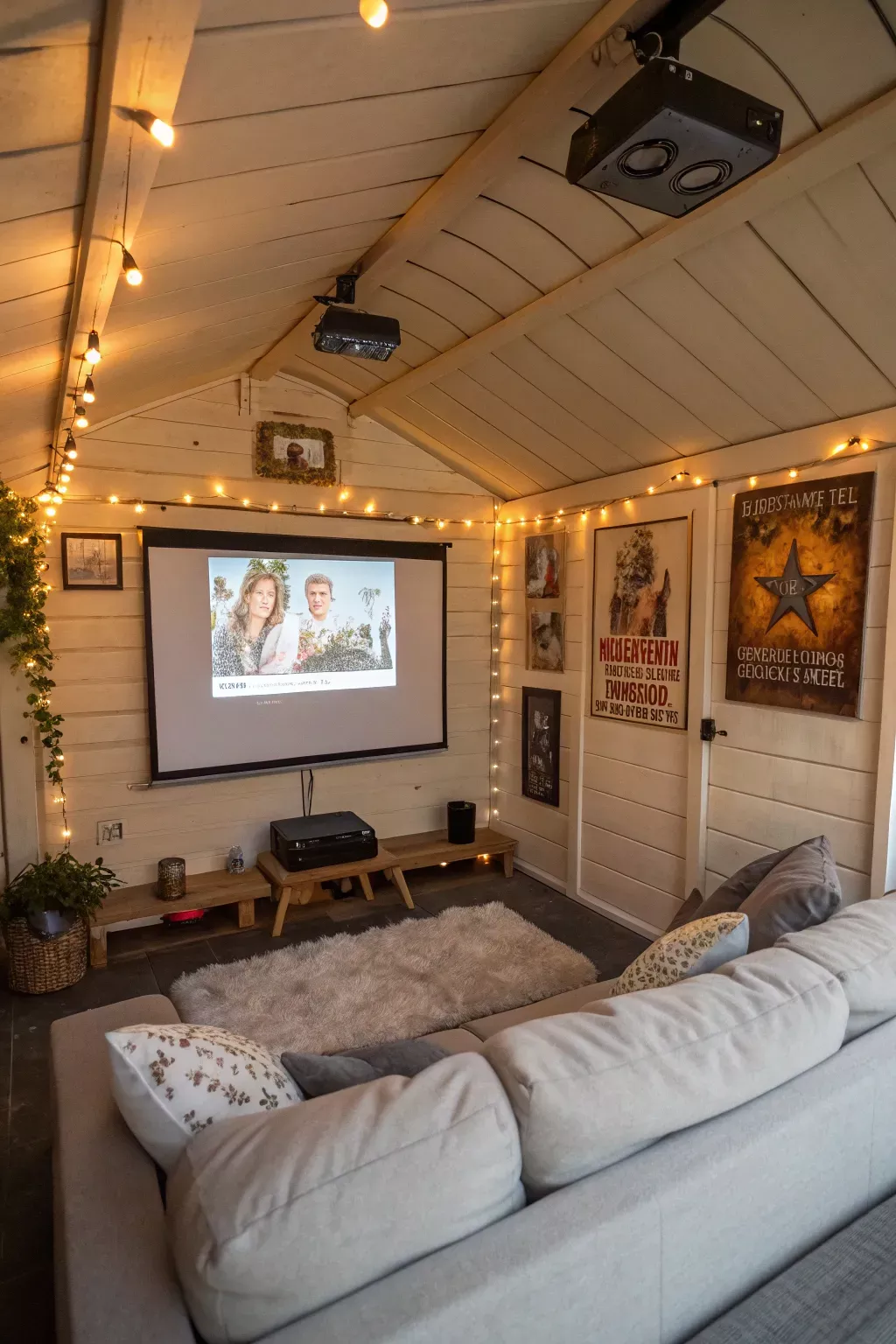

Good organization reduces clutter and makes tools, sports gear, or hobby supplies easy to find when you need them. Wall-mounted rails, pegboards, and modular shelving allow you to use vertical space effectively, keeping floors clear and the environment tidy. The right storage strategy turns a chaotic spot into a streamlined and inspiring environment.
Wall-Mounted Pegboard and Slatwall Systems
Installing a pegboard or slatwall system provides a flexible backdrop for organizing tools, gardening equipment, and everyday accessories. These systems allow you to move hooks and baskets as your needs change, so the layout can evolve over time. The visual openness of open shelving also makes the room feel larger than if everything were hidden in cabinets.


Labeled bins and clear containers add an extra layer of efficiency, ensuring that small parts do not get lost in deeper shelves. This approach is ideal for hobbyists and DIY enthusiasts who want quick access to a wide range of items without digging through stacks of boxes.
Multi-Functional Furniture and Built-In Benches
Multi-functional furniture, such as worktables with integrated shelving or fold-down desks, maximizes functionality without overwhelming the space. A sturdy workbench doubles as a craft station, repair hub, or prep area for gardening tasks, making it one of the most valuable pieces of equipment.
Built-in benches with storage underneath are another clever way to save floor space while providing ample seating. By combining seating and storage, these pieces help you keep the floor clear and maintain a clean, uncluttered look that enhances the overall flow of the room.


Design Ambiance and Comfort Enhancement
Once storage and layout are addressed, shifting attention to ambiance creates a welcoming and enjoyable environment. Lighting, color, and comfort elements transform a basic utility space into a room you will want to spend time in. Layered lighting, from task lamps to soft accent fixtures, ensures the space works well at any time of day.
Comfort is just as important as aesthetics, especially if the structure will serve as a home office or reading retreat. Ergonomic seating, soft textiles, and balanced temperature control help you stay focused and relaxed during long sessions. These touches make the interior feel as good as it looks.
Lighting Layering and Natural Light Optimization
A layered lighting plan combines overhead fixtures, task lamps, and accent lighting to create the right mood for different activities. LED strip lights under shelves or along baseboards add a modern glow while improving visibility for detailed work. Maximizing natural light with strategically placed mirrors or sheer curtains enhances the sense of space and energy.


Consider installing dimmers or using smart bulbs so you can easily adjust the brightness depending on the task at hand. Warm light in the evening and cooler tones during the day help regulate focus and comfort, making the environment more adaptable to your schedule.
Textiles, Color Schemes, and Personal Style
Adding textiles such as rugs, throw blankets, or cushion pads introduces warmth and reduces echo, which is especially useful in structures with metal or concrete floors. These elements also allow you to experiment with color and texture without committing to permanent changes.
Choosing a cohesive color palette brings harmony to the room, whether you prefer soft neutrals, bold accents, or nature-inspired tones. Painted accent walls, decorative storage bins, and artwork can reflect your personal style while turning the interior into a space that feels authentically yours.
Climate Control, Ventilation, and Maintenance
Addressing climate and ventilation early on protects both your belongings and your comfort. Proper insulation and vapor barriers help regulate temperature and moisture, reducing the risk of mold and structural damage. These elements are particularly important for year-round use.
Strategic placement of vents, windows, or an exhaust fan improves air circulation and keeps the interior feeling fresh. Taking these factors into account ensures that your space remains healthy and pleasant, regardless of the weather outside.
Insulation, Flooring, and Moisture Management
Adding insulation to walls and ceiling helps maintain a stable temperature and can reduce noise from the outside world. Materials such as foam board, mineral wool, or recycled denim provide effective thermal performance while fitting neatly into compact layouts.
Choosing the right flooring, whether it is durable laminate, polished concrete, or modular tiles, impacts both maintenance and comfort. Pairing this with an area rug or anti-fatigue mat creates a more inviting surface for standing work or relaxing sessions.
Ventilation Systems and Air Quality
Good ventilation is essential for preventing stale air and managing humidity, especially when the space is used for painting, woodworking, or storing equipment. Ridge vents, powered fans, or simple window kits can significantly improve air exchange without major renovation work.
Using an air purifier with a HEPA filter can capture dust, pollen, and other particles, keeping the environment cleaner and healthier. Regular maintenance, such as cleaning filters and checking seals, ensures these systems continue to perform at their best.
Personalization and Creative Touches
Infusing personality into your structure makes the space feel uniquely yours and encourages regular use. Displaying artwork, photographs, or collectibles adds visual interest and creates a sense of pride in the finished project. These details turn a purely functional room into a reflection of your interests and creativity.
Plants are another excellent way to introduce life and color while improving air quality. Selecting low-maintenance varieties ensures greenery without added stress, making it easy to maintain a vibrant atmosphere year round.
Gallery Walls, Art, and Inspiring Decor
Creating a gallery wall with prints, posters, or small canvases adds character and turns a blank surface into a focal point. Mixing frames, sizes, and mediums brings an eclectic charm that feels curated and intentional rather than cluttered.
Incorporating statement pieces, such as a striking lamp, vintage tool display, or bold sculpture, can anchor the room and express your style. These standout items add depth to the decor and invite closer inspection.
Greenery, Natural Elements, and Seasonal Accents
Houseplants and natural materials like wood, stone, or woven baskets introduce warmth and a connection to the outdoors. They soften the architecture and make the environment more inviting, especially in structures that lean toward industrial or minimalist design.
Changing small decor elements with the seasons, such as cushions, throws, or artwork, keeps the space feeling fresh and relevant. This approach allows you to refresh the look frequently without a major investment or overhaul.
By combining thoughtful organization, comfortable design, and personal details, your outdoor structure can become a versatile and inspiring space tailored to your lifestyle. Paying attention to lighting, storage, climate, and decor ensures the room remains practical, enjoyable, and visually engaging throughout the year. Exploring new layouts, refreshing accents, and testing comfort tweaks over time helps you discover how the space best supports your routines and creativity.
Related Articles

Modern Interior Garden: 10 Stunning Design Ideas to Transform Your Space
Imagine stepping into a home where the boundary between indoors and outdoors dissolves, greeted by a lush, breathing wall of greenery that instantly calms the...

Cool Ideas for Raised Garden Beds: 30 Stunning Designs to Transform Your Outdoor Space
Raised garden beds are a smart way to organize your outdoor space, improve soil quality, and make gardening more accessible. Many people discover this option...

Adopt Me Garden Ideas 50 Stunning Designs To Transform Your Outdoor Space
Creating an adopt me garden ideas is one of the most rewarding ways to express your personal style in the virtual world of Adopt Me. Whether you are aiming for...

Stunning Interior Paint Ideas for Bedrooms: Transform Your Space with Color
Choosing the right interior paint ideas for bedrooms can completely transform the way a space feels, turning a simple room into a personal sanctuary. The...

20 Stunning Painting Ideas for Garden Sheds to Transform Your Outdoor Space
Transforming the exterior of your garden shed opens up a world of curb appeal and personal expression for any outdoor space. Instead of letting the structure...

Great Home Ideas Garden: 10 Stunning Design Tips To Transform Your Outdoor Space
Transforming your outdoor area into a personal sanctuary starts with great home ideas garden inspiration that reflects your unique style and lifestyle. A well...