101 Reuse Project Ideas Creative Upcycling Inspirations
Reuse project ideas offer a practical path toward reducing waste while unlocking fresh creativity in everyday design work. Rather than treating leftover materials as clutter, you can transform them into purposeful resources that serve both functional and aesthetic roles. This mindset shift turns constraints into opportunities, encouraging thoughtful problem solving and long term resourcefulness. By exploring different ways to give discarded items a second life, you build skills that apply across personal projects, professional tasks, and community initiatives.
When you start searching for reuse project ideas, you quickly discover how broad and adaptable the concept can be. From upcycling household items to redesigning digital workflows, the goal is to minimize unnecessary consumption while maximizing value. Each project becomes a chance to experiment with structure, aesthetics, and usability in an intentional way. This introduction to reuse thinking sets the stage for more detailed exploration of specific applications and strategies.
Creative Applications in Design and Home Improvement
In the realm of design and home improvement, reuse project ideas help you create distinctive spaces that reflect resourcefulness and care. You can repurpose wooden crates into modular shelving, transform old textiles into upholstery, or convert glass containers into modular lighting elements. These approaches not only reduce material waste but also introduce unique character into interiors that mass produced items rarely match. By treating each object as a starting point rather than a final form, you cultivate a flexible and sustainable design vocabulary.


Such projects also encourage a deeper understanding of how materials age, perform, and interact with their surroundings. You learn to assess structural integrity, surface finishes, and compatibility between reused components and new ones. This knowledge supports higher quality outcomes and reduces the likelihood of early failure. As you document your reuse project ideas and results, you build a personalized reference library that accelerates future planning and decision making.
Furniture Revitalization Techniques
Furniture revitalization demonstrates how reuse project ideas can breathe new life into tired pieces while preserving their original craftsmanship. Techniques such as stripping old finishes, repairing joints, and applying non toxic sealants allow you to maintain the integrity of the materials. You might reupholster a chair with fabric salvaged from another outdated piece or convert a damaged door into a distinctive tabletop surface. These interventions highlight the value of patience and attention to detail in creating durable, story rich objects.


Beyond aesthetics, revitalized furniture often performs better than new alternatives because the materials have already acclimated to their environment. Wood that has settled and metal that has developed a patina can offer improved stability and usability. Sharing these reuse project ideas through photos, notes, or simple tutorials helps others see the potential in overlooked items and encourages broader adoption of sustainable practices.
Space Optimization Strategies
Another strong application of reuse project ideas lies in optimizing small or multifunctional spaces. By repurposing items like ladder shelves, vintage suitcases, or retired signage, you can design storage solutions that adapt to evolving needs. Modular systems built from reused components provide flexibility, allowing you to reconfigure layouts without investing in entirely new furniture. This approach is especially valuable in urban environments where space is limited and customization must remain practical.
These strategies also promote better organization habits, since each reused element is typically chosen with a specific role in mind. Clear zones for work, storage, and display emerge naturally when you thoughtfully integrate transformed objects into the environment. Observing how these reuse project ideas perform over time reveals insights into ergonomics, accessibility, and long term usability that are difficult to anticipate without hands on experimentation.


Community and Educational Initiatives
Beyond personal use, reuse project ideas play a powerful role in community and educational settings where collaboration and learning are central. Schools, maker spaces, and neighborhood groups can host workshops that teach participants how to assess, dismantle, and reconstruct discarded items. These activities build technical skills, encourage teamwork, and foster a sense of shared responsibility for local resources. When people see familiar objects turned into tools or art, they begin to view waste as a misallocated resource rather than an unavoidable byproduct of modern life.
Such initiatives also create opportunities for cross generational exchange, with experienced craftspeople guiding younger participants through hands on problem solving. Stories about how items were originally used add emotional weight and context, enriching the learning experience. As these reuse project ideas spread through communities, they strengthen social bonds and establish practical models for more circular local economies.
Educational Curriculum Integration
Integrating reuse project ideas into educational curricula helps students connect theoretical concepts in science, math, and art to tangible outcomes. Lessons on material properties, structural forces, and environmental impact become more memorable when learners work directly with recovered components. Instructors can design projects that require measurement, prototyping, and iterative testing, all while emphasizing the importance of resource efficiency. This approach supports deeper engagement and encourages students to question default consumption patterns.


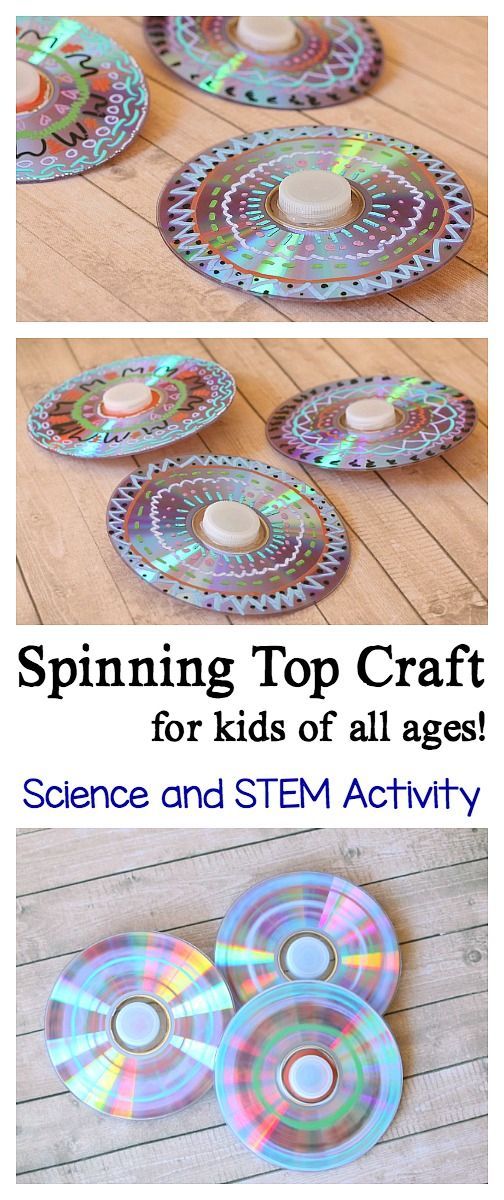


Moreover, documenting these reuse project ideas through reports, presentations, or digital portfolios reinforces communication and critical thinking skills. Students learn to justify design decisions, evaluate trade offs, and reflect on the broader implications of their choices. By framing reuse as a core principle rather than a one off activity, educators help learners build habits of mind that support both innovation and responsibility.
Civic Engagement and Local Impact
Civic oriented reuse project ideas often focus on improving public spaces, supporting vulnerable populations, or strengthening neighborhood resilience. Community members might collaborate on converting abandoned furniture into fixtures for local shelters, organizing repair cafes, or creating public art from collected debris. These efforts demonstrate how shared action can transform neglected materials into symbols of collective care and creativity. Partnerships with local businesses, nonprofits, and municipal agencies can provide tools, space, and logistical support, making projects more feasible and visible.
Over time, such initiatives can shift cultural norms around ownership, value, and waste, encouraging people to prioritize maintenance, sharing, and thoughtful acquisition. Documenting the journey of each reuse project idea, from sourcing to installation, helps communities track their impact and celebrate progress. This visible change reinforces commitment and attracts new participants who recognize the practical and social benefits of working with what is already available.
As you continue to explore reuse project ideas, remember that the most meaningful outcomes often arise from combining thoughtful planning with hands on experimentation. Each project offers a chance to refine your skills, deepen your understanding of materials, and contribute to a more sustainable creative culture. By staying curious, sharing your experiences, and remaining open to unexpected possibilities, you keep the momentum going and inspire others to see potential where others see only the end of a story.
Related Articles

Creative Old Clothes Reuse Ideas For School Project Upcycling crafts
Turning old clothes into a school project is an easy way to blend creativity with real world sustainability. Instead of tossing out garments that no longer...
Creative Reuse Ideas for Old Clothes Sustainability Upcycling DIY Projects
Finding new reuse ideas for old clothes is one of the simplest ways to reduce waste and refresh your style without spending money. Instead of pushing worn...

Creative Booklet Ideas Project Inspirations
Booklet ideas project concepts are transforming how individuals and teams approach planning, documentation, and creative storytelling. Whether you are...

Old Tyres Creative Ideas Upcycling Inspiration For Your Next Project
Old tyres are often seen as nothing more than waste, yet they hold incredible potential for creative reuse and sustainable design. Instead of ending up in...

Creative Ideas to Reuse Old Tyres for Sustainable Upcycling
Instead of letting old tyres pile up in a corner or end up in a landfill, you can turn them into practical and stylish solutions for everyday life. With a...

Creative Car Tire Reuse Ideas EcoFriendly Upcycling Projects
Car tire reuse represents a practical and eco conscious approach to managing vehicle maintenance and waste reduction. Every time a driver replaces worn tires...