Recycled Decoration Ideas 10 Eco Friendly Upcycle Hacks For A Sustainable Home
Recycled decoration ideas offer a stylish way to refresh your home while reducing waste and giving discarded items a fresh purpose. This approach blends creativity with eco consciousness, allowing you to design a space that feels personal, unique, and kinder to the planet. By seeing potential in objects others might overlook, you transform everyday materials into beautiful accents that tell a story. The result is a living environment that is both visually engaging and aligned with sustainable values.
Getting started with this style of decorating is simpler than it may seem, because you already have resources around the house that can be reimagined in surprising ways. Old jars, fabric scraps, furniture pieces, and paper can all serve as the foundation for inventive, low cost projects. With a little planning and experimentation, these small actions add up to a home that looks curated and thoughtfully designed. Embracing this mindset opens the door to ongoing creative projects that evolve as your taste and needs change.
Creative Projects for Everyday Household Items
Turning everyday household items into decor pieces is one of the most accessible forms of recycled decoration, because it requires only basic materials and imagination. Glass containers can become chic vases, pencil holders, or hanging lanterns with a fresh coat of paint and some simple embellishments. Cardboard boxes can be transformed into stylish storage solutions or sculptural accents with the addition of decorative paper or fabric. These small shifts in perspective turn mundane objects into elements that reflect your personal aesthetic.


The beauty of working with household items lies in the low barrier to entry and the ability to customize each project to match your existing color palette and style. You can experiment with techniques like decoupage, stenciling, or simple rewiring for candle holders without investing in expensive tools. Each finished piece adds a layer of character that mass produced decor often lacks, creating a space that feels genuinely yours. As you complete more of these projects, you build a collection of trusted methods that make creativity a regular, enjoyable part of daily life.
Upcycling Glass Jars and Containers
Upcycling glass jars is a classic entry point for recycled decoration, offering a versatile canvas for paint, fabric, twine, and decorative fillers. A cluster of jars in varying sizes can function as a cohesive set of planters, utensil holders, or candle votives, bringing consistency to a shelf or tabletop. Adding patterned paper, etching, or a simple ribbon around the rim can shift the look from casual to refined, depending on your chosen theme. This flexibility makes jars a practical base for seasonal updates without requiring a major time or financial investment.


Beyond their visual appeal, these transformed containers support more sustainable habits by extending the life of items that might otherwise be discarded. You reduce the need for additional storage purchases while keeping glass out of the waste stream. Labeling each jar with hand written tags adds a personal touch that enhances both function and charm. Over time, your collection can evolve into a signature element of your interior design, instantly recognizable and uniquely yours.
Repurposing Cardboard and Paper
Cardboard and paper are surprisingly adaptable when it comes to recycled decoration, especially for creating shapes, textures, and layered displays. By cutting, folding, and stacking cardboard pieces, you can build geometric sculptures, wall mounted organizers, or dimensional picture frames. Coating these structures with glue and paper scraps, such as old magazines or maps, adds vibrant color and intricate patterns. The lightweight nature of these projects means you can refresh a room in an afternoon without heavy lifting or complex installation.
Working with paper also encourages mindful consumption, because you often use materials that are already available rather than buying new supplies. Old newspapers can be rolled into tight coils for sculptural vases, while discarded gift wrap can become striking decal accents on plain boxes. As you experiment with different folding, cutting, and layering methods, you discover an entire world of texture and depth that turns overlooked paper goods into statement pieces.


Furniture and Textiles with Second Life
Furniture and textiles hold significant potential for recycled decoration, since they define the overall mood and functionality of a space. An old chair can be refreshed with a new cushion cover made from leftover fabric, while a worn table top can be revitalized with a mosaic of broken ceramics or reclaimed wood. These changes not only extend the life of existing pieces but also introduce subtle yet impactful design details. Choosing to restore rather than replace aligns your home with a more conscious approach to consumption.
Textiles are especially valuable in this context, because they add warmth, color, and tactility without requiring permanent alterations. Scarves, blankets, and pillow covers can be combined in layers to create rich visual contrast while maintaining a cohesive palette. By sourcing these items from secondhand stores, your own closet, or fabric scraps, you keep materials in use and reduce the demand for new production. This strategy transforms practical needs into opportunities for creative expression.
Reviving Chairs and Small Furniture
Reviving a chair or small piece of furniture is one of the most rewarding recycled decoration projects, because the impact is immediately visible and highly personal. Sanding down a wooden frame and applying a new stain or paint can completely change its presence in a room, turning a tired look into a focal point. Adding a custom cushion or seat cover allows you to experiment with bolder patterns while still maintaining overall harmony in the space. The process also offers a satisfying hands on experience that connects you more deeply to your belongings.


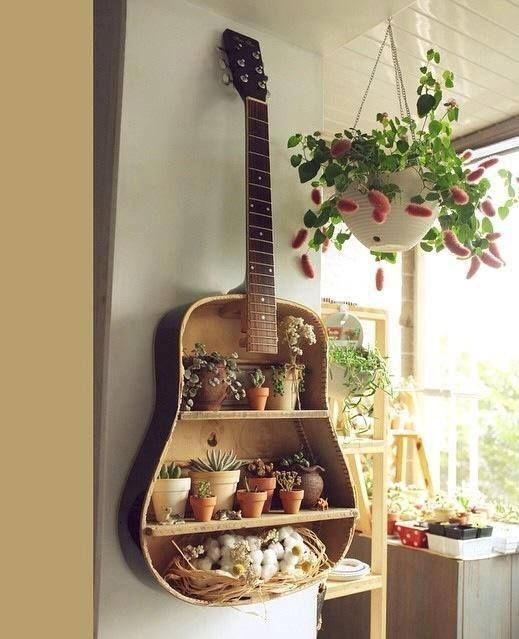


These restored pieces often become conversation starters, reflecting both your design sensibility and your commitment to sustainability. Friends and visitors may notice the care you put into preserving materials rather than discarding them. Over time, the collection of revived furniture can tell a story of resourcefulness and evolving style. This approach encourages you to see each piece not as disposable, but as a long term collaborator in your home design journey.
Layering Textiles and Soft Furnishings
Layering textiles is a simple yet powerful way to incorporate recycled decoration into any room, because it relies on what you already own. Combining throws, cushions, and rugs with different textures and patterns creates depth and comfort without overwhelming the space. Choosing items in complementary colors or repeating a single motif ties the arrangement together, even when each piece has a unique history. The result is a cozy, inviting atmosphere that feels curated rather than cluttered.
When you source these textiles from secondhand shops, family collections, or leftover materials from previous projects, you continue the cycle of reuse. A quilt made by a relative can become a wall hanging, while old shirts can be sewn into decorative pillow covers. Each layer carries a subtle sense of memory and intention, making the room distinctly yours. This practice not only elevates the aesthetic but also reinforces a lifestyle that values meaning over novelty.
Personal Expression and Long Term Impact
Recycled decoration allows your personality to shine through in ways that feel authentic and unforced. Because each project is born from materials with a history, your home becomes a gallery of experiences, interests, and small victories. You have the freedom to mix styles, colors, and textures in a way that reflects the real you, rather than following rigid trends. This sense of ownership and creative control makes your space a true sanctuary, where every object has purpose and presence.
The long term impact of choosing recycled decoration extends beyond your individual rooms, contributing to a broader cultural shift toward more mindful living. By prioritizing reuse, you reduce the demand for new products and the environmental consequences that come with them. Your choices inspire conversations with visitors and encourage others to consider how they can incorporate similar practices. This quiet, consistent influence can ripple outward, strengthening a community that values resourcefulness and thoughtful design.
Design Cohesion Through Repeated Elements
Achieving design cohesion with recycled decoration is possible by repeating certain materials, colors, or techniques throughout your space. For example, using the same type of jar across different rooms creates a subtle visual thread that ties the aesthetic together. Choosing a signature color palette for painted projects or fabric covers ensures that each new addition feels intentional rather than random. These small decisions help maintain balance while still allowing for experimentation and fun.
Over time, these repeated elements become part of your signature style, making your home instantly recognizable as yours. You may find yourself gravitating toward certain shapes, textures, or finishing techniques that naturally echo one another. This evolving identity gives your space depth and continuity, even as you refresh decor seasonally. The process feels organic, rooted in real experiences rather than temporary trends.
Encouraging Mindful Consumption Habits
Working with recycled decoration projects regularly can shift your overall approach to consumption, encouraging you to pause before purchasing something new. You become more attuned to what you already have, how it could be repurposed, and where you might find overlooked materials in your community. This mindset naturally reduces impulse buying and fosters gratitude for the resources you already possess. As a result, your home feels more grounded, thoughtful, and aligned with your values.
Sharing your projects with friends, family, or online communities further reinforces these habits, creating a positive feedback loop of creativity and responsibility. When others see the care and originality you bring to recycled decoration, they may feel inspired to try similar approaches. This collective shift, even if it starts small, contributes to a more sustainable and imaginative way of living. Your ongoing exploration keeps the journey fresh and deeply rewarding, room by room.
Experimenting with recycled decoration ideas allows you to build a home that feels ever evolving, deeply personal, and aligned with your principles. Each project becomes a reminder that creativity does not require perfection or expensive tools, only curiosity and a willingness to look again at what is already around you. By continuing to explore, adapt, and share these practices, you shape a space that nurtures you and others, long into the future.
Related Articles

Creative Ways to Use Recycled Materials Upcycle Ideas For A Sustainable Home
Turning everyday waste into standout design is one of the most satisfying ways to rethink modern living, because creative ways to use recycled materials bridge...

Creative Crafts from Recycled Materials Eco Friendly DIY Projects Upcycle Ideas
Turning everyday discards into handmade beauty is a simple yet powerful way to rethink creativity and sustainability in the modern home. This approach to arts...
Creative Recycled Art Ideas 50 Eco Friendly DIY Projects Upcycle Inspiration
Creative recycled art ideas turn everyday discards into striking pieces that express personality and care for the planet. Instead of seeing packaging, broken...

Simple Red Birthday Decoration Ideas At Home
Planning a vibrant celebration at home becomes truly special when you choose a bold red theme for birthday decoration ideas at home red colour. This rich and...

50 Recycled Cardboard Art Ideas Upcycle Creative Crafts
Recycled cardboard art ideas offer a creative way to transform everyday packaging into striking pieces for your home or workspace, blending sustainability with...

Simple Prayer Decoration Ideas Stylish Spiritual Home Accents
Creating a peaceful and inspiring atmosphere at home often starts with simple prayer decoration ideas that reflect your personal faith and style. These...