Upcycled Bike Wheel Ideas Creative DIY Projects
Every discarded bicycle wheel holds a hidden story of motion, and the recycled bike wheel transforms that narrative into a powerful statement for today's eco-conscious rider. Instead of ending up in a landfill, these components are reimagined, reducing waste while celebrating the engineering beauty of cycling. Choosing a setup like this is a practical decision that aligns performance with environmental responsibility, offering a durable and unique foundation for any project.
The journey from worn-out transportation to a centerpiece of sustainable design showcases the versatility of the modern recycled bike wheel. Enthusiasts and mechanics alike recognize the value in giving second life to high-strength alloys and precision bearings that still have plenty of life left. This approach not only cuts down on manufacturing demand but also provides an affordable entry point for builders looking to create custom frames or repair existing rides without compromising quality.
Environmental and Economic Benefits
The shift toward a recycled bike wheel represents a significant step forward in reducing the carbon footprint associated with cycling. Manufacturing new rims and spokes requires substantial energy and raw materials, whereas refurbishing existing components conserves resources and minimizes industrial pollution. Riders who prioritize sustainability find that this choice directly supports a circular economy where materials are kept in use for as long as possible.


Economically, opting for a reclaimed option delivers immediate savings that do not come at the cost of reliability. High-quality hubs and rims that are resurfaced and stress-tested perform identically to new parts, allowing enthusiasts to allocate their budget toward other critical upgrades. This financial flexibility encourages more people to take up cycling, knowing that maintenance and restoration are accessible and cost-effective.
Material Integrity and Safety
Concerns about structural integrity are easily addressed by understanding the rigorous standards these components must meet before being released back into the market. Professional refurbishers inspect for cracks, fatigue, and excessive wear, ensuring that every recycled bike wheel meets strict safety protocols for high-load applications. This meticulous attention to detail means that the final product is not only green but also dependable for daily use or competitive riding.


Advanced techniques such as truing, spoke tensioning, and hub repacking restore the wheel to a like-new condition, eliminating wobble and improving overall ride quality. Riders can trust that the materials used in the original construction, often aerospace-grade aluminum or chrome steel, remain resilient through multiple lifecycles. The result is a product that combines verified safety with the peace of mind that comes from choosing a responsible option.
Customization and Creative Projects
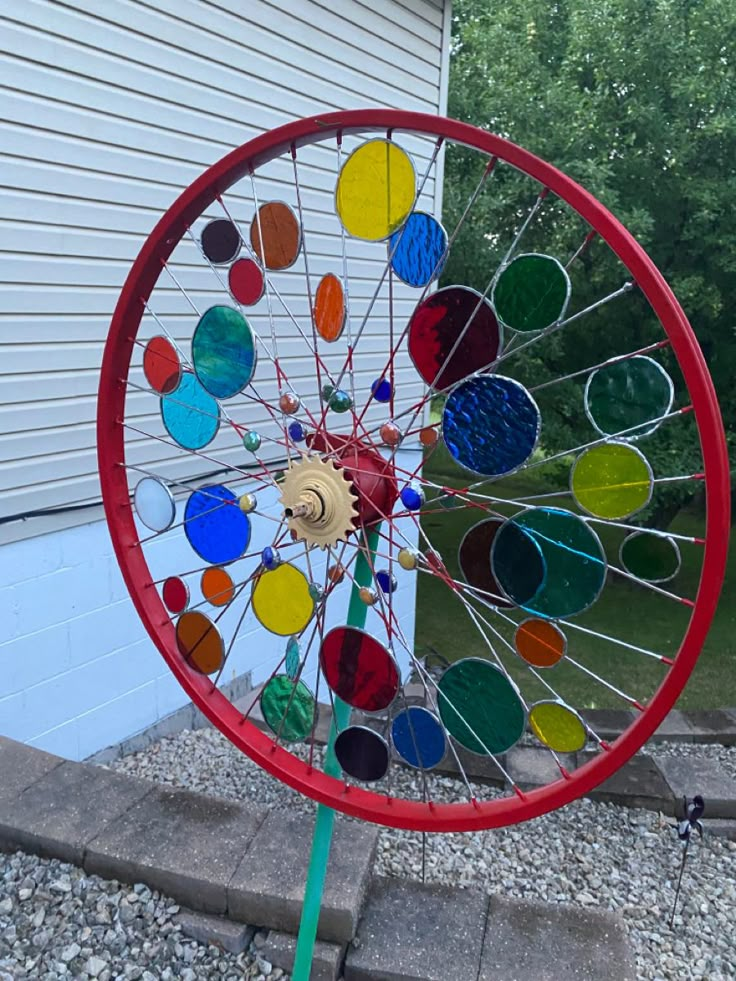
Beyond basic transportation, the recycled bike wheel serves as a canvas for creativity, inspiring artists and builders to craft bespoke machines that stand out on the street. From neon-accented rims to hand-painted spokes, the aesthetic possibilities are virtually endless for those looking to personalize their ride. This blend of function and artistry turns a practical component into a rolling expression of individual style.
DIY mechanics also appreciate the modular nature of these wheels, which can be easily adapted to different frame sizes or riding disciplines. Whether building a lightweight road rig or a sturdy urban cruiser, the flexibility to mix and match parts ensures a perfect fit for the rider's needs. Such adaptability makes the reclaimed wheel an essential element in the toolkit of any serious cyclist.


Performance and Riding Experience
Performance enthusiasts will find that a well-maintained recycled bike wheel offers handling characteristics that rival the latest models on the shelf. The rigidity of a properly built wheel translates to efficient power transfer, meaning less energy is wasted with each pedal stroke. This responsiveness is particularly noticeable during climbs, sprints, and technical descents where precision is critical.
Furthermore, the familiar ride quality of alloy rims provides excellent braking performance in all weather conditions. Unlike some exotic composite materials, these components offer consistent modulation and control, inspiring confidence in both urban and off-road environments. Riders benefit from a setup that feels proven and stable, backed by decades of real-world testing.
Compatibility with Modern Drivetrains
Modern recycled bike wheels are engineered to accommodate a wide range of cassette standards, from traditional freewheels to high-speed 12-speed systems. This forward-thinking design ensures that riders can upgrade their gears without needing to replace the entire wheel assembly. Such compatibility future-proofs the investment, allowing cyclists to adopt the latest technology while staying sustainable.




Disc brake compatibility is another key advantage, as these wheels are drilled and tensioned to handle the immense stopping power of modern hydraulic systems. This integration with advanced braking technology enhances safety and control, particularly in demanding terrain or wet conditions. The result is a wheel that performs as well in the mountains as it does on the city streets.
Long-Term Durability and Maintenance
A well-crafted recycled bike wheel is built to last, often outliving multiple generations of drivetrains due to the robust nature of its core components. Routine maintenance, such as checking spoke tension and cleaning bearings, keeps the wheel true and responsive for years. This longevity reduces the frequency of replacements, further lowering the environmental impact of cycling over time.
Regular inspections and timely repairs ensure that small issues do not escalate into major failures, preserving the integrity of the ride. Riders who maintain their wheels find that the performance remains consistent, delivering a smooth and efficient journey regardless of distance or load. The emphasis on durability makes this choice appealing to commuters, touring cyclists, and competitive athletes alike.
Choosing a recycled bike wheel opens up a world where performance, creativity, and ecological mindfulness intersect seamlessly. It invites riders to rethink their relationship with equipment, seeing every spin as a step toward a more sustainable future. By embracing these components, cyclists of all levels contribute to a healthier planet while enjoying a high-quality, personalized riding experience.
Related Articles

Creative Upcycled Art Projects Sustainable Craft Ideas From Recycled Materials
Art projects made from recycled materials transform everyday discards into striking statements of creativity and responsibility. This movement turns what was...

Creative Crafts from Recycled Materials Eco Friendly DIY Projects Upcycle Ideas
Turning everyday discards into handmade beauty is a simple yet powerful way to rethink creativity and sustainability in the modern home. This approach to arts...
10 Creative Recycled Art and Craft Ideas for EcoFriendly DIY Projects
Recycled art and craft ideas offer a creative way to breathe new life into everyday items that might otherwise end up in a landfill. This approach to making...
Easy DIY Projects with Recycled Materials Creative Upcycling Ideas
Starting easy projects with recycled materials is a practical way to transform everyday waste into beautiful, functional objects while protecting the planet...
Fun Recycled Art Ideas for Kids Creative Eco Projects
Recycled art ideas kids can transform everyday throwaways into colorful treasures while learning to care for the planet. This creative journey turns simple...

Creative Recycled Jewelry Projects Ideas Upcycle Trends
Recycled jewelry projects transform forgotten metal and stones into wearable art that tells a story while protecting the planet. These creative endeavors...