20 Innovative Playground Ideas for School Outdoor Learning Spaces
Designing a playground for a school is about more than just placing a few pieces of equipment on a patch of grass; it is about crafting a vibrant ecosystem where children learn, grow, and thrive through play. A well-considered school playground acts as an extension of the classroom, transforming downtime into dynamic opportunities for physical activity, social interaction, and creative exploration. When you invest time in thoughtful playground ideas for school, you are investing in the holistic development of every student. This guide explores practical strategies and inspiring concepts to help you create safe, inclusive, and engaging spaces that resonate with the school community.
Beyond the basic safety standards, modern playground design focuses on fostering environments that encourage movement, collaboration, and problem-solving. The goal is to move away from static, one-dimensional structures and toward landscapes rich with possibility. By incorporating diverse textures, levels, and interactive elements, educators and planners can transform ordinary spaces into extraordinary hubs of learning and joy. Here are several innovative playground ideas for school that prioritize both fun and developmental benefits.
Integrating Active and Imaginative Play Zones
Creating distinct zones within the playground ensures that every child can find an activity that suits their personality and energy level. Separating high-energy physical areas from quieter, imaginative spaces helps manage noise levels and allows students to choose how they wish to engage. This zoning strategy is a fundamental component of modern playground ideas for school, promoting a balanced and harmonious play experience for the entire student body.


Dynamic Climbing and Movement Structures
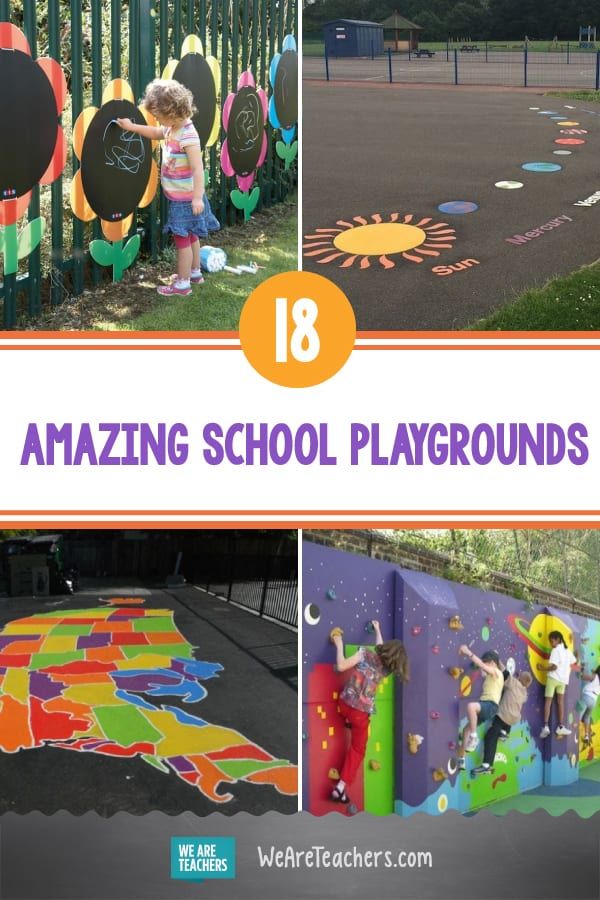
Physical development is paramount, and climbing structures are essential for building strength, coordination, and spatial awareness. Consider incorporating climbing walls, net climbers, or cargo nets that challenge students to navigate vertical spaces. These elements not only provide an excellent cardiovascular workout but also help children overcome fears and build confidence as they test their limits in a controlled environment.
Another excellent option is to install twisting slides, activity panels, and interactive spinners that encourage cross-body coordination and motor skill refinement. By including a variety of movement-based apparatus, you ensure that the playground caters to children who crave constant motion and high-energy play. These features naturally promote friendly competition and turn-taking, teaching valuable lessons in patience and sportsmanship.


Creative Role-Play and Social Stations
Imaginative play is crucial for developing language skills, empathy, and narrative thinking. Dedicated role-play zones allow children to step into different personas, fostering social-emotional growth alongside creativity. Playground ideas for school should always include spaces where students can engage in cooperative storytelling and shared dramatic scenarios.
Installing playhouses, pretend shops, or themed panels (such as a pirate ship or a castle) provides the backdrop for collaborative games. These stations encourage children to communicate, negotiate rules, and solve problems together, building vital life skills. Providing loose parts like play food, costumes, or building blocks further enhances these areas, ensuring that every visit feels fresh and new.
Enhancing Learning Through Nature and Sensory Elements
Integrating natural materials and sensory-rich environments into the playground design creates a calming yet stimulating atmosphere. Nature-based play spaces connect children to the outdoors, promoting curiosity about the natural world and supporting mental well-being. These elements complement active play areas and offer a more tranquil retreat for students seeking quieter activities.


Incorporating Natural Play Features
Instead of relying solely on plastic and metal structures, consider adding logs for climbing, stone seating areas, or planting low-maintenance gardens that students can tend to. These organic elements introduce irregular textures and shapes that challenge children differently than traditional equipment. A mud kitchen or a digging pit can provide hours of sensory exploration, allowing kids to experiment with cause and effect in a messy, hands-on way.
Additionally, incorporating water play features, such as small pumping stations or misters, can be incredibly refreshing, particularly in warmer months. These safe water systems teach concepts of flow and volume while encouraging cooperative play as children work together to move water through channels. Such additions are among the most effective playground ideas for school when the goal is to stimulate multiple senses simultaneously.
Outdoor Musical and Artistic Installations
Art and music have a unique ability to bring energy and expression to a schoolyard. Installing outdoor percussion instruments, such as chimes, drums, or xylophones, allows students to create soundscapes collaboratively. These instruments are often accessible to children of all abilities, ensuring that every student can participate in the creative process without needing formal training.


Designated art walls or chalkboard surfaces provide a canvas for spontaneous creativity, letting students draw, write messages, or solve math problems in the open air. Rotating these displays based on class projects or seasonal themes keeps the space dynamic and relevant. By blending art and music into the playground, you foster an environment where learning feels continuous and enjoyable.
Fostering Inclusivity and Accessible Design
True innovation in school playgrounds is defined by how well they accommodate every child, regardless of their physical ability or background. An inclusive playground ensures that students in wheelchairs, those with sensory sensitivities, and neurodiverse learners can all participate equally. Prioritizing accessibility is not just a matter of compliance; it is a commitment to equity and community.
Universal Access Pathways and Surfacing
Pathways leading to and throughout the playground must be firm, stable, and slip-resistant, allowing easy navigation for walkers, crutches, and wheelchairs. Smooth transitions between different play zones ensure that children using mobility devices can explore the entire area without encountering barriers. The surface material is equally critical; opting for poured-in-place rubber or engineered wood fiber provides the necessary cushioning and accessibility.
Wide ramps and transfer platforms enable seamless movement between ground level and elevated structures. By designing these features thoughtfully, you ensure that the thrill of climbing or sliding is available to as many students as possible. These considerations are central to modern playground ideas for school, reflecting a deep respect for diversity.
Calm and Sensory-Friendly Spaces
For students who may feel overwhelmed by crowds or noise, dedicated quiet zones are essential. These spaces can be created using low hedges, shade sails, or even simple canopies that provide a visual and auditory buffer. Placing sensory-friendly equipment, such as gentle swings or tactile panels, in these areas gives children a safe retreat to regulate their emotions.
Providing various seating options, from traditional benches to rocking logs, allows students to choose where they feel most comfortable. By balancing active and quiet zones, you create a holistic environment that respects different needs and promotes a sense of belonging for every member of the school.
As schools continue to evolve, the playground remains a cornerstone of student experience, offering lessons that extend far beyond the classroom walls. By thoughtfully blending physical challenges, imaginative play, natural elements, and inclusive design, educators can cultivate spaces that inspire joy and growth in every child. Embarking on this planning journey ensures that the playground will serve as a cherished landmark for generations to come.
Related Articles

Engaging Outdoor Classroom Ideas for Middle School Students Learning Nature
Transforming a school courtyard or nearby park into an outdoor classroom for middle school students can turn an ordinary lesson into a memorable discovery...

Creative Forest School Activity Ideas KS1 Outdoor Learning Adventures
Forest school activity ideas ks1 provide a vibrant way to bring young learners into the natural world while meeting early years and key stage one objectives...

25+ Fun Outdoor Playground Ideas For Preschool To Boost Learning And Physical Play
Creating an outdoor playground for preschoolers is about more than just filling a backyard or park space with bright colors. A well designed outdoor play area...

10 Creative Rubber Mulch Playground Ideas for Safe and Vibrant Outdoor Spaces
Rubber mulch playground ideas offer a smart and stylish way to transform outdoor spaces for children. This versatile material combines vibrant color options...

20 Innovative Hose Holder Ideas for Organized Outdoor Spaces
Finding the perfect hose holder ideas can transform a messy garage or cramped storage room into a space that feels calm and orderly. A dedicated spot for your...

Creative Classroom Decoration Ideas Elementary Bright Learning Spaces
Creating a welcoming and inspiring classroom is one of the most impactful decisions an elementary teacher makes at the start of the year. Thoughtful classroom...