Fun and Safe Playground Ideas for Elementary School Kids
Designing an elementary school playground is about more than just installing a few pieces of equipment; it is about shaping a vibrant outdoor classroom where children can grow through movement and play. A well planned space becomes the stage for daily adventures, turning ordinary recess into a powerful extension of the school day. Thoughtful playground ideas for elementary school should balance safety, inclusivity, and imagination to ensure every student feels welcome and excited to explore. By focusing on these elements, educators and planners can create environments that support physical health, emotional well being, and creative discovery.
When you think about playground ideas for elementary school, the goal is to design a landscape that invites curiosity while fostering structured and unstructured activities. Children need opportunities to run, climb, balance, and collaborate, all within a setting that feels both challenging and achievable. The right mix of components can turn a dull patch of asphalt into a hub of energy where students eagerly anticipate outdoor time. This transformation supports not only physical development but also social skills, problem solving, and resilience as they navigate the space.
Active Play Zones
Active play zones are the heart of any elementary school playground, providing large open areas where students can engage in high energy games and sports. Clear markings for basketball, four square, or running tracks help organize these spaces and make them accessible to all children. School administrators often look for playground ideas for elementary school that maximize movement while minimizing congestion, ensuring that every student has room to play safely. These zones encourage cardiovascular fitness, coordination, and teamwork during short breaks between lessons.
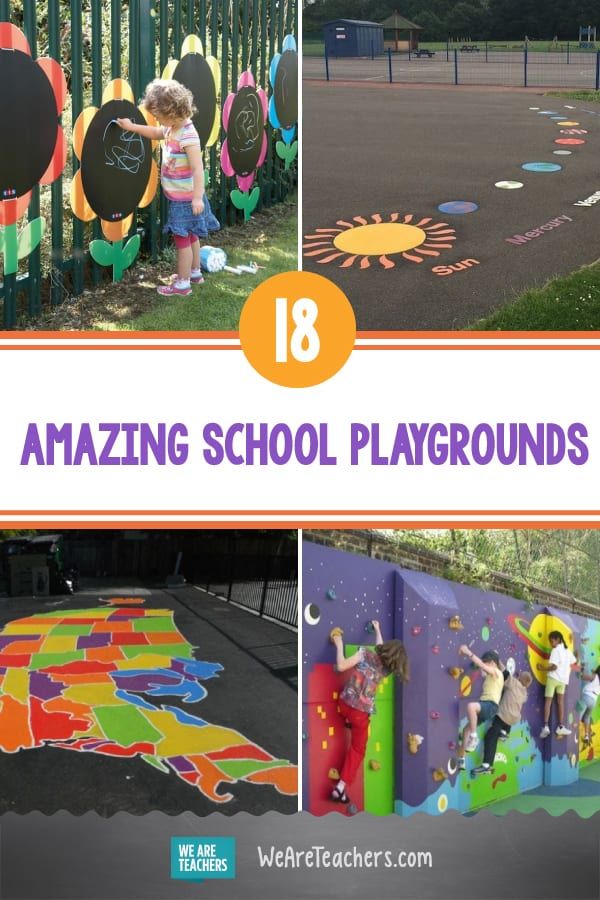


Sports Courts
Installing durable sports courts is one of the most practical playground ideas for elementary school because they offer structured play without requiring constant adult direction. Painted lines for net sports like volleyball or small sided soccer courts give students a framework for organized games. Teachers appreciate that these surfaces quickly become hubs of cooperative play, teaching children how to resolve conflicts, take turns, and follow simple rules. The repetitive nature of drills and matches also builds discipline and confidence over time.
Running Tracks and Obstacle Courses
A simple running track around the perimeter of the playground provides a low cost way to promote endurance and healthy habits among students. Teachers can incorporate timed laps, relay races, or themed days to keep activities fresh and exciting for different age groups. Adding an obstacle course with low hurdles, balance beams, and crawling tunnels introduces elements of agility and spatial awareness. These features work well as playground ideas for elementary school because they can be adjusted in difficulty to suit younger and older children alike.


Creative Movement Areas
Designating spaces for dance, drama, or imaginative role play ensures that playground ideas for elementary school cater to a wide range of interests. Open air stages, whether permanent or temporary, invite students to perform, tell stories, or simply enjoy music during free time. Including loose materials like scarves, beanbags, or ribbons encourages spontaneous choreography and cooperative storytelling. Such areas help quieter children find their voice while still benefiting from physical activity and social interaction.
Inclusive and Cooperative Features
An inclusive playground ensures that students of all abilities can participate side by side, turning break times into opportunities for genuine connection. Accessible pathways, varied seating, and equipment designed for multiple skill levels send a clear message that every child belongs. Thoughtful playground ideas for elementary school prioritize sensory, cognitive, and physical access, so no student feels left on the sidelines. When children see peers using the same features, stereotypes fade and empathy grows naturally through shared experience.
Sensory Rich Installations
Sensory panels with different textures, sounds, and colors stimulate curiosity and support neurological development in young learners. These elements are among the most engaging playground ideas for elementary school because they invite exploration without requiring complex instructions. Students can investigate spinning gears, chime bars, or tactile walls at their own pace, promoting calm focused play. Teachers often observe improved attention in the classroom after breaks spent using these thoughtfully designed features.


Cooperative Games Equipment
Cooperative games equipment, such as group spinners, rope challenges, or synchronized motion panels, encourages students to work together rather than compete. These setups naturally spark conversation, turn taking, and shared problem solving as children figure out how to use the apparatus in unison. For educators, this kind of play aligns with classroom lessons on collaboration and communication. Including cooperative elements helps reinforce the idea that success often depends on supporting one another.
Themed Play Structures
Themed play structures transform ordinary playgrounds into immersive environments, whether they are inspired by nature, space, or local history. A pirate ship, a castle, or a nature exploration station gives younger students a narrative anchor that makes outdoor time feel like an expedition. These designs easily incorporate climbing walls, slides, and lookout points, which are classic playground ideas for elementary school that remain popular across generations. Themed features also provide prompts for creative writing, storytelling, and project based learning back inside the classroom.
Thoughtful planning of playground ideas for elementary school can turn a simple outdoor area into a dynamic learning environment where students thrive physically, socially, and emotionally. By combining active zones, inclusive features, sensory elements, and themed structures, schools send a strong message that play is an essential part of education. This investment pays off in more engaged students, smoother recess periods, and a stronger sense of community within the school. As you explore different options, remember that the best playground grows with its students, offering new ways to learn, laugh, and discover together.


Related Articles

Easy Lunch Ideas for Elementary School Kids Quick Healthy Snacks
Packing an easy lunch ideas for elementary school child can feel like a daily puzzle, but it does not have to be stressful or repetitive. The goal is to find...

Simple Back to School Craft Ideas for Elementary Kids Easy Projects
Simple back to school craft ideas for elementary students help kids ease into the classroom routine with hands on creativity. These quick and joyful projects...

Elementary School Holiday Craft Ideas Fun Easy Seasonal Projects For Kids
Planning elementary school holiday craft ideas can turn a quiet break into a joyful creative adventure for both kids and adults. These hands-on projects...
Fun and Healthy Lunch Box Ideas for Elementary School Kids
Packing a lunch box for elementary school can feel like a daily puzzle, but it is also a chance to set the tone for a healthy and happy day. When you search...

10 Fun and Easy Kids School Garden Ideas for Little Green Thumbs
Creating a kids school garden turns ordinary outdoor spaces into vibrant classrooms where children connect with nature and discover where food really comes...

easy 30 ideas for school lunches for picky eaters healthy lunch recipes for kids
Planning school lunches for picky eaters can feel overwhelming, but creative ideas for easy 30 ideas for school lunches for picky eaters turn stress into...