Transform Your Hallway with Stunning Dark Color Painting Ideas
Choosing a painting hallway dark color can instantly transform a narrow passage into a dramatic, sophisticated space. Far from feeling oppressive, a deep, richly toned palette can add warmth, intimacy, and architectural interest to a home entryway.
Many people assume hallways are neutral dead zones, but this mindset overlooks the opportunity to make a statement. A well-executed dark scheme turns a functional walkway into a curated gallery, setting the tone for the entire home before you even enter a main room.
Evaluating the Space and Light
Before committing, you must honestly evaluate your hallway conditions. Natural light, existing trim, and the width of the corridor all interact uniquely with a painting hallway dark color, influencing whether the result feels cozy or cave-like.


Take note of how sunlight enters, since a dark hue will absorb it rather than reflect it. Observing the room at different times of day helps you anticipate how the tone will shift and whether supplemental lighting will be necessary to maintain balance.
Assessing Natural Light Sources
North-facing hallways often receive cooler, indirect light, which harmonizes beautifully with gray-toned dark colors. These spaces tend to handle deep hues without becoming overly heavy, allowing the color to appear refined rather than dull.


In contrast, south-facing corridors benefit from strong, warm sunlight that can make dark paint glow. When you choose a painting hallway dark color here, consider slightly cooler undertones to prevent the space from feeling too intense during peak sun hours.
Considering Hallway Dimensions
Width is a critical factor, because a narrow passage already creates visual compression. A very dark shade can advance visually, making the gap feel tighter if you do not compensate with strategic design choices.
On the other hand, a long, wide hall can absorb a deep tone without shrinking the area. Pairing the color with reflective surfaces and vertical accents helps maintain a sense of openness while preserving the intended drama.


Selecting the Perfect Dark Shade
With so many options, it is easy to become overwhelmed when deciding on the ideal painting hallway dark color. The secret lies in matching the undertone to your personal style and the fixed elements in the space, such as flooring and cabinetry.
Test large swatches on multiple walls and compare them in morning, afternoon, and evening light. This process reveals how the pigment behaves, ensuring you commit to a shade that remains harmonious rather than jarring as conditions change.
Neutral Toned Darks for Versatility
Charcoal, deep greys, and muted navy offer a flexible foundation that pairs easily with metallic or wood accents. They provide structure without overwhelming, making them an excellent starting point for those hesitant about bold statements.


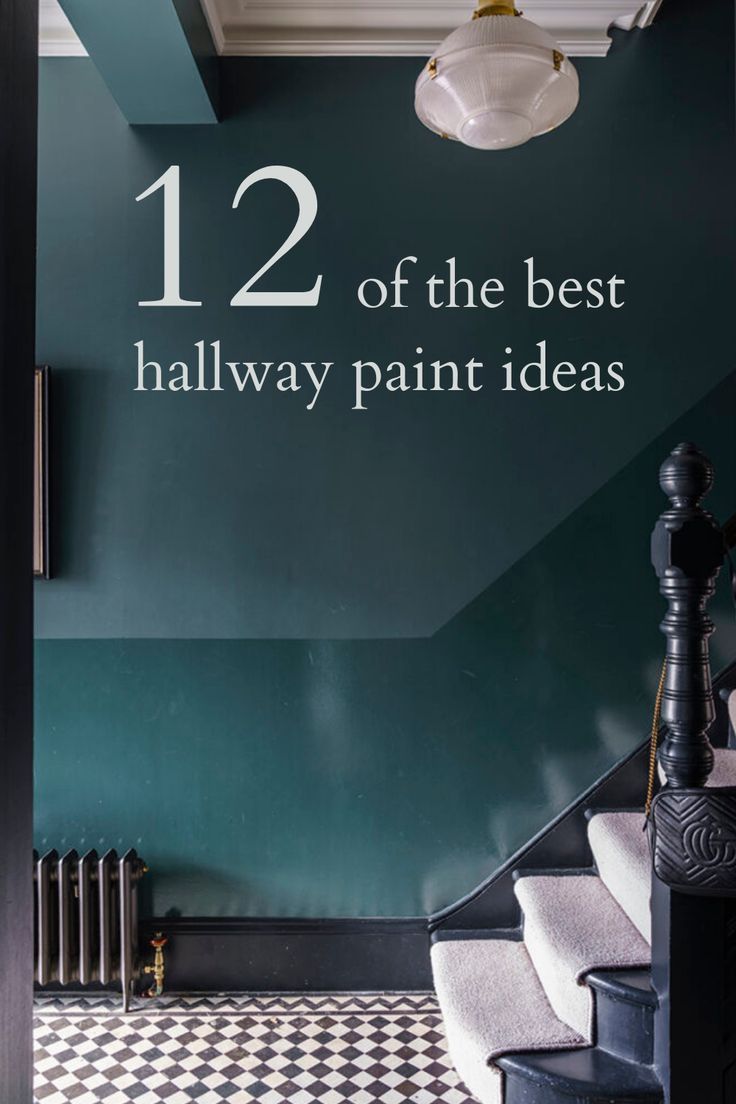

These tones work well with contemporary or transitional furniture, allowing art pieces and lighting fixtures to stand out. A neutral dark acts as a sophisticated backdrop that highlights texture and material rather than competing with it.
Bold Toned Darks for Maximum Impact
Deep emerald, espresso brown, and saturated black bring richness and depth, creating a sense of enclosure that feels cocoon-like. When used thoughtfully, they turn a small hallway into a striking architectural feature.
To prevent these colors from closing in the space, balance them with metallic hardware, light-colored floor runners, or a single feature wall. This approach ensures the painting hallway dark color enhances rather than dominates the home’s flow.
Design Strategies to Balance Dark Tones
Successfully implementing a painting hallway dark color relies on thoughtful contrast and layered lighting. Without intentional design, even the most beautiful shade can feel closed in or unwelcoming.
Incorporate elements that reflect light, such as glossy finishes, mirrors, and metallic fixtures, to keep the corridor visually buoyant. Strategic illumination ensures the space remains functional and inviting after sunset.
Lighting Techniques for Depth
Layered lighting is essential, combining ambient, task, and accent sources. Wall sconces placed at regular intervals prevent shadows and highlight artwork or architectural details without washing out the pigment.
Consider a statement pendant at the end of the hall to draw the eye forward. The glow against the dark backdrop creates a focal point that feels intentional and curated rather than accidental.
Decor and Accessory Pairing
Choose light or reflective flooring materials, such as pale wood or stone, to anchor the dark walls and prevent the hallway from feeling top-heavy. Rugs and runners can add warmth while breaking up the expanse of color.
Frame the space with brass or bronze handles and trim, which complement deep tones beautifully. A few carefully selected pieces of art with lighter palettes create contrast and keep the atmosphere from becoming too somber.
Long-Term Maintenance and Trends
Understanding how a painting hallway dark color ages helps you make a confident, future-proof choice. Matte finishes hide imperfections but can absorb stains, whereas satin or eggshell surfaces resist marks and clean up more easily.
Currently, homeowners gravitate toward moody, cinematic halls that feel both private and elevated. This enduring aesthetic ensures your investment remains stylish, even as other trends come and go.
As you plan your transformation, remember that a hallway is more than a transitional zone; it is an opportunity to set the mood for the entire home. Experiment with samples, trust your instincts about how light interacts with the pigment, and let the depth of your chosen painting hallway dark color reflect your unique taste and confidence.
Related Articles

Stunning Painting Stairs Landing Before After Ideas Transform Your Hallway
Transforming your stairs and landing is one of the most impactful updates you can make to your home, instantly boosting both style and safety. Before you grab...

Stunning Interior Paint Ideas for Bedrooms: Transform Your Space with Color
Choosing the right interior paint ideas for bedrooms can completely transform the way a space feels, turning a simple room into a personal sanctuary. The...
20+ Dark Hallway Painting Ideas to Transform Your Hallway in 2024
Dark hallway painting ideas can transform a simple passage into a dramatic, sophisticated feature in your home. A hallway is often seen as a transitional...

Transform Your Small Space with Stunning Alleyway Garden Design Ideas
An alleyway garden design transforms forgotten urban gaps into inviting sanctuaries that bring nature right to your doorstep. These narrow spaces, often...

Transform Your Hillside Backyard into a Stunning Oasis Ideas and Tips
Dealing with a hillside backyard can feel overwhelming, but with the right approach this challenging slope becomes your most valuable outdoor asset. A sloped...

Small Hallway Door Color Ideas 10 Stunning Designs To Refresh Your Entryway
Choosing the right small hallway door color ideas can completely transform the feel of your entryway, making a tiny space feel welcoming instead of closed off...