25+ Outdoor Playground Ideas for Schools: Safe, Fun & Engaging Designs
Designing an outdoor playground for a school is about more than just installing a few pieces of equipment; it is about crafting a dynamic learning environment where children can grow, explore, and thrive under the open sky. An outdoor playground ideas for schools should balance safety, inclusivity, and creativity to ensure that every student, regardless of ability or age, feels welcome and energized. When schools invest in thoughtful outdoor spaces, they promote physical health, sharpen cognitive skills, and nurture social interaction throughout the entire school day. This guide walks through innovative playground concepts that transform ordinary schoolyards into vibrant hubs of discovery and joy.
Beyond the traditional swings and slides, modern schools are looking for outdoor playground ideas for schools that integrate natural elements, multisensory panels, and zones that support both active running games and quiet reflective corners. The goal is to create versatile settings that serve curricular goals while also offering students a mental break from structured classroom learning. A well planned layout encourages curiosity, builds resilience through managed risk, and helps children develop crucial motor and emotional skills. By approaching the playground as an extension of the classroom, educators can turn everyday recess into a powerful tool for holistic development.
Incorporating Active and Imaginative Play Zones
Active play zones form the energetic heart of any school playground, giving students the physical outlet they need during short breaks and longer recess periods. These areas should include durable equipment such as climbing structures, rope bridges, and open running spaces that promote cardiovascular health and coordination. Thoughtful zoning ensures that high energy activities remain separate from quieter zones, reducing conflicts and allowing children to choose how they wish to engage on any given day.


Dynamic Climbing and Movement Structures
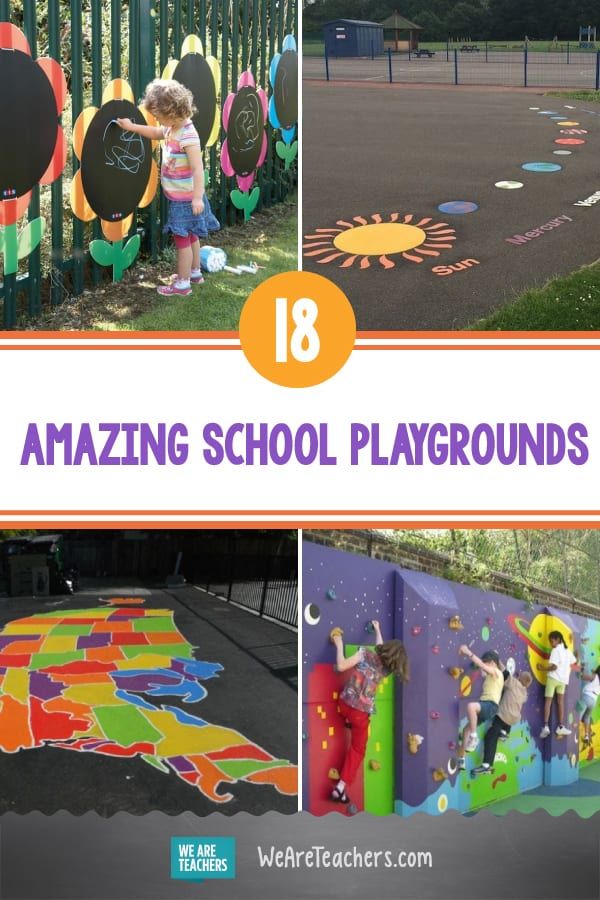
Climbing walls, net climbers, and modular play systems challenge students to problem solve as they navigate routes, plan hand placements, and build upper body strength. Schools can select structures with multiple difficulty levels so that younger children have achievable challenges while older students test their limits on more complex configurations. Including varied climbing angles and cross over elements encourages bilateral coordination and spatial awareness, turning each session into both a physical and cognitive workout.
Interactive sports markings and activity panels can complement climbing structures by introducing games that rely on teamwork, strategy, and friendly competition. Marked courts for basketball, four square, or hopscotch transform simple blacktop into a versatile arena where classes rotate in and out during physical education time. By combining permanent structures with flexible painted games, schools maximize the utility of their outdoor playground ideas for schools without requiring constant new purchases.


Creative Role Play and Storytelling Areas
Imaginative play zones nurture language development, empathy, and narrative thinking as children step into different roles and co create stories together. Playhouses, themed panels, and character cutouts invite kids to act out scenarios, practice negotiation, and build vocabulary through spontaneous dialogue. These spaces are especially valuable for younger students who may not yet feel comfortable with highly competitive games but still crave social engagement.
Adding simple props such as costumes, puppets, and toy tools enhances these areas and encourages cooperative play. For example, a pretend market stand with play money, a doctor kit, or a mini construction site with safe tools can turn a quiet corner into a bustling hub of social learning. By designing these zones with clear boundaries and comfortable seating, schools ensure that teachers can supervise easily while children explore their creativity.
Integrating Nature, Sensory Elements, and Inclusive Design
Nature enriched playgrounds connect children to the outdoors in a meaningful way, using real plants, varied textures, and natural colors to create a calming yet stimulating atmosphere. Studies show that exposure to natural settings can reduce stress and improve focus, making it easier for students to return to class ready to learn. By weaving green elements like low maintenance shrubs, shaded trees, and sensory gardens into the playground layout, schools provide a living laboratory for science lessons and environmental education.


Sensory Play Panels and Musical Features
Sensory panels with gears, mirrors, textured surfaces, and pouring stations engage multiple senses at once, supporting cognitive growth and fine motor skills. These elements are especially beneficial for students with autism or sensory processing differences, as they offer controlled, exploratory experiences in a structured format. Musical features such as chimes, drums, and xylophones allow children to experiment with sound patterns, rhythm, and cooperation, turning the playground into a joyful outdoor music studio.
Accessible Play for Every Student
True inclusivity means designing outdoor playground ideas for schools so that students using wheelchairs, walkers, or other mobility aids can participate fully in group play. Surfacing materials like poured in place rubber or engineered wood fiber provide stability and impact absorption while remaining accessible. Ramps, transfer platforms, and adaptive swings integrated into the main playground layout ensure that play is shared, not segregated, fostering genuine friendships across ability levels.
Shaded seating areas for teachers and caregivers, along with clear sight lines, help maintain a secure environment where risk taking is encouraged but monitored appropriately. By combining accessibility features with engaging designs, schools send a powerful message that every child deserves a place to belong and to play. Thoughtful planning of pathways, signage, and equipment layout reduces congestion during peak times, allowing more students to enjoy the space at once.



Safety, Maintenance, and Curriculum Connections
Safety is the foundation of every successful playground, and high quality surfacing, well anchored equipment, and age appropriate layouts are non negotiable priorities. Regular inspections, clear rules for equipment use, and visible signage help prevent avoidable injuries while still allowing students the freedom to explore and challenge themselves. Schools should work with certified playground installers to ensure that designs meet or exceed local regulations and industry standards.
Low Maintenance Landscaping and Durable Materials
Choosing durable materials such as powder coated steel, high density polyethylene, and weather resistant composite lumber reduces long term upkeep costs and ensures that the playground looks inviting year round. Selecting easy care ground covers and drought tolerant plants minimizes the need for constant watering or replacement, freeing staff time for educational activities instead of maintenance. Thoughtful drainage design and smooth surfaces also reduce puddling and mud, keeping the space cleaner between cleaning cycles.
Curriculum Linked Learning Opportunities
Outdoor playground ideas for schools can extend far beyond recess by incorporating elements that support math, science, language, and art lessons. Measuring tracks for timed runs, weather stations, garden beds, and outdoor art walls turn the playground into an interactive learning lab where theory meets hands on experience. Teachers can rotate activity cards or lesson plans that prompt students to observe, measure, and document their discoveries during free play.
Collaborating with students in the design phase fosters ownership and ensures that the space reflects their interests and needs. Student led committees can research options, create models, and present proposals, turning project planning into a real world application of communication and critical thinking skills. When children see their ideas reflected in the finished playground, they are more likely to care for the space and use it in creative, constructive ways.
Thoughtfully designed outdoor spaces give schools a daily opportunity to nurture healthy bodies, curious minds, and compassionate communities through play. By blending active zones, sensory experiences, inclusive features, and curriculum links, educators can transform any schoolyard into a place where learning feels like an adventure. As playgrounds evolve to meet the needs of diverse learners, they continue to prove that the simplest act of playing outside can have a lasting, positive impact on a child’s school journey.
Related Articles
Playground Ideas For Preschoolers Fun And Safe Outdoor Activities
Creating engaging playground ideas for preschoolers means designing spaces where tiny bodies and curious minds can safely explore the world around them. A well...

Durable Wooden Playground Equipment For Sale Safe Outdoor Designs
Finding the right wooden playground equipment for sale can transform any backyard into a cherished space for active play and family memories. Parents today...

10 Creative Rubber Mulch Playground Ideas for Safe and Vibrant Outdoor Spaces
Rubber mulch playground ideas offer a smart and stylish way to transform outdoor spaces for children. This versatile material combines vibrant color options...

Free Garden Ideas Stunning Designs For Your Outdoor Oasis
Creating a beautiful outdoor space does not require a large budget, and many people are discovering that free garden ideas can transform their yards into...

Stunning Lamp Post Garden Designs Ideas For Outdoor Spaces
Transforming your outdoor space begins with thoughtful illumination, and thoughtful lamp post garden designs create both safety and style along your pathways...

Small Covered Outdoor Seating Area Ideas Compact Patio Designs
Creating a small covered outdoor seating area can transform a tiny balcony, narrow patio, or overlooked corner into your favorite retreat at home. Whether you...