Expert Onion Growing Tips for a Bountiful Harvest
Onion growing tips transform a simple kitchen staple into a rewarding garden journey that brings delicious flavor to your table. These versatile vegetables adapt well to many climates, and a few key practices help you avoid common pitfalls. Growing onions from seed, sets, or young plants can all succeed when you match the method to your season and space.
Onions respond strongly to day length, soil preparation, and consistent moisture, so planning ahead boosts your success rate. By understanding their basic needs and timing each step, you can enjoy a steady harvest of firm, sweet bulbs. The following onion growing tips focus on practical, proven methods that fit both small balconies and larger yards.
Site Selection and Soil Preparation
Onions thrive in a sunny location that receives at least six hours of direct light daily, which helps the bulbs develop strong flavor and uniform size. Choose a spot with well drained soil and good air circulation to reduce disease pressure and encourage steady growth. Avoid low areas where cold air settles or water pools after rain, because wet feet can cause bulbs to rot.


Start your onion growing tips with a thorough soil preparation step that removes weeds and loosens the top six to eight inches. Onions grow best in slightly acidic to neutral soil with a pH between 6.0 and 7.0, so a simple soil test can guide any needed adjustments. Mix in generous amounts of compost or well rotted manure to improve fertility, moisture retention, and drainage.
Raised Beds and Container Options
If your garden soil is heavy clay or poorly drained, raised beds offer an effective solution that aligns perfectly with onion growing tips. Build beds at least six inches high and use a mix of topsoil, compost, and coarse sand to create a light, friable medium. Onions in raised beds warm up faster in spring, which encourages quicker germination and more even development.


Growing onions in containers is another practical approach, especially for beginners or those with limited space. Select a pot with drainage holes, use quality potting mix, and plant at the correct spacing to prevent overcrowding. Container culture makes it easier to control watering, move plants for optimal sun, and protect them from soil borne pests.
Crop Rotation and Companion Planting
Following crop rotation principles is one of the most valuable onion growing tips for long term garden health. Avoid planting onions or related crops in the same spot year after year to reduce disease risk and nutrient depletion. Good rotation sequences might place onions after legumes or brassicas, which often leave behind a cleaner, more balanced soil.
Companion planting can further support your onion growing tips by pairing onions with herbs and vegetables that benefit one another. Carrots, lettuce, and tomatoes often grow well alongside onions, while sage and marigolds may help deter certain pests. Experiment with combinations that suit your space, and observe which pairings give you the best results.


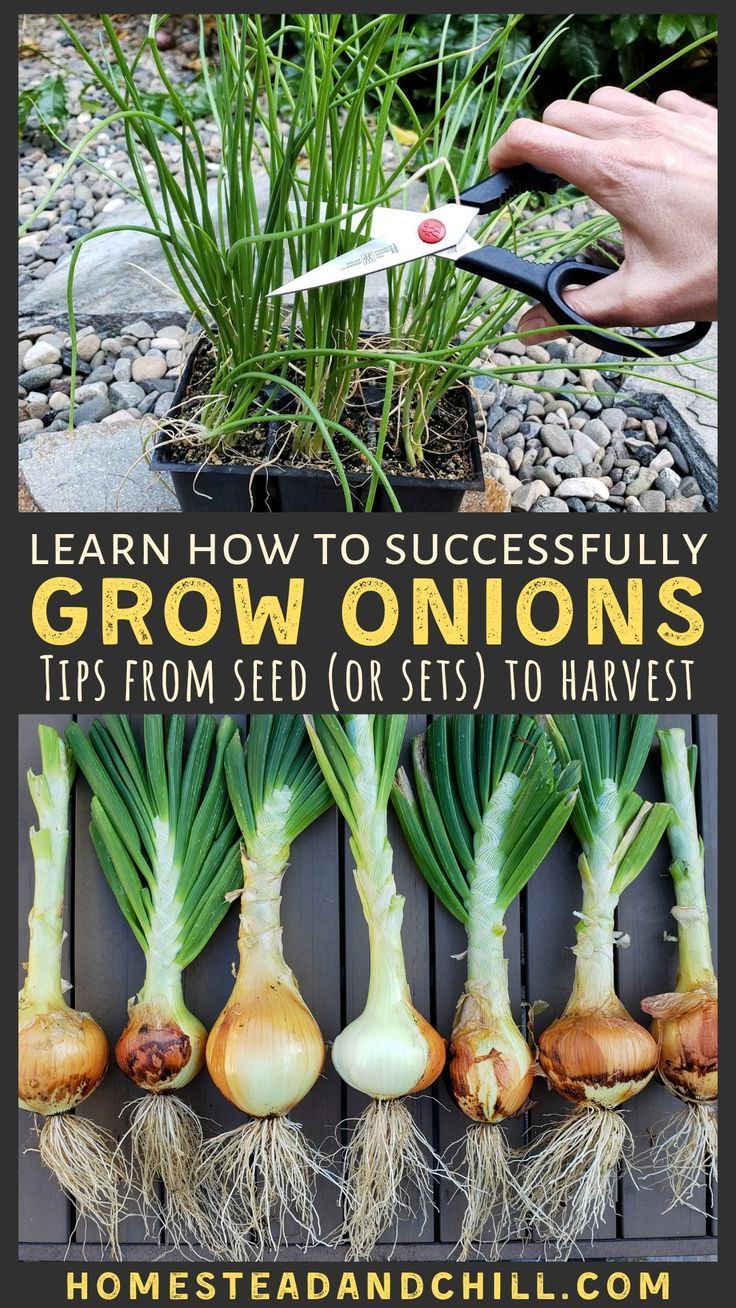

Choosing Varieties and Planting Techniques
Selecting the right onion varieties for your day length region is a critical step among onion growing tips that directly affects bulb formation. Short day onions perform best in southern areas with mild winters, while long day varieties suit cooler northern climates. Intermediate day types offer a middle ground, so matching your latitude to the correct category increases your harvest potential.
You can grow onions from seed started indoors, from small sets planted in early spring, or from young plants grown by nurseries. Seeds offer the widest variety selection but require more patience, while sets give you a fast start for many types. Evaluate your schedule, space, and climate when deciding which starting method fits your onion growing tips.
Planting Depth, Spacing, and Mulching
When you set out onion sets or seedlings, plant them so that the bottom of the bulb sits just below the soil surface, with the tip of the bulb barely exposed. Planting too deeply can encourage rot, while leaving the bulb too exposed may cause it to dry out and stop growing. Firm the soil gently around each bulb to remove air pockets and promote good contact with the soil.


Spacing is another key element of onion growing tips, because crowded plants compete for light, water, and nutrients. Allow roughly four to six inches between individual bulbs, and adjust closer for smaller varieties or wider for large exhibition types. Consistent spacing makes weeding easier and ensures each onion has enough room to form a well shaped bulb.
Season Extension and Succession Planting
Using row covers or cold frames is one of the practical onion growing tips for extending the season in cooler climates. These protections can shield young plants from frost, wind, and pests while trapping warmth to accelerate early growth. Remove covers gradually as temperatures rise to prevent overheating and promote sturdy stems.
Succession planting keeps your harvest ongoing by sowing or setting new onions every few weeks during the optimal planting window. This approach spreads out your supply and reduces the risk of losing an entire crop to a late season setback. Plan your plant dates carefully so that each batch matures before extreme summer heat or early frosts arrive.
Watering, Feeding, and Ongoing Care
Consistent moisture is essential during bulb formation, so apply onion growing tips that emphasize regular, deep watering rather than frequent light sprinkles. Aim to keep the soil evenly moist but not waterlogged, because fluctuating conditions can lead to split bulbs or poor flavor. Drip irrigation or soaker hoses deliver water directly to the roots while keeping the foliage drier, which helps prevent disease.
Onions are light feeders, but they still benefit from a balanced fertilizer applied at planting and a light side dressing as bulbs enlarge. Use a fertilizer with equal parts nitrogen, phosphorus, and potassium early on, and shift to a lower nitrogen blend as bulbs approach maturity. Avoid overfeeding with nitrogen, since excessive leafy growth can make the plants more prone to pests and storage problems.
Weed Control and Thinning
Weeds compete aggressively with onions for nutrients and moisture, so maintaining clean beds is a cornerstone of effective onion growing tips. Use shallow cultivation or hand pulling to remove weeds before they become large, taking care not to damage the shallow roots. A layer of straw or shredded leaves can suppress weeds while conserving moisture and keeping soil temperatures stable.
Thinning is often necessary when you start onions from seed, because crowded seedlings produce small, misshapen bulbs. Once the greens reach a few inches tall, remove weaker plants to leave the strongest individuals at the recommended spacing. Thinning also improves airflow, which reduces humidity around the crowns and lowers disease risk.
Pest and Disease Management
Common pests such as onion thrips and onion maggots can damage your crop, so monitoring and early intervention are key onion growing tips. Use floating row covers to block pests during the vulnerable seedling stage, and inspect plants regularly for signs of damage. When needed, choose targeted treatments that minimize harm to beneficial insects and preserve soil health.
Diseases like downy mildew and white rot thrive in wet, humid conditions, which makes prevention a priority in your onion growing tips. Rotate crops, practice good sanitation, and avoid overhead watering whenever possible. If you notice yellowing, wilting, or unusual spots, act quickly by removing affected plants and adjusting your care routine to protect the rest of the crop.
Applying these onion growing tips consistently throughout the season gives you a strong foundation for healthy plants and a satisfying harvest. Observe how your garden responds, adjust techniques year by year, and enjoy the process of learning what works best in your unique space. With patience and attention, you can look forward to homegrown onions that enhance your meals and connect you more deeply to the rhythm of the growing year.
Related Articles

Best Garlic Planting Tips for a Bountiful Harvest Expert Guide
Planting garlic successfully starts with understanding the fundamentals of soil, climate, and timing. This guide to best garlic planting tips helps both...

Optimal Onion Growing Conditions for a Bountiful Harvest
Onion ideal growing conditions begin with a clear understanding of the plant's natural preferences and how to mimic them in your garden. This adaptable bulb...

Monty Don Pruning Fruit Trees: Expert Tips For A Bountiful Harvest
Monty Don pruning fruit trees is a subject that resonates deeply with both amateur gardeners and seasoned horticulturists, offering a blend of practical wisdom...

Expert Tips on Planting Garlic Bulbs for a Bountiful Harvest
Planting garlic bulbs in the right way sets the stage for a flavorful, aromatic harvest that can elevate your cooking throughout the year. This guide offers...

The Ultimate Guide to Growing Morels: Proven Tips for a Bountiful Harvest
Morels are among the most prized and enigmatic treats found in the woods, combining a delicate, nutty flavor with a uniquely honeycombed cap that looks like...

How to Cure Garden Onions: Expert Tips for a Bountiful Harvest
Garden onions are a rewarding crop, but knowing how to cure garden onions properly is the secret to unlocking their full storage potential. This simple process...