The Ultimate Onion Growing Map For Perfect Harvests
An onion growing map serves as an essential guide for gardeners who want to succeed with this versatile crop in different climates. Whether you are planning a small backyard plot or a larger market garden, understanding regional suitability helps you save time and effort. This visual tool translates complex variables such as day length, temperature, and soil into practical, easy to follow recommendations.
Because onions respond strongly to where they are grown, relying on generic advice often leads to poor bulb formation or bolting. A focused map highlights the specific varieties that thrive in your area and indicates the best planting windows. By aligning your schedule with these insights, you set the stage for healthy growth and a more predictable harvest from early spring through late summer.
Understanding Climate Zones and Day Length
Onion performance depends heavily on climate zones and day length, which determine when the plant transitions from leaf growth to bulb formation. Cool short day varieties perform well in southern regions, while long day types are essential for northern growers. An onion growing map typically overlays these characteristics to help you choose the most suitable cultivars for your location.

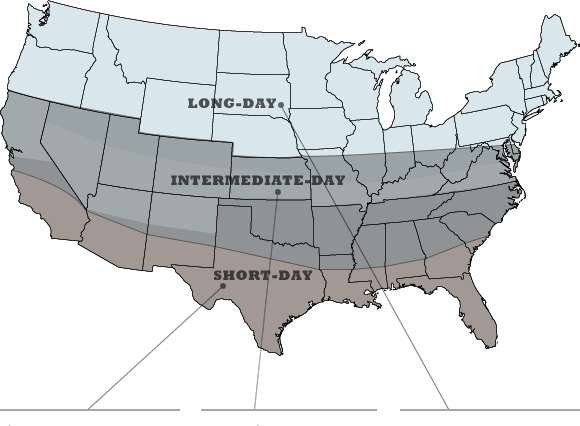

Temperature and seasonal shifts further influence how quickly onions establish roots and develop bulbs. Planting too early or too late can expose seedlings to frost, excessive heat, or stress that reduces yield. Using a detailed map allows you to time your sowing or transplanting so the crop progresses through its key stages under optimal conditions.
Short Day vs Long Day Varieties
Short day onions require roughly 10 to 12 hours of daylight to initiate bulbing, which makes them ideal for mild winter and southern climates. These cultivars often form large, sweet bulbs when planted in early spring or late summer depending on your specific region. An onion growing map clearly outlines where each short day type delivers the best size and flavor, helping you avoid varieties that may never bulb properly in your area.


Long day onions, by contrast, need 14 hours or more of daylight to trigger bulb formation, so they perform best in northern areas with extended summer light. Gardeners in cooler regions benefit from selecting these hardy types because they store well and mature in the local season. The map highlights zones where long day cultivars excel, ensuring you match day length to your latitude for consistent, high quality results.
Temperature and Soil Considerations
Onions prefer moderate temperatures between 13 and 24 degrees Celsius for steady bulb development, and sudden heat waves can cause bolting or small bulbs. A comprehensive onion growing map incorporates average temperature ranges, indicating when to start seeds indoors or direct sow in the ground. This information helps you select heat tolerant or cold hardy cultivars that align with your local weather patterns.
Well drained, fertile soil with plenty of organic matter is essential for preventing disease and promoting uniform bulb growth. Maps that include soil type recommendations guide you toward raised beds, mounds, or specific amendments like compost and sand. Combining climate data with soil information gives you a clearer picture of which fields or garden beds will deliver the strongest onion harvests.


Planning Your Onion Planting Strategy
Once you understand the climate and variety requirements, you can create a practical planting strategy tailored to your space and schedule. Succession planting and careful spacing reduce the risk of total crop loss due to pests or weather. An onion growing map assists you in organizing these efforts by showing the best months for sowing, transplanting, and expected maturity in your region.
For market gardeners, aligning production with local demand can improve sales and reduce waste, while home cooks enjoy a steady supply of fresh onions for everyday meals. Using the map to plan multiple plantings spreads out your harvest and extends the availability of your crop. This approach turns a simple vegetable patch into a reliable, season long source of fresh produce.
Seed Selection and Quality
Choosing certified, high quality seeds is crucial for achieving strong germination and uniform bulb size, and an onion growing map often lists trusted varieties suited to each zone. Resistant strains can reduce the need for chemical interventions, which is especially valuable for organic growers who prioritize soil and environmental health. Matching seed type to your map zone helps you avoid disappointment from seeds that are poorly adapted to local conditions.


Consider factors such as days to maturity, storage potential, and flavor when comparing options highlighted on the map. Some varieties excel in sweetness, while others prioritize durability or resistance to common diseases. By cross referencing these traits with your regional data, you can select seeds that balance taste, performance, and your personal growing goals.
Common Pests and Diseases
Onions are vulnerable to pests such as onion fly, thrips, and nematodes, as well as diseases like downy mildew and white rot. An onion growing map typically indicates which pests and diseases are most prevalent in each area, enabling you to prepare protective measures in advance. Early season covers, crop rotation, and healthy soil practices all contribute to minimizing damage before it starts.
Integrated pest management strategies, including monitoring, biological controls, and targeted applications when necessary, help you protect your crop without over relying on chemicals. A well designed map often links to resources that advise on timing, thresholds, and eco friendly treatments. Using these insights together with regional data keeps your onions strong from planting to harvest.
Using Technology and Local Knowledge
Digital tools, smartphone apps, and online maps make it easier than ever to access onion growing guidance tailored to your precise location. These platforms often integrate weather data, historical frost dates, and community observations to refine recommendations. Combining this technology with traditional knowledge from local farmers can give you a more complete picture of what works best in your area.
Local cooperative extension services, gardening clubs, and experienced neighbors often share practical tips that are not always found in generic guides. An onion growing map becomes far more powerful when you layer on these insights, adjusting planting dates, variety choices, and cultural practices based on real world results. This blend of data and experience maximizes your chances of consistent success.
Record Keeping and Yearly Adjustments
Keeping detailed records of planting dates, varieties, weather, and yields allows you to refine your strategy each season and notice patterns over time. Comparing your notes with the information on an onion growing map helps you verify which recommendations perform best in your unique conditions. Adjusting spacing, irrigation, and soil amendments based on these observations gradually improves your results.
Sharing your findings with local gardening communities can also help others while giving you fresh ideas for improvement. As climates shift and new varieties become available, periodic updates to your approach ensure that your onion growing map stays relevant. This ongoing cycle of planning, tracking, and adapting turns every harvest into a learning experience.
Crop Rotation and Soil Health
Rotating onions with unrelated crops such as legumes or brassicas reduces the risk of soilborne diseases and nutrient depletion. An onion growing map that includes field planning suggestions can help you design rotations that maintain long term fertility and structure. Healthy soil, enriched with compost and balanced nutrients, supports robust root development and consistent bulb formation across seasons.
Cover crops, careful watering, and avoiding compaction further protect your growing area, making each planting season more productive. By integrating these practices with the spatial guidance from your map, you create a resilient system that supports onions year after year. This comprehensive strategy minimizes setbacks and promotes steady, high quality output.
Using an onion growing map thoughtfully can transform an ordinary vegetable patch into a reliable, high performance part of your garden or farm. By combining regional data with attentive care and continuous learning, you adapt to changing conditions and refine your techniques over time. This balanced, informed approach helps you enjoy abundant harvests of flavorful, firm onions season after season.
Related Articles

The Ultimate Guide to Growing Onions in the Perfect Onion Growing Bed
An onion growing bed is the dedicated foundation where these pungent staples transform from tiny seeds into flavorful bulbs ready for harvest. Whether you are...

The Ultimate Online Gardening Calendar for Perfect Harvests
An online gardening calendar is a modern tool that helps home growers plan their tasks with precision and confidence. By syncing your planting schedule to...

The Ultimate Tower Garden Growing System for Maximum Home Harvests
The tower garden growing system is revolutionizing the way people think about fresh produce by turning even the smallest spaces into high-yield vertical farms...

Grow Onions in the Fridge: The Ultimate Guide to Fresh Storage
Growing onion in the fridge is a smart solution for anyone who wants to extend freshness without taking up counter space. Many home cooks assume that onions...

My First Book Growing Food: Your Ultimate Beginner’s Guide to Homegrown Harvests
My first book growing food felt like turning a blank page into a living library of flavors, and the entire process taught me more than any shelf of glossy...

Grow Green Onions in Your Garden The Ultimate Guide To Lush And Flavorful Harvests
Green onions, also known as scallions or spring onions, are one of the most rewarding and practical crops for any home garden, offering a continuous harvest of...