Norse Pagan Rules Unveiling Ancient Wisdom and Modern Practice
Within the quiet firelight of long winter nights, the old stories from the North were never simply tales but living instructions for how to walk alongside gods, ancestors, and spirits. These strands of tradition were woven into the rhythm of seasons, raids, and harvests, forming a web of duties, ethics, and relationships that guided Norse society. The phrase Norse pagan rules points not to a rigid legal code but to a shared memory of reciprocal obligations that kept communities aligned with the forces they revered. Understanding these rules means looking beyond dramatic sagas to the everyday practices that sustained a seafaring world rooted in honor, duty, and responsiveness to the unseen currents of fate.
In the worldview of the Norse, the cosmos was threaded with obligation, from the binding of Fenrir to the fragile truce between the Aesir and Vanir. Gods such as Odin, Thor, and Freyr were not distant monarchs but active participants who expected forms of acknowledgment that sustained both cosmic and social order. Ritual calendars tied agricultural cycles, solstices, and moments of peril to offerings, blóts, and communal feasts, ensuring that human actions continually fed the divine. Thus the early Germanic peoples navigated a landscape littered with sacred thresholds where word, gesture, and gift had to align with unseen powers, and the rules were the remembered choreography that made such encounters possible.
Core Principles Guiding Norse Practice
At the heart of Norse pagan rules lay a web of interrelated concepts like orð, hamingja, and verðandi, each suggesting that words, luck, and destiny were bound together through responsible action. Maintaining orð meant preserving truthful speech and reputation, because in assemblies and feasts, a broken word could unravel the fragile trust upon which alliances depended. Hamingja, roughly akin to a personal or collective luck, could be strengthened through proper offerings and weakened by reckless choices, reminding individuals that their conduct rippled outward to kin and community.


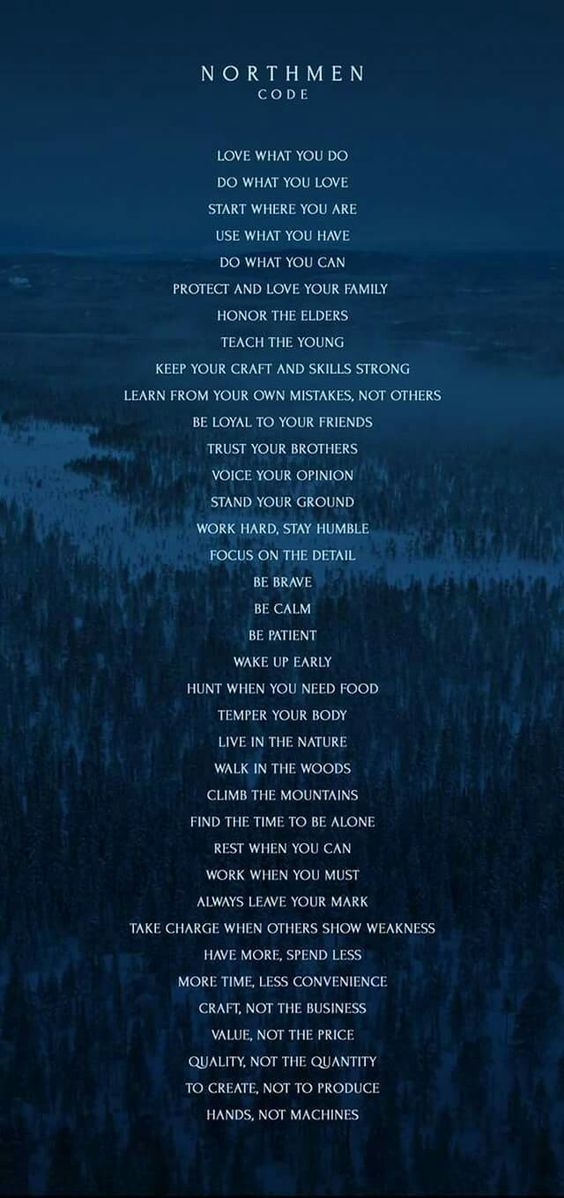
Reciprocity was another non-negotiable strand, echoing in the gifts exchanged between patrons and followers, hosts and guests, humans and gods. Because generosity invited protection and fertility, stinginess or neglect risked provoking the very forces meant to safeguard the homestead. Seasonal observances, sacrifice, and the careful tending of sacred spaces expressed this ongoing give-and-take, so that the rules of conduct were less about abstract morality and more about sustaining a dynamic balance with powers that could bless or withhold favor.
The Role of Sacrifice and Hospitality
Blót, or ritual sacrifice, was one of the most visible expressions of Norse pagan rules, involving the consecrated killing of an animal, the tasting of its blood, and the pouring of libations onto the earth or into fire. These acts were framed not as primitive superstition but as precise protocols that bound humans and gods in mutual commitment, where the shared feast transformed reverence into social cohesion. By distributing portions to ancestors, land spirits, and the assembled community, blót reaffirmed the understanding that prosperity depended on honoring the unseen participants at every table.


Hospitality, too, operated under strict codes that governed how guests were received, how oaths were sworn, and how disputes were settled in the mead hall. Violating these codes could disrupt the fragile harmony of a settlement, inviting both social censure and spiritual imbalance. Consequently, rules about safe-conduct, the sharing of food, and the safeguarding of thresholds reinforced both ethical behavior and pragmatic stability, ensuring that every arrival and departure reaffirmed the network of reciprocal duties linking households, clans, and deities.
Oaths, Law, and Public Ritual
In the Thing, the public assembly where free men gathered to resolve disputes and make decisions, oaths carried the weight of cosmic consequences. Breaking an oath was more than a personal failing; it threatened the cohesion of the community and risked the displeasure of the gods who presided over sworn words. Such occasions often involved ritual objects, water, or freyjarr—invoking the powers of truth and memory—and demanded careful framing of each spoken commitment.
Local law codes, like those preserved in the Grágás, grew out of these ritual contexts, blending formal procedure with ceremonial practice. Judges and goðar mediated not only property and injuries but also the maintenance of correct relationships with land spirits and ancestors. The codification of Norse rules at this level shows how deeply legal and religious concerns were intertwined, creating a framework where social harmony and divine favor were inseparable aspects of the same order.


Seasonal and Life-Cycle Observances
From the turning of the sun at solstice to the first green shoots of spring, seasonal observances structured the rhythm of Norse life and demanded specific offerings, songs, and gestures aligned with ancestral memory. During Yule, families welcomed the return of light with feasting, toasting of ancestors, and the lighting of hearth fires that echoed the sun’s rebirth. These cyclical events were not optional add-ons but core expressions of how rules bound the living to the land, the ancestors, and the enduring patterns of nature.
Life transitions such as birth, adulthood, marriage, and death were punctuated by rites that invoked deities like Frigg and Freyr or landvættir guarding the local terrain. Naming ceremonies, weddings, and funerals each carried prescribed elements, from the placement of burial goods to the cutting of hair, ensuring that individuals moved safely through dangerous thresholds. In this way, Norse pagan rules extended across the entire arc of existence, giving form to moments of joy and grief alike and embedding human experience within a larger narrative of continuity and change.
Land Spirits and Household Guardians
Every farm, forest, and stretch of shoreline was understood to be inhabited by land spirits and household guardians who required acknowledgment to ensure good harvests, healthy livestock, and protection from misfortune. Offerings of food, drink, or simple tokens left at boundary stones, wells, or sacred trees honored these often-invisible presences and reminded inhabitants that the land itself was a living partner in daily survival.


Neglect of these local forces risked more than crop failure; it invited a subtle unraveling of fortune that no amount of human effort could easily repair. Norse rules regarding land spirits were therefore practical as well as spiritual, embedding a sense of humility and attentiveness in routines like spring cleaning, fence-mending, and the first sharing of the season’s harvest. Maintaining reciprocity with place-based powers was an ongoing obligation, expressed through small but consistent acts of respect.
Household shrines, often simple stone bowls or carved posts, served as focal points where families made daily offerings, thanked protective wights, and sought guidance on practical matters. These intimate spaces reflected the belief that the sacred was not confined to distant temples but lived within the thresholds of home. By sustaining a relationship with these guardians, families preserved a sense of safety and belonging, weaving their lineage into the enduring fabric of place.
Taken together, Norse pagan rules formed a living framework that connected speech and action, human community and divine presence, seasonal change and personal destiny. They were less about rigid commandments and more about cultivating a responsive relationship with a world alive with agency, memory, and possibility. Each gesture, word, and gift participated in a vast conversation that reached back through generations and forward into the uncertain future.
For those exploring these traditions today, the challenge lies in translating ancient reciprocity into contemporary practice without losing the deep sense of relationship that once defined every encounter. Walking with Norse gods and spirits now may mean honoring the rhythms of land, language, and lineage while remaining open to how these old patterns continue to shape identity and community. In continuing to listen, learn, and engage respectfully, seekers keep the old stories alive as a moving guide rather than a fixed relic, allowing the wisdom of the North to speak into the present.
Related Articles

Hellenic Pagan Rules: Ancient Wisdom Modern Practice
Hellenic pagan rules are the time honored customs that bind modern devotees to the ancient rhythms of the Greek gods. These guidelines transform scattered...
Norse Pagan Rules To Live By Ancient Wisdom For Modern Life
The Norse pagan rules to live by emerge from a rich tapestry of myth, poetry, and ancestral wisdom that shaped the daily lives of ancient Scandinavian peoples...
Hellenistic Pagan Rules Ancient Wisdom Modern Practice
Hellenistic pagan rules describe the ethical and ritual guidelines followed by people who embraced the many gods and goddesses of the ancient Mediterranean...

Pagan Rules To Live By Ancient Wisdom For Modern Life
Many people searching for a meaningful path find that pagan rules to live by offer a deep and grounded way to connect with life. These guidelines are less...

Unlocking Norse Pagan Laws Ancient Wisdom Modern SEO
The study of Norse pagan laws reveals a sophisticated framework that governed behavior, honor, and community cohesion in the Viking Age. These legal...

Essential Pagan PDF Guide Ancient Wisdom Modern Practice
Searching for a pagan pdf collection can feel like opening a digital grimoire filled with ancient wisdom and modern interpretation. These files act as portable...