Engaging Museum Activities for Students Fun Educational Field Trips
Museum activity for students transforms passive learning into dynamic, hands-on discovery, making history, science, and art come alive beyond the classroom walls.
By connecting curricula to real artifacts and immersive environments, these experiences foster curiosity, critical thinking, and a lifelong love for culture.
Engaging Students Through Interactive Learning
Interactive learning lies at the heart of effective museum activity for students, turning observation into participation and questions into exploration.
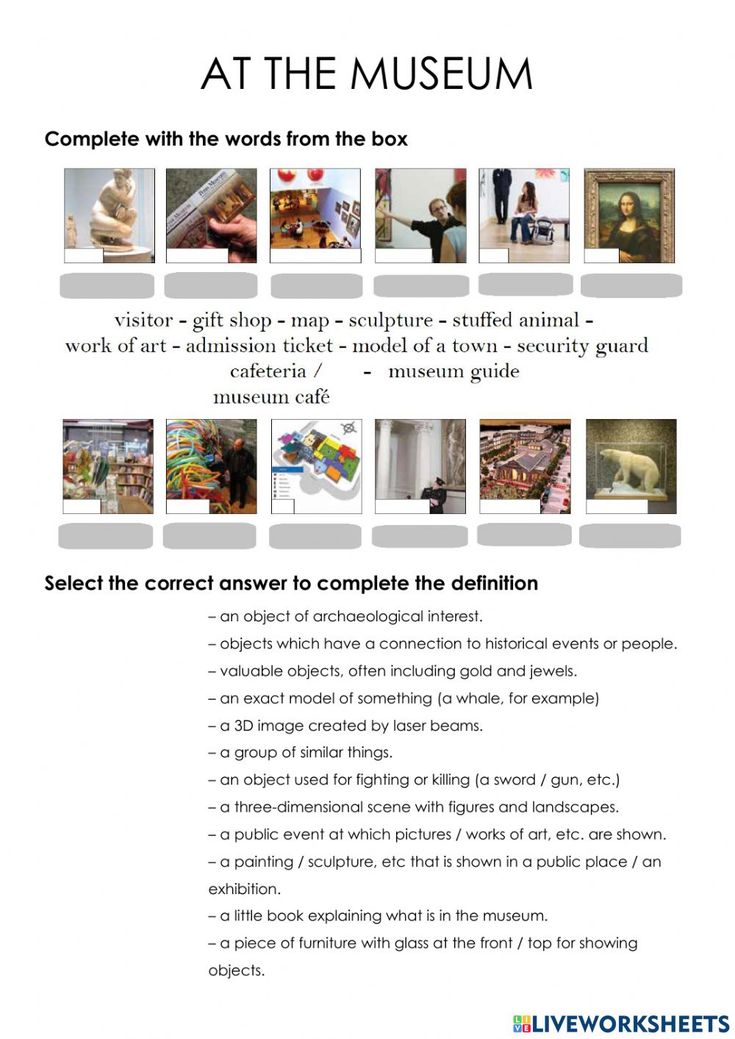


These experiences are designed to align with educational standards while sparking personal interest, ensuring that knowledge is not just absorbed but understood and remembered.
Hands-On Workshops and Demonstrations
Hands-on workshops allow pupils to handle replicas, experiment with scientific principles, or create art inspired by the collection, deepening tactile memory.


Live demonstrations by educators or artists provide a window into historical processes or creative techniques, making abstract concepts tangible and relatable.
Guided Tours Tailored for Young Learners
Guided tours crafted for specific age groups use storytelling, humor, and relatable comparisons to turn complex topics into engaging narratives.
Trained docents often encourage students to lead the discussion, fostering confidence and critical observation skills through open-ended questions.


Curriculum Integration and Educational Value
Curriculum integration ensures that museum activity for students reinforces classroom lessons, serving as a living extension of textbooks and lectures.
Teachers appreciate how these visits contextualize theoretical knowledge, helping pupils see the relevance of subjects like mathematics, literature, and social studies in the wider world.
Cross-Disciplinary Learning Opportunities
Cross-disciplinary exhibits allow students to draw connections between science and art, or history and technology, cultivating a more holistic understanding.


For example, an ancient engineering marvel might spark discussions in physics, mathematics, and even cultural studies, demonstrating how knowledge intertwines.
Development of Critical Thinking Skills
Analyzing primary sources, interpreting symbolism, or evaluating historical perspectives helps pupils hone analytical skills that extend far beyond the museum gates.
Structured reflection sessions, where students share insights or debate interpretations, further strengthen their ability to construct reasoned arguments.
Supporting Diverse Learning Styles
Visual learners benefit from detailed artifacts and vivid displays, while auditory learners engage through讲解 and group discussions.
Kinesthetic learners find value in interactive stations and role-playing activities, ensuring that museum visits are inclusive and effective for every student.
Planning Successful Educational Visits
Successful museum activity for students begins long before the trip, with careful planning that sets clear learning objectives and expectations.
Collaboration between educators and museum staff ensures that resources, such as activity sheets or digital guides, enhance the experience without overwhelming it.
Pre-Visit Preparation in the Classroom
Introducing key vocabulary, themes, and historical context prepares students to engage more deeply and ask more insightful questions.
Brief discussions about museum etiquette, such as voice levels and handling instructions, help maintain a respectful and focused environment.
Utilizing Digital and Multimedia Resources
Many institutions offer apps, virtual tours, or augmented reality features that extend learning before, during, and after the visit.
These tools can provide background information, interactive maps, or behind-the-scenes content, enriching the journey and encouraging independent discovery.
Thoughtfully designed museum activity for students bridges the gap between academic theory and real-world wonder, turning curiosity into knowledge.
As educators and institutions continue to innovate, these visits will remain a powerful way to inspire the next generation of thinkers, creators, and informed global citizens.
Related Articles

Field Trip Ideas for High School Students: 100+ Engaging & Educational Outings
Planning field trip ideas for high school students opens the door to learning that extends far beyond the classroom walls. For educators and administrators...

Fun Games For 4th Graders In The Classroom: Engaging And Educational Activities
Finding fun games for 4th graders in the classroom is a fantastic way to transform routine lessons into memorable learning moments. At this age, children are...

Fun Class Activities: 10 Engaging Ideas for Students
Making lessons feel more like play is one of the most powerful ways to transform a standard class into a memorable learning experience. When students are fully...

Fun Classroom Activities For 4th Grade Students Engaging Learning Games
Engaging 4th graders in dynamic lessons helps channel their growing curiosity and social energy, turning everyday class time into memorable learning moments...

Fun Classroom Games: Engaging Activities for Students
Turning a standard lesson into an unforgettable experience often begins with a simple question about fun classroom games. Educators and parents constantly seek...

Free Garden Activities for Elementary Students Fun Educational Outdoor Learning
Planning free garden activities for elementary students opens up a world of hands-on learning right outside the classroom door. These outdoor experiences blend...