Modern Window Grids: Enhance Your Home’s Curb Appeal
Modern window grids are transforming how daylight interacts with interior spaces, blending precise geometry with architectural personality. Far from mere decorative lines, these grid patterns define visual rhythm, influence how a room breathes, and anchor a home’s curb appeal with clean, contemporary definition.
Today’s designs move beyond traditional farmhouse or colonial styles, offering slimmer sightlines, customizable patterns, and materials that pair durability with refined elegance. Whether you are renovating historic windows or specifying new builds, understanding how these grids frame views and shape light helps you harness their full design potential.
Design Language and Aesthetic Impact
The language of modern window grids is rooted in proportion, contrast, and intention. Slimmer muntins, minimal bars, and strategic negative space create a sense of openness while still delivering the structure that grounds a facade. This cleaner approach allows windows to act as subtle art pieces rather than busy focal points.


Custom layouts, from narrow colonial patterns to bold crisscross motifs, can be tuned to reflect a property’s character. Thoughtful grid design enhances curb appeal, aligns with architectural style, and ensures that each window contributes cohesively to the overall exterior palette and street presence.
Proportion and Sightline Optimization
Proportion is the backbone of successful grid design. By adjusting the width of muntins and the size of individual panes, you control how much frame the eye notices from the street and from inside the room. Narrow profiles maximize glass area, flooding interiors with light and preserving uninterrupted views of the landscape.


Balancing large glass areas with refined grid lines maintains clarity without feeling stark. This approach ensures that windows scale appropriately with the home’s proportions, preventing small rooms from feeling overwhelmed or large facades from looking sparse.
Pattern Customization and Architectural Harmony
Modern window grids allow for bespoke patterning, so you can align the design with the home’s era and function. From evenly spaced bars to asymmetrical layouts that highlight key views, the pattern you choose directly influences how light filters through at different times of day.
Working with a designer to sketch grid options on elevation drawings helps you visualize how each pattern interacts with rooflines, balconies, and other architectural elements. The right pattern can echo roof pitches, emphasize horizontal lines, or add subtle contrast to a minimalist facade.


Performance, Materials, and Craftsmanship
Material selection plays a crucial role in the longevity and maintenance of modern window grids. Aluminum, fiberglass, and premium wood composites each offer distinct benefits in terms of thermal performance, durability, and visual warmth. Matching the grid material to the window frame ensures a unified, high quality appearance that ages gracefully.
Advanced glazing technologies, such as low emissivity coatings and gas fills, can be integrated into grid systems without compromising clarity or style. This combination of structural finesse and energy efficient glazing helps maintain comfortable indoor temperatures while preserving crisp views.
Thermal Efficiency and Weather Resistance
Thermal breaks and insulated frames minimize heat transfer, making modern grids more efficient than their traditional counterparts. By reducing thermal bridging, these systems help stabilize indoor temperatures and lower reliance on heating and cooling throughout the year.


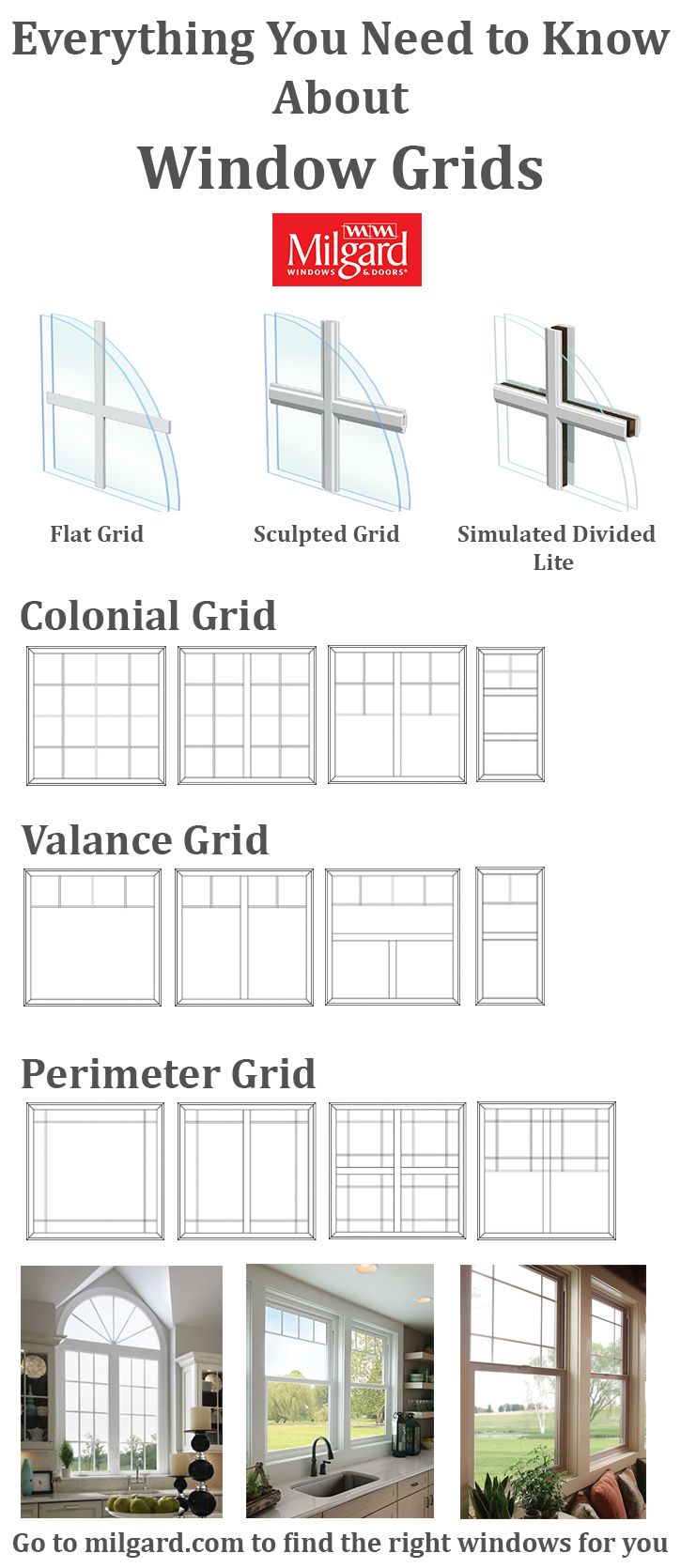


Weather tight seals and durable hardware ensure that grids remain aligned and operable despite temperature swings, heavy rain, or salty coastal air. Choosing systems tested for water penetration and air infiltration gives confidence that performance will match the visual impact.
Material Choices and Long Term Care
Aluminum grids offer sleek lines and strength, while fiberglass can mimic wood textures with lower maintenance. Wood composite options provide authentic grain and the possibility of staining to match exterior hues, without the upkeep of solid wood.
Regular cleaning with mild solutions and periodic inspections of seals keeps grids looking sharp and functioning smoothly. Selecting materials that resist fading, corrosion, and warping ensures that the grid pattern remains sharp and cohesive over time.
Integration with Home Upgrades and Daylighting Strategies
Modern window grids should be planned as part of a broader home upgrade strategy, coordinating with roofing, siding, and landscape lines. Thoughtful integration allows grids to act as connectors between interior spaces and the outdoors, creating a seamless flow between rooms and surroundings.
Daylighting strategies leverage grid patterns to channel natural light deeper into living areas, reducing reliance on artificial lighting. By modeling how light enters at different times of year, designers can position grids to minimize glare while highlighting key views.
Smart Home Compatibility and Control
Motorized glazing integrated with grid systems can be tuned to open or tint in response to changing light conditions. Pairing these windows with smart home controls lets you adjust brightness and privacy with minimal effort, enhancing both comfort and energy efficiency.
Sensors that respond to outdoor brightness or indoor occupancy can automate the behavior of windows, ensuring optimal ventilation and daylight balance throughout the day. This level of control turns a classic grid pattern into a dynamic feature that supports modern lifestyle needs.
Design Coordination Across Rooms
Consistent grid spacing and muntin profiles unify a home’s aesthetic, especially in renovations where multiple windows are involved. Standardizing certain design elements while varying others, such as glass color or hardware finish, creates a curated yet flexible architectural language.
Collaborating early with architects and builders ensures that window grids align with structural requirements, egress needs, and accessibility standards. Coordinated detailing across elevations, interior trim, and cabinetry enhances the sense of intention and quality throughout the project.
Thoughtfully designed modern window grids invite you to see your home in a new light, blending precise craftsmanship with everyday comfort. As you plan updates, consider how each pattern, material, and performance feature can work together to frame views, enhance efficiency, and express your personal style.
Related Articles

Milgard Garden Window Installation: Upgrade Your Home’s Curb Appeal Now
Milgard garden window installation brings classic curb appeal and fresh natural light to your living space, making it a smart upgrade for homeowners who love...

Aluminum Garden Window: Elevate Your Home’s Curb Appeal and Light
An aluminum garden window brings a sleek, modern edge to any outdoor living area while offering practical benefits that many homeowners appreciate. This type...

Small Wooden Gate Door Ideas Enhance Your Curb Appeal
A small wooden gate door can transform an ordinary fence line into a welcoming entry that feels both sturdy and inviting. Whether you are refreshing a backyard...

Curb Appeal Gardens: 10 Stunning Landscaping Ideas to Boost Your Home’s Value
Curb appeal gardens transform the first impression of a home into a captivating outdoor experience, turning an ordinary entrance into a welcoming sanctuary...

Estate Wood Fence: Enhance Your Curb Appeal with Timeless Charm
An estate wood fence represents a timeless investment that defines the perimeter of your property with both elegance and strength. This classic boundary...

Stunning Front Yard Curb Appeal Designs To Boost Your Home’s First Impression
First impressions matter more than you think, and your front yard curb appeal designs set the tone for how people perceive your home the moment they arrive. A...