Creative Landscaping Ideas to Cover Tree Roots and Boost Curb Appeal
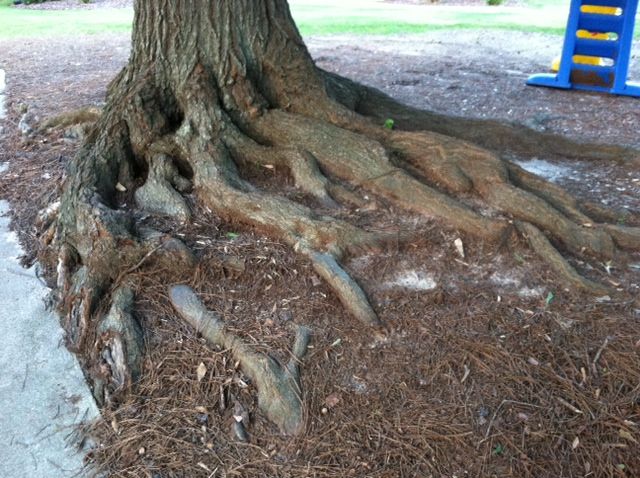
Dealing with exposed tree roots in your yard can feel frustrating, but with the right landscaping ideas to cover tree roots, you can transform this challenge into a beautiful and functional feature. Rather than viewing these surface roots as an eyesore, consider them an opportunity to showcase creativity and enhance your outdoor space. The key is to work with the tree, not against it, ensuring that any solution protects the health of the tree while improving the visual appeal of your landscape. By choosing the right approach, you can create a seamless transition between your house and the garden.
Many homeowners mistakenly try to hide tree roots with deep grass or ignore them completely, leading to future problems like tripping hazards or damage to lawn equipment. Effective landscaping requires understanding the tree's needs, such as its nutrient uptake and surface stability, which shallow roots provide. The goal is to create a protective yet attractive environment that preserves the tree's vigor while integrating it harmoniously into your overall design plan. This introduction to smart solutions will guide you toward options that are both practical and visually pleasing.
Mulching and Ground Cover Strategies
Applying organic mulch is one of the most effective landscaping ideas to cover tree roots, as it conserves moisture, suppresses weeds, and gradually enriches the soil. A layer of mulch acts as a protective blanket for the roots, reducing the risk of mechanical damage from lawn mowers or foot traffic. This method is particularly useful for mature trees that have developed wide, shallow root systems which compete with grass for water and nutrients.


Wood Chip Mulch Application
Using wood chips creates a natural, rustic look that softens the hard lines of exposed roots. It is essential to keep the mulch a few inches away from the trunk itself to prevent rot and pest infestations, a common mistake in DIY landscaping. The depth should generally be around two to four inches, providing adequate insulation without suffocating the tree's root flare. This approach is low maintenance and visually integrates the tree into the surrounding soil.
Companion Planting with Ground Covers
For a more vibrant solution, selecting low-growing ground covers that thrive in shade can mask the roots while adding color and texture. Plants such as periwinkle, sweet woodruff, or specific fern varieties are excellent choices because they establish dense mats that stabilize the soil. These living mulches contribute to a dynamic landscape that changes with the seasons, offering year-round interest without requiring constant upkeep.


When implementing these strategies, remember that the area under the tree's canopy is its critical root zone. Heavy foot traffic or the addition of soil can compact this area, making it difficult for the tree to absorb oxygen. Therefore, the best landscaping ideas to cover tree roots focus on minimizing disturbance and creating a stable, healthy environment that allows the tree to coexist safely with your outdoor activities.
Hardscaping and Pathway Design
If you prefer a more structured look, hardscaping offers durable solutions that can elegantly navigate around tree roots. Installing stepping stones, pavers, or gravel paths allows you to traverse the area without damaging the bark or roots. This is one of the most practical landscaping ideas to cover tree roots in high-traffic zones, such as walkways between driveages and garden beds, or between the house and patio.
Stepping Stone Integration
Placing flat stones directly on the soil between roots creates an instant and charming pathway. This method requires minimal excavation, preserving the tree's stability and access to nutrients. You can arrange the stones in a curve that follows the natural shape of the root system, turning a potential hazard into a deliberate design element that guides visitors through your garden safely.


Raised Edging and Containment
Using landscape timbers or decorative edging to ring the tree creates a defined border that prevents lawn grass from encroaching on the root zone. This containment helps maintain the integrity of the mulch or ground cover and signals to mowers where to stop. Raised edges also visually lift the root mass, framing it as an intentional feature rather than an accidental obstacle in your yard.
Successful hardscaping respects the tree's flare at the base, ensuring that no material is piled high against the trunk. Good airflow and light penetration are essential for the bark's health, and ignoring this can lead to disease. The most successful hardscape projects incorporate flexibility, allowing for some movement and growth without compromising the integrity of the installed materials.
Creative Decorative Elements
For those seeking an artistic approach, decorative elements can effectively disguise tree roots while adding personality to your yard. Sculptural rocks, ornamental grasses, or a curated collection of containers can draw the eye away from the ground and toward a focal point. These tactics are part of a broader strategy of using visual distraction to solve common landscape challenges.


Rock and Boulder Features
Strategically placing large river rocks or boulders among the roots can create a dry creek bed aesthetic that hides the irregularities of the surface. This technique works well in drought-tolerant landscapes, aligning with xeriscaping principles. The weight of the stones helps keep them in place, and the varying sizes create visual interest that distracts from the mass of the roots below.
Container Gardening and Vertical Accents
Hanging baskets, wall planters, or tall container gardens situated near the tree can redirect attention upward. By adding vertical layers to your design, you create depth and dimension that minimize the focus on the crowded root zone. These elements also offer flexibility, allowing you to change the color scheme seasonally without altering the permanent landscape around the tree.
When planning these decorative features, it is vital to ensure that nothing is placed so close to the trunk that it traps moisture or invites pests. The health of the tree must remain the priority, even when pursuing the most creative landscaping ideas to cover tree roots. A balanced design enhances the tree's natural form rather than fighting against it.
Ultimately, selecting the right combination of mulch, hardscape, and decor allows you to turn a difficult landscaping issue into a unique opportunity for expression. By prioritizing the tree's health and working with the natural contours of the land, you can achieve a cohesive look that feels both intentional and serene. Exploring these options will help you build an outdoor environment that is as resilient as it is beautiful.
Related Articles

Boost Curb Appeal Landscaping Florida Stunning Outdoor Ideas
In the sunny real estate market of Florida, curb appeal landscaping is far more than a decorative afterthought; it is a strategic investment that transforms...

Small Front Yard Landscaping Ideas Curb Appeal Boost
Small front yard landscaping ideas can completely transform the way your home feels and appears from the street, turning a tiny patch of grass into a stylish...

Simple Ranch House Front Landscaping Ideas Curb Appeal Boost
Simple ranch house front landscaping creates a welcoming entrance that feels both timeless and comfortable. These homes often feature low pitched roofs...

Curb Appeal Palm Tree Landscaping Ideas: Stunning Front Yard Designs
Landscaping your front yard with palm trees is one of the most effective ways to create an immediate and lasting first impression. A well designed approach...
Creative Landscaping Ideas Around Tree Roots Stunning Transformations
Transforming the challenging zone around mature tree roots into a beautiful and functional landscape feature is one of the most rewarding projects for any...

25+ Stunning Front Porch Decorating Ideas to Boost Curb Appeal
Your front porch is the first thing guests see and the last thing neighbors notice, making it one of the most powerful design statements on your home. A well...