Is Vegetable Gardening Worth It 7 Proven Benefits That Will Make You Start Today
For many people, the idea of spending time in the dirt feels far removed from the demands of modern life, yet the question of is vegetable gardening worth it resonates deeper than simple hobby trends. It touches on our desire for real food, our need to step away from glowing screens, and a longing to create something tangible with our own hands. This article explores that exact question, moving beyond the surface to uncover the true value that grows beneath the soil.
When you start to weigh is vegetable gardening worth it, you quickly realize it is about more than the groceries you harvest. It is a practice that reconnects you with the seasons, with the environment, and with a sense of personal capability that daily errands often erode. The journey from seed to plate offers a profound sense of accomplishment that no store-bought purchase can match, making the time invested feel incredibly meaningful.
The Tangible and Intangible Returns
On the practical side, the answer to is vegetable gardening worth it often appears in the form of a vibrant, overflowing table. Homegrown vegetables offer a level of flavor and nutritional density that is nearly impossible to find in commercial supply chains. You know exactly what went into the soil, what touched the plants, and when the harvest was picked, translating directly to better health and peace of mind for you and your family.


Beyond the plate, the financial equation is also compelling. While there is an initial setup cost for soil, seeds, and tools, the ongoing return on investment can be substantial. Even a small space can yield hundreds of dollars worth of produce over a season, effectively lowering your grocery bill. This economic benefit transforms the garden from a luxury into a practical, self-sustaining asset that pays dividends month after month.
Superior Flavor and Nutrition
One of the most persuasive reasons behind is vegetable gardening worth it is the undeniable difference in taste. Vegetables picked at peak ripeness and eaten within minutes have a sweetness and depth of flavor that fades rapidly after harvest. This experience reshapes your expectations of what a tomato or a carrot can be, making store versions seem bland and watery by comparison.


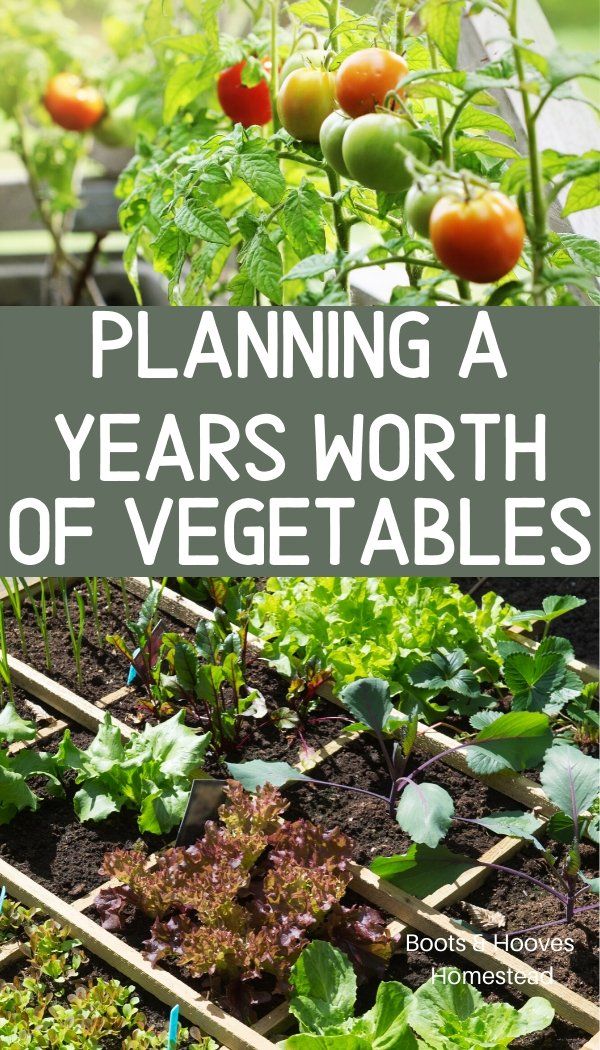
Nutritionally, the advantage is just as clear. Nutrients in produce begin to degrade as soon as they are picked, so the shortest possible distance from garden to kitchen equals maximum health benefits. By growing your own food, you ensure that your meals are packed with the highest levels of vitamins and antioxidants, supporting your body with the freshest ingredients available.
Food Transparency and Safety
In an era of complex supply chains and mysterious labels, is vegetable gardening worth it becomes a question of control. When you grow your own food, you have full oversight of the entire process. You decide whether to use organic practices, avoiding pesticides and herbicides, or to follow a different set of principles that align with your values. This transparency is priceless for those concerned about the safety and origin of their food.
Knowing that your food is free from unknown chemicals and handled with care provides a level of security that extends far beyond the dinner table. It is a proactive step toward taking charge of your family's health, eliminating the stress of recalls and contamination fears that can sometimes taint commercial grocery aisles. Your garden becomes a sanctuary of reliable, clean produce.


Mental, Emotional, and Environmental Rewards
The benefits of vegetable gardening extend deeply into the realm of mental and emotional well-being. The act of tending to a garden serves as a moving meditation, where the repetitive tasks of weeding and watering create a rhythm that soothes the mind. This connection to nature has been shown to reduce stress, lower anxiety, and provide a powerful counterbalance to the fast-paced digital world many of us inhabit.
Furthermore, nurturing a garden fosters a sense of responsibility and connection that is often missing from modern life. You witness the miracle of life as a seed transforms into a flowering plant and then into sustenance. This cycle cultivates patience and resilience, teaching valuable lessons about cause and effect that apply far beyond the garden bed.
Stress Reduction and Physical Activity
Gardening provides a gentle yet effective form of physical exercise that is easy on the joints and enjoyable for the mind. The combination of fresh air, sunlight, and movement creates a natural endorphin boost, effectively combating feelings of lethargy or sadness. Spending time outdoors in a productive setting can reset your mood and provide a healthy outlet for daily pressures.


The focus required to care for a garden acts as a form of mindfulness, pulling your attention away from worries and into the present moment. You are engaged with the texture of the soil, the scent of herbs, and the visual beauty of growing plants. This immersive experience is a powerful antidote to the constant notifications and digital distractions that contribute to modern stress.
Environmental Stewardship and Sustainability
On a broader scale, choosing to grow your own vegetables is a quiet act of environmental stewardship. It reduces the carbon footprint associated with transporting food across long distances, cutting down on packaging waste and fossil fuel consumption. Every home garden is a small but vital contribution to a more sustainable food system.
Additionally, gardens support local ecosystems by providing habitats for pollinators like bees and butterflies. They help manage stormwater, improve soil health, and increase biodiversity right in your own backyard. By growing your own food, you are not just feeding yourself; you are actively participating in the health of the planet.
So, is vegetable gardening worth it? The answer lies not just in the harvest you gather, but in the richer, more grounded life you cultivate along the way. It offers a powerful blend of practical, emotional, and ecological rewards that touch nearly every aspect of your well-being. Consider starting with a single pot or a small raised bed, and let the process unfold naturally, discovering for yourself how deeply this simple act can change your days.
Related Articles

Funny Vegetable Garden Memes That Will Make You Sprout With Laughter
Funny vegetable garden memes capture the quirky side of backyard farming and turn everyday gardening mishaps into bite sized humor that spreads quickly online...

Lasagna Memes That Will Make You Sauce
Lasagna memes have become a staple in the chaotic world of online humor, turning a classic Italian dish into a viral canvas for relatable feelings and absurd...

Hilarious Funny Garden Signs Australia That Will Make You Chuckle
Across Australian backyards and front verandas, funny garden signs australia have become a beloved form of outdoor expression, turning ordinary fences into...

Happy Birthday Funny Dog Pictures That Will Make You Bark With Laughter
Happy birthday funny dog pictures bring instant joy to any celebration, turning a simple milestone into a memorable event filled with wagging tails and silly...

Hilarious Funny Barbie Costumes For Adults That Will Make You The Life Of The Party
Funny Barbie costumes for adults are taking the party scene by storm, turning ordinary gatherings into unforgettable moments of pure nostalgia and laughter...

Hilarious Funny Sayings About Luck That Will Make You Chuckle
Life is unpredictable, and sometimes the best way to cope with that uncertainty is to laugh at it through funny sayings about luck. These short quips capture...