Is Beach Sand Good for Vegetable Garden Soil Secrets and Tips
Many home gardeners wonder whether using beach sand in a vegetable garden is a smart choice for healthy growth and bountiful harvests. The short answer is that not all sand is suitable, and beach sand often brings specific challenges that require careful consideration before mixing it into the soil.
Beach sand differs from builder's sand or horticultural sand because it contains higher levels of salt, very fine particles, and sometimes organic debris from shells and ocean life. These characteristics influence soil structure, drainage, and the availability of nutrients, which means it can affect both short term germination and long term soil fertility if used without modification.
Understanding Sand in Vegetable Garden Soils
Soil texture determines how water moves through the root zone and how easily roots can expand, and sand plays a key role in creating that structure. Adding clean sand can loosen heavy clay and improve aeration, but the origin of the sand matters more than many beginners realize.


The goal for any vegetable garden is to achieve a balance where roots have enough air and moisture without sitting in water or drying out too quickly. This balance is often described as loamy soil, and it depends on the right mix of sand, silt, and clay along with ample organic matter.
Physical Structure and Drainage
Sand particles are relatively large and create open spaces between them, which allows excess water to drain quickly. In compacted soils, this improved drainage can prevent root rot and help seeds establish faster by reducing the risk of waterlogging.
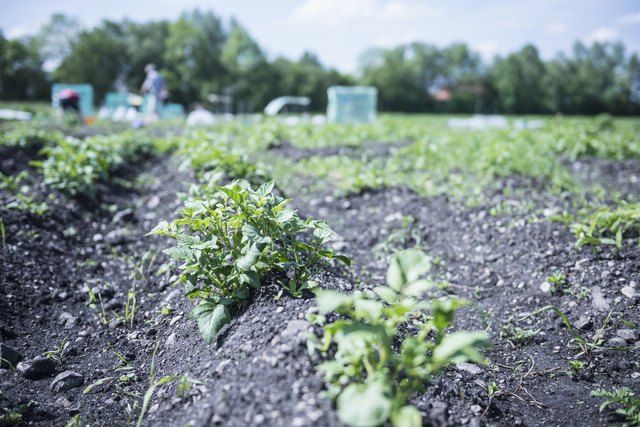


However, if the sand is too fine or applied in large amounts without organic material, it can actually pack down over time and reduce the very pore space that makes drainage beneficial. Mixing sand with compost and well rotted manure helps create stable aggregates that keep the soil loose yet moisture retentive.
Nutrient Holding Capacity and Salinity
One major limitation of sand is its low cation exchange capacity, which means it struggles to hold onto essential nutrients like nitrogen, potassium, and magnesium. Vegetables that produce heavy crops often need frequent, lighter feedings to compensate for this rapid leaching.
Beach sand, in particular, carries dissolved salts from ocean spray and evaporation, which can build up in the root zone and stress young seedlings. High salinity hinders water uptake, causing leaves to yellow or curl, so it is critical to test for residual salt before incorporating beach sand into planting beds.


Evaluating Beach Sand for Vegetable Gardens
Before using beach sand, it is wise to examine its appearance, smell, and texture, and to consider where and how it was collected. Sand from a heavily trafficked public beach may contain pollutants, broken glass, or micro plastics that have no place in food producing soil.
Washing the sand thoroughly and letting it dry in the sun can remove some salt and debris, but this step alone does not eliminate the risk of residual sodium chloride or trace metals from nearby industrial runoff. Conducting a simple leaching test, where you soak a sample and measure the resulting water's electrical conductivity, helps gauge how much salt the sand might introduce.
Potential Benefits of Using Beach Sand
When sourced carefully and properly treated, beach sand can add a pleasing granular texture to dense clay and help loosen tightly packed backyard soil. The larger particles create channels that allow air to reach beneficial microbes, which supports stronger root growth and faster decomposition of organic matter.


In regions where builders sand is expensive or difficult to transport, beach sand can be a practical alternative if the local supply is relatively clean. Combining it with homemade compost, biochar, or coco coir offsets its poor nutrient holding capacity and creates a more hospitable environment for crops like lettuce, radishes, and bush beans.
Risks and Drawbacks to Consider
Even after rinsing, beach sand often retains enough salt to interfere with seed germination and the early growth of sensitive seedlings. Salty conditions can also discourage earthworms and other soil organisms that naturally improve structure and cycle nutrients for vegetable plants.
Over time, excessive sand without enough organic matter can lead to a thin, gritty topsoil that dries out between waterings and cracks during hot weather. Gardeners may find themselves watering more frequently and battling erosion on slopes, which makes careful amendment design essential for long term success.
Practical Strategies for Using Sand in Vegetable Beds
For gardeners determined to use beach sand, the safest approach is to treat it as one ingredient in a broader soil improvement plan rather than a standalone solution. Layering clean compost over the sand and gently mixing them before planting ensures that nutrients and organic matter are evenly distributed.
Raised beds and mounds are another effective strategy, because they allow precise control over soil composition while minimizing direct contact with contaminated native soil. Using landscape fabric at the base of the bed prevents weeds, while a mulch of straw or shredded leaves conserves moisture and gradually feeds the soil as it breaks down.
Testing and Blending for Ideal Texture
Before applying sand across an entire growing area, collect a few representative samples and perform a simple jar test to observe how the particles settle. This visual method reveals the proportion of sand, silt, and clay and helps you decide whether more sand is truly needed or whether other amendments should take priority.
Blend the beach sand with equal parts of finished compost, well-rotted leaf mold, and a small amount of coarse builder's sand if necessary, aiming for a mixture that crumbles easily in your hands. This balanced recipe supports robust vegetable growth while reducing the risk of salinity and compaction that pure beach sand can cause.
Ongoing Care and Monitoring
After planting, keep a close eye on leaf color, stem thickness, and overall vigor, because early signs of salt stress or nutrient deficiency will show up quickly in fast growing vegetables. Using a conductivity meter occasionally helps track salt levels, especially in beds that receive regular seawater intrusion or heavy irrigation with salty well water.
Refreshing the top few inches of soil with additional compost each season maintains fertility and protects the structure you initially created. Over time, a thriving ecosystem of fungi, bacteria, and earthworms will naturally bind the sand particles into stable aggregates, making the bed more resilient to both drought and heavy rain.
Gardeners who approach beach sand with caution, thoughtful testing, and consistent organic amendments can turn a potentially problematic material into a useful component of a well drained, productive vegetable plot. Understanding the source, balancing it with rich organic matter, and monitoring plant health ensures that the benefits of improved soil structure outweigh the risks of salinity and nutrient loss over the long term.
Related Articles
Is Sand Good for Vegetable Garden: Benefits and Tips
Adding sand to your soil might sound counterintuitive, especially in a climate where water is often scarce, but this common construction material can play a...

Is Cedar Mulch Good for Vegetable Garden Beds? Discover Benefits & Tips
Home gardeners constantly ask is cedar mulch good for vegetable garden beds because they want a natural way to suppress weeds and retain moisture. This article...

Is Beach Sand Good for Your Garden The Surprising Truth
Many gardeners look at the sand on a beach and wonder if this sunny, granular material can become a secret asset for their garden soil. While the idea of...

13th Beach Gardening Tips Coastal Paradise Plants Soil Sun Sand
13th beach gardening represents a unique fusion of coastal horticulture and mindful landscape design, turning the thirteenth shoreline into a sanctuary of...

What Do I Need to Add to My Soil for a Vegetable Garden: Essential Amendments for Maximum Yield
Building a thriving vegetable garden starts beneath your feet, with the soil acting as the foundational pantry for every nutrient your plants will ever...

Veggie Garden Party Ideas Fresh Recipes and Planning Tips
A vegetable garden party is one of the most welcoming ways to bring neighbors, friends, and family together in a relaxed and healthy atmosphere. Instead of a...