DIY Indoor Water Garden Ideas Stunning Easy Step by Step Guide
Creating an indoor water garden diy project brings the calm of nature into your home while showcasing your personal creativity. This indoor water garden diy approach allows you to design a tranquil focal point that requires much less maintenance than traditional houseplants. Many beginners are surprised how easily they can adapt common household items into elegant aquatic displays. The satisfaction of building your own system from scratch makes every glance at the shimmering water feel like a small reward.
Starting an indoor water garden diy journey is more accessible than you might think, and you do not need a green thumb to succeed. By focusing on simple design principles and easy-to-find materials, you can avoid common pitfalls and create a balanced miniature ecosystem. This guide will walk you through the key steps so you can move from idea to a quietly thriving setup on your shelf or windowsill. Think of it as a peaceful experiment where water, light, and ornamentation work together.
Planning Your Indoor Water Garden DIY Layout
Before you buy any supplies, map out the location and scale of your indoor water garden diy project, considering light, space, and safety. A spot near a window with bright, indirect light often supports both aesthetics and the health of any living plants you include. Measure the area so you choose containers that fit comfortably without overwhelming the room. Keeping a cohesive theme, such as clear glass with natural stones, helps the design feel intentional and serene.


Consider the visual height and depth of your arrangement, using books, trays, or stands to create layered perspectives. An indoor water garden diy look can range from a single bowl with a floating candle to a multi-tier setup with small pumps and hidden tubing. Sketch a quick layout on paper, marking where each element will sit, so you avoid clutter and maintain a clean, meditative surface. Thoughtful planning at this stage saves you time and prevents the need for later rearrangement.
Container Choices and Materials
Selecting the right container is essential for a successful indoor water garden diy display, as it holds the water and sets the overall style. Glass bowls, ceramic pots, acrylic planters, and even repurposed glassware can work if they are watertight and safe for aquatic life. Avoid containers with sharp seams or rough edges that could damage delicate roots or tubing. For a more dynamic effect, combine different transparent materials so the water level and plant roots remain visible.
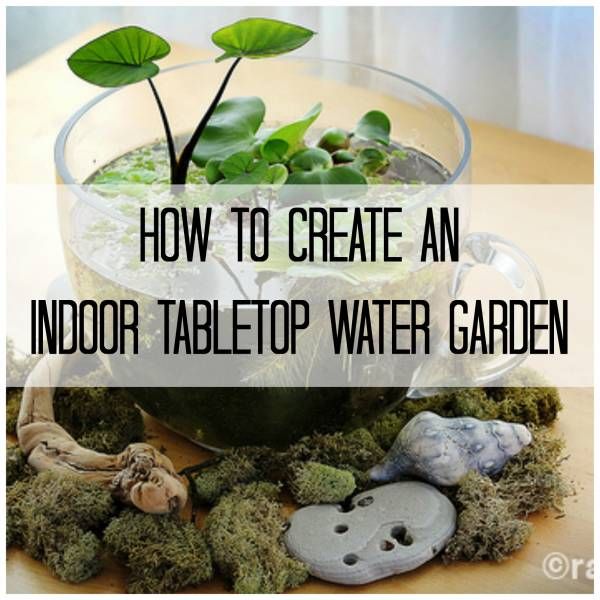


Whatever you choose, confirm that the container can support the weight of water and ornaments, especially if it will sit on a fragile shelf or narrow ledge. Test for leaks by filling it completely and letting it stand on a protected surface for several hours. An easy indoor water garden diy trick is to line the bottom with a thin layer of pebbles or activated charcoal to stabilize ornaments and improve water clarity. These small preparatory steps protect your furniture and extend the life of your display.
Selecting Water and Plants
Using clean water is a simple but critical part of indoor water garden diy success, particularly if you plan to include living plants or small aquatic creatures. Tap water often contains chlorine and other additives, so letting it sit for twenty four hours or using filtered water can reduce stress on delicate roots. For static displays without pumps, change the water every week or whenever it looks cloudy to prevent odors and algae. In more advanced setups, a small filter and air stone can keep the environment healthier with less frequent maintenance.
Choose plants that enjoy high moisture and low to moderate light, such as peace lilies, lucky bamboo, or small ferns, depending on your home conditions. Floating plants like water lettuce or duckweed are popular in larger glass setups, but they require more light and careful monitoring. If you prefer a completely non-living design, glass beads, colored water, and natural wood slices can still create a sophisticated indoor water garden diy aesthetic. Match plant size to container volume so roots have room to grow without overcrowding the space.


Building and Maintaining Your DIY Water Garden
Assembling your indoor water garden diy project is often the most enjoyable step, where your planning turns into a tangible centerpiece. Begin by placing the largest elements first, such as stones or driftwood, to establish the foundation of your design. Then carefully add water, using a slow stream to minimize splashing and unwanted bubbles. If you are including plants, position them so the roots are in contact with the water while the green parts remain above the surface. Adjust the arrangement until the composition looks balanced from every angle you are likely to view it.
After setup, monitor the water level daily, because evaporation can be surprisingly fast indoors, especially near heat or air flow. Top off with clean water as needed, and keep an eye on any changes in color or smell that might indicate bacterial growth. Trim dead or yellowing leaves promptly to maintain the health of living plants and the clarity of your indoor water garden diy display. A gentle wipe down of the container exterior and a brief rinse of any removable stones every couple of weeks helps the whole setup look fresh.
Routine Care and Algae Control
Routine care for an indoor water garden diy setup is mostly about observing small changes before they become problems. Keep a simple schedule to check water quality, remove debris, and refresh decorative elements like stones or moss. If algae appears, reduce direct sunlight, clean the container surfaces gently, and avoid overfeeding any fish or adding excess nutrients. Some people add a tiny amount of aquarium charcoal or snails to help manage algae naturally, especially in more complex systems.


Lighting is a major factor in algae growth, so if your indoor water garden diy sits in a bright window, consider using sheer curtains to soften harsh rays. For setups with pumps or hidden lights, inspect the equipment regularly for mineral buildup or worn parts. Quiet operation is part of the relaxing experience, so replace filters as recommended and keep intake tubes free from debris. Consistent, gentle maintenance ensures your display remains both beautiful and functional throughout the year.
Troubleshooting Common Issues
Even with careful planning, you might encounter issues such as cloudy water, floating debris, or plants that seem to struggle in your indoor water garden diy arrangement. Cloudiness is often caused by fine particles or bacterial blooms, and it usually clears once the system stabilizes or you perform a partial water change. If odors develop, remove any decaying plant matter and consider reducing the amount of organic material in the container. Sometimes simply giving the display a few days without extra feeding is enough to restore clarity.
Plants may drop leaves or show yellow tips if the water temperature, light, or nutrients are out of their ideal range. Move the container slightly away from drafts or direct heat sources, and avoid placing it where it will be bumped frequently. For more intricate designs with pumps, check that the flow rate is not too strong, which can stress delicate roots and scatter debris. Patience and small adjustments over time often resolve these problems without the need to restart your project.
Enhancing the Aesthetic and Functional Appeal
Once your basic indoor water garden diy system is running smoothly, you can refine its appearance with thoughtful accents and practical upgrades. LED tea lights, color changing bulbs, or discreet submersible pumps can add gentle movement and subtle glow after dark. Just be sure that any electrical components are rated for damp environments and installed according to safety guidelines. These small enhancements turn a simple bowl of water into a tranquil evening feature that you can enjoy while relaxing or working nearby.
You might also integrate a tiny air pump and diffuser to create a soft bubbling effect, which many people find soothing and beneficial for indoor air quality. Decorative frames, hanging elements, or small stands can raise the display to eye level, making it a more prominent part of your space. An indoor water garden diy project that combines these aesthetic touches with reliable function becomes more than a decoration; it turns into a daily reminder to slow down and appreciate simple natural patterns.
Final closing paragraph (No AI clichés, just a smooth, natural human conclusion)...
Starting an indoor water garden diy project connects you with the calming qualities of water and plants without demanding a large space or expert skills. As you experiment with containers, plants, and simple equipment, you will discover a routine that suits your lifestyle and aesthetic taste. Each adjustment you make, from water changes to the placement of stones, reinforces your personal sense of balance and creativity. Allow this evolving display to reflect your patience and curiosity, and let it quietly remind you that thoughtful design can bring a piece of nature into everyday life.
Related Articles

Stunning Cactus Garden Home Ideas for Easy Indoor Care
Bringing a cactus garden into your home is one of the simplest ways to add quiet, enduring beauty to everyday life. These resilient plants turn a sunny...

Stunning Succulent Garden Large Size Ideas for Easy Care and Vibrant Greenery
Creating a succulent garden large size arrangement brings a striking blend of texture, color, and low maintenance beauty to outdoor terraces, sunny balconies...

Stunning Garden Design Ideas With Water Features For Tranquil Outdoor Oasis
Creating garden design ideas with water features is one of the most rewarding ways to transform an ordinary outdoor space into a personal sanctuary. The gentle...

How to Draw a Garden Easy for Kids Step by Step Guide
Drawing a garden easy for kids turns a blank page into a cheerful scene of flowers, butterflies, and smiling suns. This simple step by step guide helps...

Stunning Garden Gate Ideas for Maximum Curb Appeal and Easy SEO
Your garden gate sets the tone for the entire outdoor space, acting as both a functional entry point and a stylish first impression. Selecting the right design...

Stunning Indoor Succulent Fairy Garden Ideas for a Magical Oasis
Creating an indoor succulent fairy garden brings a touch of wild magic into your home while showcasing the sculptural beauty of drought loving plants. These...