Brilliant Ideas For Shed Interior Design Storage Solutions
Transforming a basic shed into a functional and inspiring space starts with a clear vision for the interior. Whether your structure serves as a quiet home office, a creative studio, or a practical workshop, the way you arrange the walls and floor dramatically changes how you use the square footage.
With a little planning, even a compact shed can offer storage, comfort, and style without sacrificing accessibility. The right ideas for shed interior design focus on layout, lighting, and personalization to turn an overlooked structure into a favorite room in your home.
Defining the Primary Function
Before choosing colors or storage units, decide exactly what the shed will become, since this choice guides every other decision in the project. A workspace for remote work demands a reliable power source and organized desk area, while a pottery or metalworking shop needs sturdy flooring and ventilation.


For a gardening enthusiast, the priority might be potting tables and seed storage, whereas a collector may focus on secure display shelves and climate control. Clarifying the main activity helps you allocate space, select durable materials, and avoid costly changes later on.
Workstation Layouts
Placing a desk near a window maximizes natural light and reduces eye strain during long tasks, creating a calm and focused atmosphere. Consider situating a small meeting area or second workstation to turn the shed into a shared office zone for household projects.


Using modular shelves on one wall keeps essential tools and documents within reach while maintaining clear floor space for movement. Cable management solutions, such as routed conduits and adhesive clips, prevent wires from tangling and keep the environment safe and tidy.
Craft and Hobby Zones
Designate a specific craft table with built-in drawers for scissors, paints, and dies, so you can begin a project without hunting for supplies. Pegboard walls are ideal for hanging hooks, shelves, and baskets, making it simple to adapt the space as your hobbies evolve.
Rolling carts for paints, fabrics, or small parts offer flexibility, allowing you to move resources to the center of the room or tuck them away in a corner. Clear containers and labeled bins ensure that beads, threads, and patterns are visible and easy to grab when inspiration strikes.


Storage and Organization Systems
Efficient storage is the backbone of any successful interior plan, preventing clutter from turning the room into a chaotic maze. Vertical space is often underused, so tall shelving units and wall-mounted racks help you store items out of the walking path.
Stackable plastic bins, hanging organizers, and labeled jars work together to keep hardware, cables, and hobby supplies sorted by category. Investing in durable, transparent containers saves time searching and makes it simple to see when supplies are running low.
Shelving and Wall Solutions
Installing slatwall panels or track systems lets you rearrange hooks and baskets whenever your storage needs change. This approach is especially useful for a garage studio, where tools, bicycle gear, and sports equipment must coexist neatly.


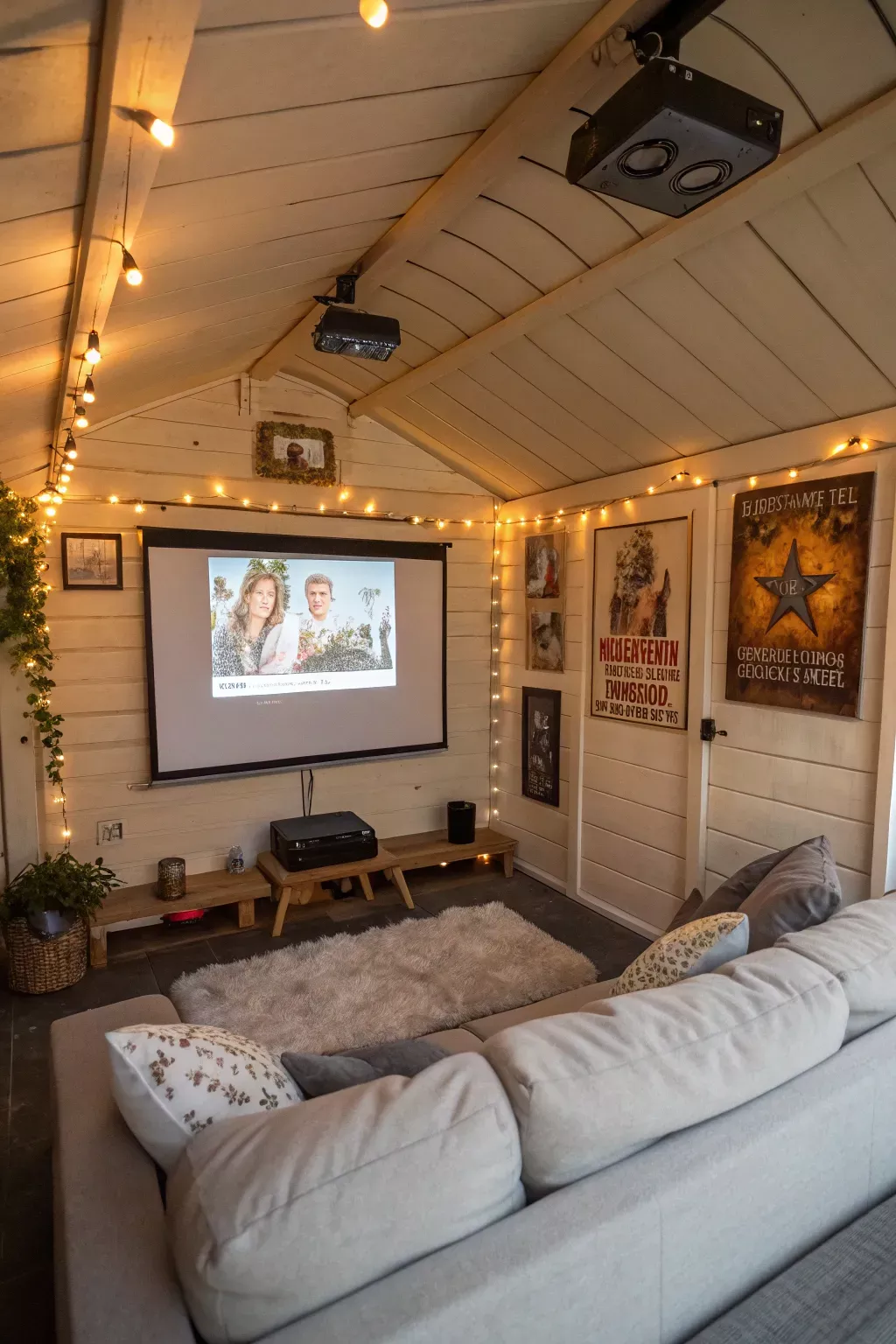


Corner shelves maximize awkward spaces, providing extra surface area for plants, photo frames, or decorative objects without blocking doorways. By positioning frequently used items at eye level, you reduce the need to move heavy boxes each time you visit the shed.
Overhead and Mobile Options
Ceiling-mounted racks are perfect for storing seasonal decorations, camping gear, or rarely used tools, freeing up prime floor space for daily activities. Pulley systems that glide along a track make it easy to lower heavy items safely without straining your back.
Rolling cabinets on low-pivot wheels offer both storage and mobility, allowing you to tuck workstations against the wall quickly when friends visit or when the space needs to be cleared. Covered bins on top of these units protect delicate materials from dust and moisture while keeping them within reach.
Lighting, Comfort, and Atmosphere
Good lighting is essential for both safety and productivity, yet it is often an afterthought in smaller structures. A layered approach that combines natural light, task lamps, and ambient fixtures ensures the room stays bright even on cloudy days.
Adjustable LED work lights, under-shelf strips, and pendant lamps above the desk can be tuned for reading, detailed assembly, or relaxing evening projects. By using warm white tones for comfort areas and cooler tones for task zones, you create an environment that supports different activities.
Temperature and Ventilation
Adding a compact heater, fan, or portable air conditioner helps the shed remain usable year-round, especially if it doubles as a workspace or fitness corner. Proper airflow prevents moisture buildup, protecting wooden walls and stored items from mold and rust.
Window vents or a simple exhaust fan can improve circulation without major renovations. Positioning a dehumidifier near sensitive equipment, such as electronics or musical instruments, extends their lifespan and keeps the air feeling fresh.
Flooring and Ergonomics
Anti-fatigue mats, interlocking tiles, or painted concrete surfaces make standing tasks more comfortable, reducing strain on joints during extended sessions. For a cozy reading nook or meditation corner, soft rugs add warmth and absorb sound, creating a quiet retreat.
Adjustable chairs and mobile worktables allow you to customize your posture and desk height, which is crucial for avoiding back pain. Small details like monitor arms, footrests, and keyboard trays contribute to a setup that feels professional and supportive.
As you refine these ideas for shed interior, remember that the space will grow with your needs and habits. Thoughtful planning today can turn a simple structure into a versatile sanctuary that supports work, creativity, and relaxation for years to come.
Related Articles

Cozy Garden Cabin Interior Design Ideas rustic charm & storage solutions
Transforming a simple forest retreat into a serene home away from home starts with thoughtful garden cabin interior design. Whether your goal is a quiet...

Small Garden Shed Interior Ideas Design Storage Inspiration
Transforming a small garden shed into a functional and inspiring space begins with understanding how every inch can serve a purpose. Many homeowners overlook...

101 Bike Shed Ideas: Creative Storage Solutions For Your Garden
Transforming a simple shed into a practical and inspiring bike storage sanctuary is one of the smartest upgrades any cycling enthusiast can make for their...

Clever Garden Shed Ideas Smart Storage Solutions
Every thriving outdoor sanctuary begins with a solid foundation, and a clever garden shed often provides exactly that starting point. This unpretentious...

Playroom Shelving Ideas Creative Storage Solutions For Kids Organized Design
Creating a playroom that balances fun, organization, and safety starts with the right storage foundation, and thoughtful playroom shelving ideas are absolutely...

Shed Yard Tool Storage Ideas: 10 Clever Solutions for Ultimate Organization
Keeping your shed yard organized is one of the most rewarding home improvement projects you can undertake, especially when you implement smart shed yard tool...