Fun Card Game Ideas To Make And Customize
Creating new card games is a rewarding way to bring people together around a table and exercise your creativity. Whether you are a hobbyist designer or a seasoned tabletop veteran, the process of imagining a fresh game can be surprisingly straightforward when you break it down into core mechanics. This article explores a variety of actionable ideas for card games to make, focusing on unique themes, player interaction, and accessible rules.
The best card game ideas often start with a simple question, such as what kind of experience you want your friends to have. Do you want a tense race against the clock, a battle of wits, or a cooperative challenge where everyone wins or loses together? By defining your goal, you can narrow down the endless possibilities and find a concept that feels both original and deeply satisfying to play.
Exploring Creative Themes and Settings
The theme of your game sets the stage for every decision you make, from art to card text. A strong theme helps players immediately understand the mood and goal of the experience, making the rules easier to grasp. When brainstorming ideas for card games to make, consider settings that are familiar yet ripe for imaginative twists.


For example, a game about managing a tiny café in a magical city can blend resource collection with quirky character interactions. Alternatively, a futuristic salvage mission where players compete to recover lost technology from derelict spaceships offers a sleek and tense atmosphere. These distinct backdrops ensure that even similar mechanics feel fresh and immersive.
Whimsical Fantastical Realms
A fantasy realm filled with mythical creatures is a classic playground for card design because the boundaries of reality are already stretched. You can focus on building a personal kingdom or battling rival factions using spells and summoned creatures. The flexibility of fantasy allows for wildly diverse card effects and surprising combos.


Imagine a game where players are rival wizards racing to construct the ultimate magical library. Each card represents a spell, a tome of knowledge, or a mischievous familiar. Resource management becomes the act of gathering ancient runes, and every turn presents a choice between offense, defense, or long-term strategy, making it a rich subject for your deck ideas.
Historical and Steampunk Intrigue
Drawing inspiration from history or steampunk aesthetics can give your card game a sense of weight and sophistication. Players might navigate political rivalries in a Victorian court or manage an industrial empire powered by steam and gears. The visual potential of brass, lace, and machinery is immense.
Consider a game centered around competing inventors showcasing their latest creations to a critical audience. Cards could represent prototypes, patents, and endorsements, creating a tight economic system. This setting naturally encourages cutthroat negotiations and clever planning, two elements that make for compelling gameplay.


Core Mechanics and Player Interaction
The heart of any card game lies in its mechanics, which dictate how players interact with the deck and each other. A strong mechanic is intuitive at first glance but offers enough depth to remain engaging over many plays. When generating ideas for card games to make, prioritize systems that create interesting decisions without overwhelming new players.
Focus on actions like drafting, set collection, or area control, as these translate well to a portable format. The goal is to ensure that every card in a player's hand has potential value, encouraging them to plan several turns ahead. Balancing luck and skill is crucial to keep the experience fair and exciting for everyone at the table.
Deck Building and Strategic Customization
Deck building is a immensely popular mechanic because it gives players agency in shaping their own strategy. In this style, players start with a basic deck and acquire new cards during the game, tailoring their approach to their available resources. This mechanic works beautifully for ideas related to entrepreneurship, monster taming, or quest preparation.
A game about assembling a dream team of athletes, where you draft players with different skills to compete in events, is a great example. Another option is a fantasy dungeon crawler where you recruit heroes and equip them with weapons and relics. The act of building your deck becomes a puzzle in itself, providing deep strategic satisfaction.
Cooperative Challenge and Shared Goals
Not all the best ideas for card games to make involve players fighting against one another. Cooperative games foster teamwork and create memorable shared narratives, as the group works toward a common objective. These games are excellent for bringing different skill levels to the table and reducing player elimination.


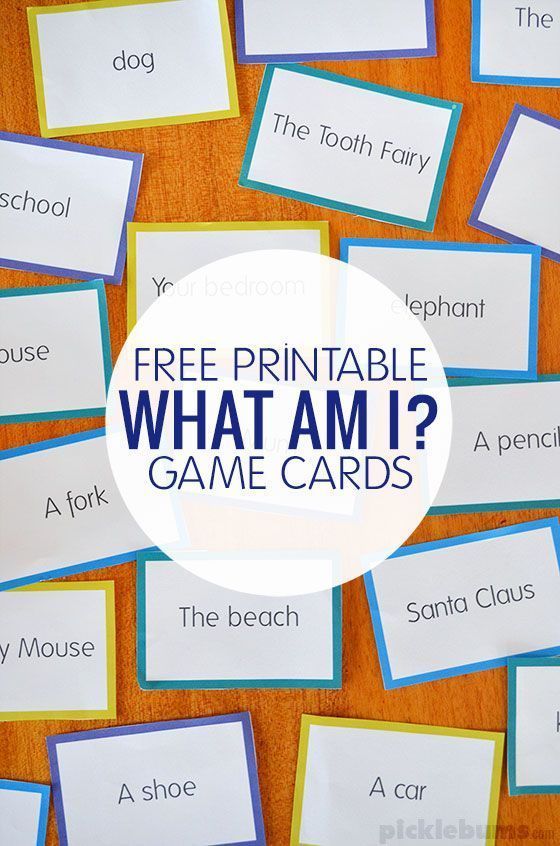


You could design a game where players are astronauts stranded on a hostile moon, needing to gather supplies to signal for rescue. Another concept might be a group of thieves trying to pull off the perfect heist while navigating security systems. The tension of a ticking clock or a rising threat unites the players in a thrilling race against the deck itself.
Visual Design and Thematic Polish
Once the rules are solid, the visual presentation is what will ultimately capture an audience and make your card game ideas stand out on a shelf or online. High-quality art, clear typography, and a cohesive color palette transform a functional prototype into a professional product. Investing time in aesthetics pays off in player engagement.
Consider the target audience for your game; bright, cartoonish art will appeal to families, while minimalist and moody illustrations might attract strategy enthusiasts. Ensuring that every card is legible at a glance, with distinct fonts and icons, prevents confusion and keeps the flow of the game smooth and enjoyable.
Playtesting and Iteration Process
No matter how brilliant an idea seems on paper, rigorous playtesting is essential to refine your creation. Testing reveals confusing rules, unbalanced powers, and unexpected strategies that you might not have considered. Watching friends play your game provides invaluable data on pacing and fun factor.
Start by playing with a small group and take detailed notes on every hiccup or moment of boredom. Adjust card text, tweak numbers, or simplify complex interactions based on this feedback. Each iteration should bring you closer to a stable and enjoyable experience that feels polished and complete.
Packaging and Distribution Considerations
A sturdy and attractive box is the final touch that elevates a homemade card game into a professional product. The box should protect the components while also hinting at the game's theme and complexity. Slim packaging can be a practical solution for prototypes, but a full box enhances the perceived value significantly.
For those looking to share their work beyond a circle of friends, exploring print-on-demand services or local card shops can be a great next step. Understanding manufacturing costs and setting a competitive price ensures that your labor is rewarded. Sharing your journey through social media can build an audience eager to support your first official run.
Related Articles

Creative Board Game Ideas to Make for School Projects SEO Friendly Projects
Turning a standard school project into an engaging experience is easier when you design board game ideas to make for school projects, because this approach...

Simple Wedding Card Ideas Free Elegant Designs Easy To Customize
Planning a wedding involves countless decisions, and the invitations are often the first glimpse guests get of your special day. Creating beautiful wedding...

Master Yahoo Games Spades Online: Play Free Card Game Anytime
Yahoo Games Spades Online offers a convenient way to enjoy the classic card game from any connected device. This digital version brings the traditional...

Simple Games for a Booth: Fun and Easy Booth Game Ideas
Simple games for a booth create an inviting atmosphere that draws people in without overwhelming your space or budget. Whether you are running a community...

Cool Bookmark Ideas to Make and Customize
Finding a cool bookmark to make is a rewarding way to add personal flair to your reading routine. A custom bookmark can reflect your style and turn an ordinary...

Stunning Menu Card Design Ideas to Elevate Your Brand吸引力
Creating an effective menu card design is about more than just listing dishes and prices; it is a strategic tool that shapes perception and drives sales. A...