The Ultimate Guide How to Organize Tools in a Drawer Clever Hacks
Keeping a cluttered drawer feels like a small daily frustration, yet a well organized tool drawer turns every repair and project into a smooth, frustration free experience. This straightforward guide walks through practical methods to arrange your tools so you can find what you need the moment you need it. By focusing on clear zones, smart storage, and consistent habits, you transform a jumbled space into a reliable part of your workflow.
Before diving into fancy inserts or custom trays, it helps to see the reality of what is actually stuffed into the space. Most drawers hold a mixed collection of crucial everyday drivers, specialty bits, fasteners, and odds and ends that rarely get used but quietly take up room. A successful setup respects that mix by giving each category a logical home while still keeping the system simple enough that you will actually maintain it over time.
Planning Your Layout And Priorities
The first step toward a calm workspace is deciding which tools truly belong in the drawer and which should live elsewhere. Start by clearing everything out, grouping like items together, and then asking whether each piece earns its spot in this prime real estate. Items you reach for multiple times per day deserve the easiest access, while seldom used backups can be placed deeper in the drawer or moved to another storage area.


Another key priority is protecting both your tools and your projects from damage. Sharp edges, loose screws, and long driver bits can quickly tangle together or scratch surfaces if they are simply tossed in. Early decisions about how to separate metal from wood working accessories, and how to keep fasteners from spilling, make the later organizing steps much faster and more effective.
Sorting By Frequency Of Use
One of the most reliable ways to arrange tools is to place the ones you use every day at eye level or within easy finger reach. This often includes a short selection of driver bits, a few versatile screwdrivers, and your go to fasteners because you grab them for almost every task. By front loading the drawer with these high frequency items, you avoid rummaging and reduce the risk of knocking other tools to the back each time you open the drawer.


Less common tools, such as specialty adapters, niche measuring devices, or replacement parts, are better positioned toward the sides or the back of the drawer. You still want them visible and retrievable, but they do not need to compete for space with the instruments you handle constantly. This frequency based sorting naturally creates a gentle gradient in the drawer, from most used to occasional use.
Separating Function Categories
Beyond frequency, grouping tools by their main function makes it easier to remember where you left something and to quickly return items after a project. For example, keeping all driving tools together, cutting tools in their own zone, and measuring instruments in a separate corner reduces mental clutter. When everything has a named neighborhood, you and anyone else who uses the drawer can develop a shared understanding of where things live.
Consider also the physical compatibility of items when you define these categories. Long rulers and flexible tapes often do better on a side with more flat space, while small power accessories and spare blades may need dedicated compartments to prevent dangerous contact. Thoughtful separation based on both function and physical safety pays off every time you open the drawer.


Choosing And Arranging Storage Solutions
Off the shelf organizers, custom 3D printed trays, or simple cardboard compartments can all work, as long as they match the contents they hold. Dividers that keep screws, nails, and tiny parts from mixing together save a huge amount of searching time, especially on fast paced projects. The best storage solutions feel tailored to your specific collection, even if they are only inexpensive plastic boxes or repurposed household containers.
When you install new organizers, it is helpful to label or visually signal what belongs in each section. Color coded trays, handwritten labels, or even a simple photograph of the finished arrangement can help household members quickly return items to the right spot. Clear visual cues turn a neat layout into a lasting system that stays consistent after each use.
Utilizing Vertical And Adjustable Space
Many drawer organizers are too tall for the available space, which forces you to either stack tools or abandon useful capacity above the bins. Shallow trays or multi level organizers can unlock extra room by using vertical space more efficiently, so you store more without making the drawer hard to close. Adjustable solutions that let you move dividers or add shallow layers are especially valuable as your tool collection evolves.


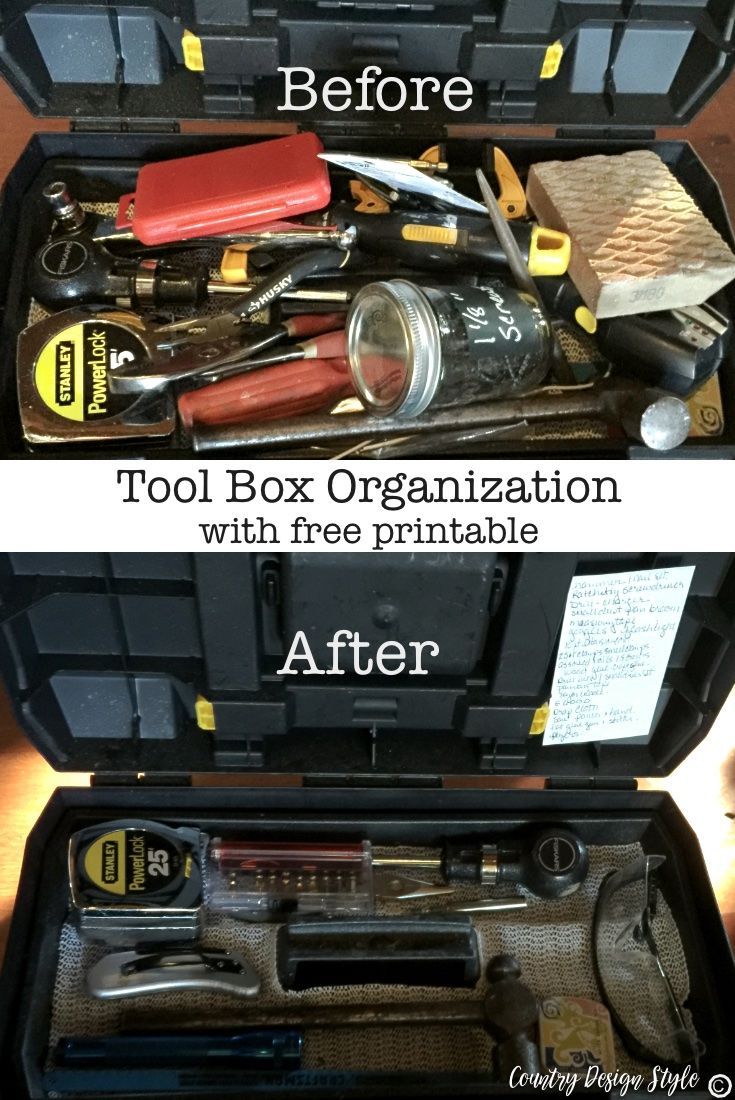


Another option is to add a slim vertical pocket or narrow sleeve along the inner edge of the drawer, where you can slide frequently used tape measures, rules, or small manuals. These edge zones are often overlooked, yet they provide quick access to items that you need for layout and marking work. Using height and edge space thoughtfully keeps primary tools in easy reach while still protecting them from being crushed under heavier equipment.
Protecting And Maintaining Tools In Drawer Storage
Even the best layout will deteriorate if sharp tools are left loose to bang against delicate instruments or coated surfaces. Foam lined trays, padded dividers, or individual padded sleeves can soften impacts and stop metal edges from scratching sockets, saw blades, and measurement scales. Taking these protective steps extends the life of your tools and keeps the drawer quiet and pleasant to use.
Regular maintenance, such as a quick visual check and a brief wipe down after heavy projects, prevents grime from building up inside the compartments. If fasteners or small parts show signs of wear or if moisture is a concern, consider adding a low tech desiccant packet to reduce rust. Simple routines like these complement the physical layout and help your organized setup continue working smoothly.
Designing a tool drawer that works for your habits is a practical project that pays off every time you open it to fix something, build, or measure. Thoughtful sorting, clear zones, and protective storage mean you spend less time searching and more time making progress on the task at hand. Over time, the system becomes second nature, keeping your workspace efficient and ready for whatever comes next.
Related Articles

How to Organize Tools in Garage Reddit: The Ultimate Storage Hacks
Trying to organize tools in garage reddit can feel overwhelming when you scroll through endless images of cluttered spaces and confusing DIY fails. Many...

The Ultimate Guide to Organizing Lawn Tools in Shed SEO Tips
Keeping your lawn tools organized in the shed saves time and reduces frustration every time you head outside to work in the yard. A messy shed makes it hard to...
DIY Storage for Garden Tools: 10 Clever Ideas to Organize Your Yard
Creating an efficient diy storage for garden tools is one of the smartest moves a home gardener can make to protect investments and streamline every session. A...

The Ultimate Guide to Organizing Shelves in Garage Storage Solutions
Organizing shelves in garage spaces can transform a chaotic storage area into a highly functional extension of your home. A well arranged garage shelf system...

Master Garden Hand Tools: The Ultimate How To Use Guide For Beginners
Learning how to use garden hand tools transforms a simple weekend chore into a rewarding craft that connects you directly with the rhythm of nature. Whether...

What Size Drawer Pull to Get: The Ultimate Sizing Guide
Choosing the right size drawer pull is one of those small details that has a huge impact on how finished and polished your space feels. The wrong handle can...