How to Make Mini Brands: The Ultimate Guide to Building Your Own Tiny Empire
Building your own mini brand is one of the most exciting ways to turn a simple idea into a recognizable presence in the marketplace. Whether you are crafting handmade goods, offering local services, or curating digital products, a mini brand helps you stand out by giving your work a distinct personality and story. This journey blends creativity with strategy, allowing you to communicate clearly with your audience while staying true to your vision.
Unlike a casual side hustle, a mini brand is built on intention, from the products you offer to the way you speak to your customers. It invites you to think like a small business owner while keeping the process approachable and hands on. By defining your niche, refining your visual identity, and connecting with people through thoughtful messaging, you can grow something that feels both personal and professional.
Clarify Your Core Idea and Audience
The foundation of any strong mini brand starts with clarity about what you offer and who you serve. Instead of trying to appeal to everyone, focus on a specific problem you solve or a unique feeling you bring to your customers. This focus becomes your guiding compass for product decisions, marketing messages, and day to day choices.


To define your core idea, write a short sentence that describes the main benefit you provide. Then pair it with a clear description of your ideal customer, including their interests, challenges, and where they spend their time online. The more specific you are, the easier it becomes to design experiences that feel tailor made for the people you want to reach.
Define Your Product Scope
Start by listing the products or services you are most passionate about, then narrow that list to your very best offerings. A focused range is easier to promote, simpler to manage, and stronger as a brand signal than a wide but inconsistent assortment. Think about which items you can deliver with reliable quality and genuine enthusiasm.


Consider how each product fits into your customer's life and how it reflects your brand values. Whether you specialize in custom accessories, digital templates, or local consultancy, align your offerings with the story you want to tell. This alignment helps you make confident decisions about pricing, packaging, and expansion later on.
Understand Your Ideal Customer
Create a simple profile of your ideal customer by noting their age range, lifestyle, values, and the language they use when talking about similar products. Observe real conversations in online communities, reviews of competing brands, and questions people ask to uncover their deepest needs and frustrations.
Use these insights to shape your brand voice, visuals, and the benefits you highlight in your messaging. When your audience feels that you truly understand them, they are more likely to trust you, recommend you, and come back for future offerings.


Build a Distinct Visual Identity
Your visual identity is the face of your mini brand, turning abstract ideas into recognizable symbols that people can remember. A coherent palette, typeface, and style make your work instantly identifiable across photos, packaging, and social posts. Investing time here pays off as your brand becomes more professional and polished.
Start by choosing two or three colors that match the mood you want to convey, such as calm, energetic, or luxurious. Combine them with a clean font for headings and one readable font for body text, and create a simple logo or signature mark that reflects your core idea. Consistency in these elements builds familiarity and trust over time.
Design Simple, Memorable Packaging
Even on a small scale, packaging shapes how customers perceive your care and attention to detail. Use sturdy materials, clear labels, and a touch of design that reflects your personality, such as a hand drawn icon or a distinctive border. Thoughtful packaging turns an ordinary item into something people want to show off.


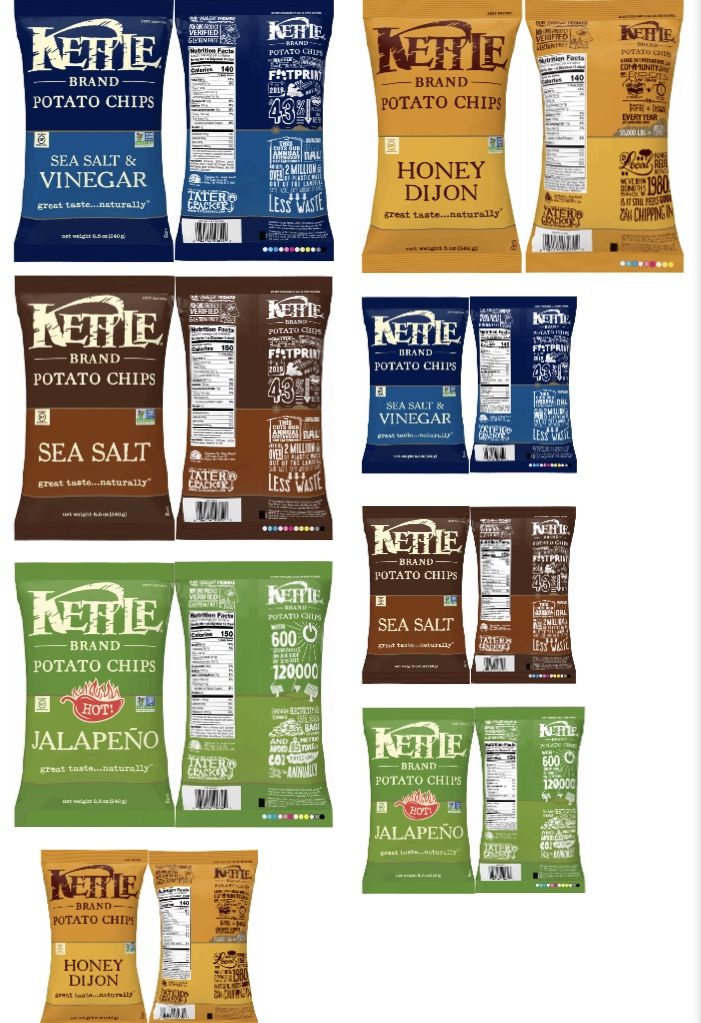

Consider how your packaging will look in photos, on store shelves, and in unboxing experiences shared online. A simple thank you note or usage tip can add a personal touch that deepens the emotional connection and encourages repeat purchases and word of mouth.
Develop a Cohesive Digital Presence
Your website or online shop should echo the same visual language you use offline, with a clean layout, readable text, and images that showcase your products at their best. Consistent buttons, spacing, and color usage make navigation intuitive and reinforce your brand memory.
Social media profiles should also follow the same visual rules, from profile pictures to cover images and post templates. A unified look across platforms helps new visitors instantly recognize your brand and understand what you stand for.
Craft Clear Messaging and Storytelling
Strong messaging goes beyond a catchy slogan; it communicates the heart of your brand in a way that feels human and relatable. Your words should explain what you do, why it matters, and how it makes your customers feel. When your tone matches your audience's expectations, communication becomes natural and persuasive.
Write a few short sentences that capture your brand promise, such as emphasizing sustainability, craftsmanship, convenience, or creative expression. Use these lines across your website, product descriptions, and marketing copy so that people encounter a consistent personality wherever they interact with you.
Tell Your Origin Story
Share why you started creating in the first place, whether it was to solve a problem, pursue a passion, or honor a family tradition. A genuine story gives people a reason to root for you and helps them connect your brand with real human values.
Include small details about your process, inspiration, or challenges overcome, because these nuances make your journey feel relatable and trustworthy. When customers understand your dedication, they appreciate your work more and are often willing to support you at a higher level.
Communicate Benefits Clearly
Instead of listing features, describe how your products improve your customer's daily life, save them time, or help them express their individuality. Use simple language that your ideal customer can easily understand, avoiding jargon that might create distance.
Test different ways of explaining your value by asking friends or early customers what resonates most. Their feedback will help you refine your messaging so that it feels intuitive and compelling, making it easier for people to choose you again and again.
Validate Your Idea and Start Small
Before investing heavily, test your concepts with a small audience to see what excites them most. Offer a limited collection, run a simple online campaign, or participate in a local market to gather real world feedback. This step reduces risk and highlights what truly resonates.
Pay attention to which products, messages, and channels generate the strongest response, and use that information to refine your focus. Starting small lets you iterate quickly, correct mistakes early, and build a solid foundation before scaling up.
Set Up Basic Operations
Establish clear processes for managing orders, communicating with customers, and handling payments, even if they are simple at first. Reliable operations reduce stress, help you maintain quality, and show professionalism from day one.
Document these steps in a straightforward system that you can follow consistently, such as a checklist for packaging and shipping or a template for order confirmations. Over time, these habits become second nature and free you to focus on growth.
Collect Feedback and Iterate
Ask customers questions about their experience, what they liked, and what could be improved, and be open to honest answers. Use this information to refine your products, adjust your messaging, and enhance the overall customer journey.
Treat every piece of feedback as a chance to learn, even if it is not what you want to hear. Small, steady improvements based on real data are more effective than guessing what might work.
As your mini brand evolves, keep experimenting with new ideas while staying grounded in the strengths that first connected you with your audience. You can gradually expand your collection, refine your storytelling, and explore new channels while preserving the personal feel that makes your work special. By treating your brand as a living project, you create space for long term growth that stays aligned with your goals and values.
Related Articles

Mini Brands Mini Mart Set Up: Your Ultimate Guide to Launching a Profitable Tiny Store Business
Launching a mini brands mini mart set up is an exciting way to enter the retail world without needing a massive budget or a huge footprint. This compact format...

Mini Brands Makeup: Ultimate Guide to Finding the Best Tiny Treasures
Mini brands makeup represents a fascinating segment of the beauty industry that captures the imagination of collectors and makeup enthusiasts alike. These...

The Ultimate Guide to Building Your Dream Outdoor Kitchen Space
An outdoor kitchen turns your backyard into the heart of the home, giving you a dedicated place to cook, entertain, and relax under the open sky. Whether you...

Maximize Your Space: The Ultimate Guide to How to Make a Vegetable Garden in a Small Space
Growing your own vegetables in a small space is more achievable than you might think, especially when you focus on smart design and season extension...

Building a Garden Train: The Ultimate Guide to DIY Model Railroads in Your Backyard
Building a garden train can transform a simple backyard into a mesmerizing miniature world that captivates visitors of all ages. This ambitious project blends...

Garden of Cards: The Ultimate Guide to Building Your Dream Deck
Few images capture the fragile beauty of human creativity as instantly as a garden of cards standing in careful, shimmering rows. This delicate arrangement...