How to Make an Indoor Water Garden: Simple DIY Steps
Creating an indoor water garden is a serene way to bring the soothing presence of nature directly into your home, transforming any space into a tranquil retreat. This guide walks you through the entire process, from selecting the right container to maintaining healthy aquatic life, ensuring your indoor oasis thrives for years.
Unlike a simple fishbowl, a thoughtfully designed indoor setup incorporates living plants, beneficial bacteria, and often gentle water movement to mimic a natural ecosystem. This approach not only enhances visual appeal with lush greenery and shimmering water but also creates a healthier environment for your finned companions by stabilizing water quality.
Planning Your Indoor Aquatic Oasis
The first step in learning how to make an indoor water garden is careful planning, which involves assessing the available space and the specific requirements of potential inhabitants. You need to consider the dimensions of the area where the garden will reside, as this dictates the maximum size of the container you can comfortably accommodate.


Additionally, think about the visual style you want to achieve, whether it is a minimalist Zen aesthetic with a single elegant lily or a vibrant jungle-inspired scene with diverse flora and fauna. This initial planning phase is crucial for setting realistic expectations and avoiding common pitfalls associated with space constraints or incompatible species.
Choosing the Right Container
Selecting an appropriate vessel is fundamental when you make an indoor water garden, as it forms the literal and visual foundation of your project. Glass aquariums are popular for their clarity and durability, offering excellent visibility of roots and rocks, while bowls and ceramic pots can provide a more artistic, focal-point appearance.


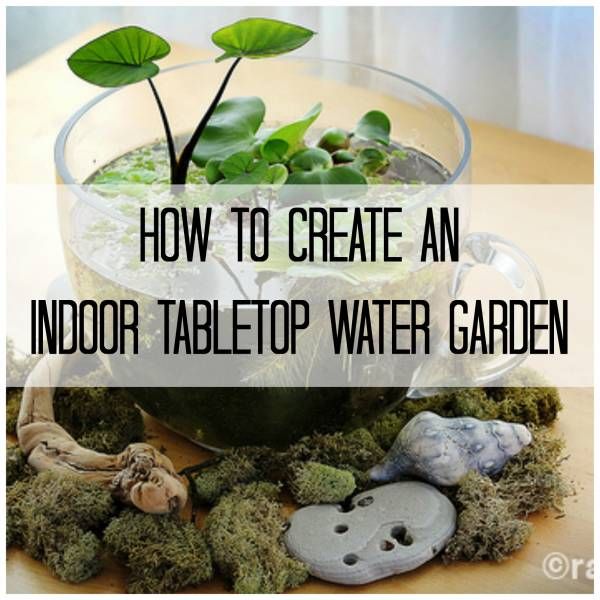
Whichever material you choose, ensure it has a sufficient volume of water to dilute waste products and maintain stable temperature and pH levels; a general rule of thumb is that larger volumes are significantly easier to manage than small ones. Avoid containers made of reactive metals or porous materials that could alter the water chemistry or degrade over time.
Understanding Light and Location
Proper lighting is a critical factor in success, directly impacting the photosynthetic processes of your plants and the overall health of the ecosystem. Most aquatic plants require bright, indirect light for approximately 8 to 12 hours daily to thrive without encouraging excessive algae growth.
Placing your garden near a window can provide natural light, but be mindful of intense direct sunlight, which can overheat the water and promote algae blooms. If natural light is insufficient, investing in high-quality LED aquarium lights designed to simulate the full spectrum of sunlight is a highly effective alternative.


Building the Ecosystem
Once the physical container is selected and positioned, the next phase involves building the biological ecosystem, which is the heart of any healthy water garden. This system relies on beneficial bacteria to break down harmful toxins like ammonia and nitrite, making the environment safe for plants and fish.
You will need to establish this biological filter gradually, a process known as cycling, before adding any living creatures. This patience-building period ensures that the water parameters stabilize and creates a safe habitat for your future inhabitants.
Selecting Aquatic Plants
Choosing the right plants is essential when you design an indoor water garden, as they provide oxygen, absorb nutrients, and create a natural habitat. Good beginner options include hardy species like Anubias, Java fern, and various Cryptocorynes, which are known for their resilience in indoor conditions.


These plants typically thrive in the stable temperatures of a home environment and do not require high-intensity lighting, making them perfect for novice gardeners. Avoid highly demanding aquatic species initially, as they are more sensitive to water quality fluctuations common in smaller indoor setups.
Introducing Beneficial Bacteria
To kickstart the nitrogen cycle and prevent dangerous ammonia spikes, you must introduce beneficial bacteria into the water. This can be done naturally by adding a handful of mature substrate from an established aquarium or by purchasing liquid bacterial starters available at pet stores.
This step is non-negotiable for the long-term health of the garden, as it jumpstarts the ecosystem's ability to process waste. Without these microscopic helpers, even small amounts of fish waste or decomposing plant matter can quickly poison the environment.
Adding Life and Finalizing the Setup
After the water chemistry has stabilized and plants are established, you can consider adding aquatic life to complete the dynamic nature of your indoor water garden. Fish and snails are popular choices that contribute to the ecosystem by consuming algae and leftover food.
However, it is vital to select species suitable for small, indoor environments to avoid overcrowding and stress. Always research the adult size and temperament of any potential inhabitants to ensure they are compatible with your specific setup.
Choosing Compatible Fish
For smaller containers, peaceful species like dwarf shrimp or snails are often the best choice, as they help clean the glass and substrate without producing excessive waste. If you opt for fish, consider tiny schooling species such as Chili Rasboras or Pygmy Corydoras catfish, which thrive in groups and adapt well to confined spaces.
Avoid large, aggressive, or messy fish like goldfish or cichlids, as they produce far more waste than a small indoor system can handle, leading to constant maintenance and health issues. The goal is to create a balanced micro-community where inhabitants support rather than stress the environment.
Maintaining Water Quality
Ongoing maintenance is the final pillar of success, requiring regular observation and simple tasks to keep the garden thriving. This includes checking the water temperature, ensuring the filtration system (if used) is functioning, and top off the water level as evaporation occurs.
Perform partial water changes every one to two weeks, replacing about 10 to 20 percent of the total volume with dechlorinated water to remove accumulated nitrates. Consistent care ensures that your indoor water garden remains a vibrant and healthy display of natural beauty.
By following these detailed steps, you cultivate not just a decorative feature but a living, breathing ecosystem that brings peace and natural beauty into your daily life, inviting you to pause and appreciate the delicate balance of nature right inside your home.
Related Articles

Easy Garden Drawing Tutorial Simple Steps For Beginners
Creating a drawing of a garden easy is a wonderful way to bring the beauty of nature to your page without needing advanced artistic skills. This simple...

How to Make a Garden Arch with Cattle Panel: Simple DIY Guide
Building a garden arch with a cattle panel is one of the most rewarding projects for any DIY enthusiast looking to add vertical interest and structure to their...

How to Make a Mini Zen Garden: Easy DIY Steps
Creating a mini zen garden is a simple and rewarding way to bring a sense of calm into your home or office space. This compact landscape captures the essence...

How to Build Garden Steps on a Slope: Easy DIY Guide
Creating garden steps on a slope transforms a challenging hillside into a safe and inviting walkway. A well designed path guides the eye and makes every visit...

Easy Garden Fence Build: Simple DIY Steps for Beginners
Building an easy garden fence is one of the most rewarding ways to define your outdoor space and boost curb appeal. This straightforward project transforms a...

How to Build a Garden Trellis with Bamboo: Easy DIY Steps
Creating a garden trellis out of bamboo is an excellent way to add vertical interest, support climbing plants, and bring a warm, natural aesthetic to any...