How to Make a Vegetable Garden Plan: Step-by-Step Guide for Beginners
Creating a thoughtful vegetable garden plan turns the dream of homegrown meals into a clear, actionable roadmap for success. Instead of scattering seeds and hoping for the best, a solid plan helps you organize space, choose the right crops, and manage your time efficiently from season to season. This guide walks you through each step of designing a layout that fits your lifestyle, whether you have a sprawling backyard or a modest balcony.
A good plan considers the unique conditions of your site, the edible crops you love, and the amount of effort you are willing to invest. By answering a few simple questions about sunlight, soil, and schedule, you can avoid common frustrations and enjoy a steadier harvest. Think of your plan as a living blueprint that you can refine year after year, adjusting as you learn what thrives in your garden.
Designing Your Garden Space
The first step in any vegetable garden plan is to evaluate your site and decide on the best arrangement for beds, paths, and support structures. Observing how sun moves across your yard throughout the day will highlight the areas that receive the most direct light and the spots that stay in shade. Mapping these zones helps you place sun-loving crops like tomatoes and peppers where they can maximize growth, while reserving shadier areas for more forgiving leafy greens or herbs.


Beyond sunlight, you should also account for practical elements such as access to water, drainage after rain, and protection from strong winds. Choosing a layout that minimizes wasted space and reduces the need to step on soil will help prevent compaction and make maintenance more comfortable. Raised beds, in-ground rows, or container groups can all work, as long as the structure supports healthy roots and efficient watering.
Selecting Crops and Varieties
Choosing the right vegetables starts with listing the crops you actually enjoy eating and using regularly, because there is little point in growing food you will not consume. Consider each crop's season length, climate preferences, and space requirements, and compare early, mid, and late varieties to spread out your harvest. Mixing fast-maturing radishes or lettuce between slower crops like broccoli or cauliflower can help you make the most of limited room and extend the picking period.


It is also wise to balance familiar staples with one or two experimental varieties that intrigue you, while keeping an eye on disease resistance and local growing reports. Compact or dwarf types are useful when space is tight, while vining crops such as beans and cucumbers can be trained upward on trellises to save ground area. A thoughtful selection of varieties suited to your climate will reduce stress and increase the likelihood of a steady, resilient harvest.
Planning for Succession Planting and Crop Rotation
Succession planting involves timing your sowings so that new crops replace harvested ones, keeping your garden productive across multiple waves of the season. By staggering plant dates for quick crops like radishes, spinach, and salad mix, you can avoid gluts and ensure a continuous supply of fresh produce. This approach also helps you make the most of each square foot, turning a single-season bed into a multi-stage harvest system that aligns with your table and preservation needs.
Crop rotation, on the other hand, means moving plant families around from year to year to reduce soil-borne diseases and pest buildup. Grouping crops such as tomatoes, peppers, and eggplants into the same family, and then avoiding that bed for related plants the following season, helps maintain soil health and lowers the need for chemical interventions. Combining these strategies in your vegetable garden plan creates a system that is both productive and sustainable over the long term.


Refining Your Plan with Details
Once the broad layout and crop choices are set, it is helpful to translate them into a concrete schedule, including when to start seeds indoors, when to transplant, and when to direct sow. A timeline that accounts for your last frost date, germination temperatures, and expected maturity allows you to coordinate tasks and avoid planting at the wrong time. Digital calendars, garden journals, or simple spreadsheets can turn this schedule into a practical tool that keeps you on track through each season.
Spacing and companion planting are equally important details that affect both yield and plant health. Giving each vegetable enough room to develop leaves and roots reduces competition for light, water, and nutrients, which in turn lowers stress and susceptibility to pests. Strategic placement of aromatic herbs or flowers can attract pollinators and beneficial insects while deterring problematic pests, creating a more balanced garden ecosystem.
Organizing Maintenance Tasks
A realistic maintenance plan is the backbone of a thriving vegetable garden, covering watering, weeding, mulching, and pest monitoring. Drip irrigation or soaker hoses, combined with a layer of organic mulch, conserve moisture, suppress weeds, and keep foliage drier, which reduces disease pressure. Breaking these tasks into a weekly or biweekly routine allows you to stay ahead of problems instead of reacting to them in crisis mode.


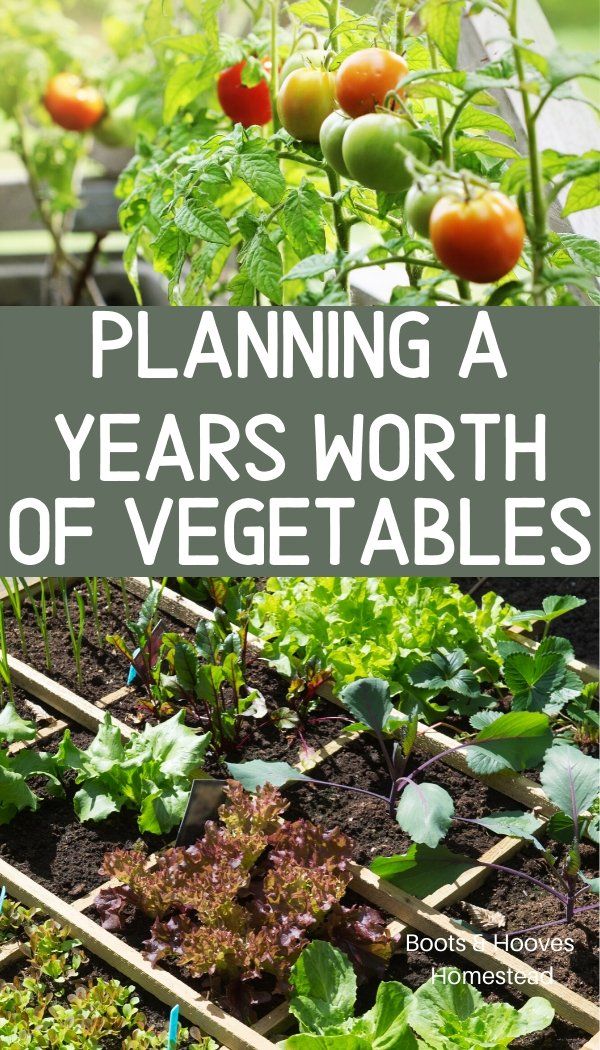
Seasonal chores such as soil testing, compost incorporation, and cover cropping should also be included in your vegetable garden plan to preserve fertility and structure. Adding organic matter before each new cycle improves water retention and nutrient availability, while cover crops in the off season protect the soil from erosion. By scheduling these activities in advance, you turn garden care into a series of manageable, repeatable habits rather than a scramble at the last minute.
Using Tools and Adjusting Over Time
Leveraging simple tools like graph paper, garden planning apps, or online grid generators can help you visualize spacing, pathways, and crop rotation more clearly. Many digital tools let you drag and drop plant icons, calculate square-foot numbers, and set reminders for key dates, turning your initial sketch into an interactive blueprint. However you choose to design your plan, the key is to record it in a way that remains easy to update as your preferences or site conditions change.
Observing how each season unfolds gives you valuable feedback to refine your vegetable garden plan for the next year. Note which varieties performed best, where shading changed due to new growth or structures, and which tasks consistently required more time. Adjusting spacing, crop families, and planting dates based on this real-world experience turns every year into a step toward a more efficient and enjoyable garden that truly fits your life.
By combining careful observation with a clear schedule and a flexible layout, your plan becomes more than just a drawing on paper, it becomes a practical guide that supports healthy plants and a satisfying harvest. Revisiting your goals each year and tweaking details ensures that your garden continues to align with your tastes, space, and available time. With a well-designed plan in hand, you can move forward confidently, season after season, knowing that every thoughtful decision today will support abundance tomorrow.
Related Articles

How to Make a Garden Bed in Ground: Step-by-Step Guide for Beginners
Creating an in ground garden bed is one of the most rewarding ways to transform a patch of earth into a thriving source of food, color, or calm, and this...

How to Make a Small Garden for Beginners: Easy Step-by-Step Guide
Starting a small garden for beginners is one of the most rewarding ways to bring beauty, fresh food, and calm into everyday life. You do not need a large yard...

How to Make a Level Garden Bed: Step-by-Step Guide for Beginners
Creating a level garden bed is one of the most effective ways to improve drainage, enrich your soil, and bring structure to your outdoor space. This method...

How to Plan Your Garden Layout for Beginners: Easy Step-by-Step Guide
Planning your garden layout for beginners is an exciting step toward creating a peaceful outdoor retreat and growing your own food. A well thought out plan...

How to Plan a Flower Garden Bed Layout for Beginners: A Simple Step-by-Step Guide
Planning a flower garden bed layout for beginners is an exciting way to bring color, life, and personal style to your outdoor space. With a little guidance...

How to Make a Garden Patch: Your Step-by-Step Guide to a Thriving Oasis
Creating a garden patch is a rewarding way to connect with nature and enjoy fresh produce right outside your door. This simple outdoor space allows you to grow...