How to Make a Bog Garden UK: The Ultimate Step-by-Step Guide
Creating a bog garden in the UK is a rewarding way to bring a touch of wild, wetland charm to your outdoor space while supporting a rich variety of native plants and insects. This approach uses a simple technique to replicate the natural conditions found around ponds and streams, allowing you to grow moisture loving species that would struggle in a standard border. Unlike a formal pond, a bog garden holds moisture without being a deep pool of water, making it a practical and attractive feature for a typical British garden. It offers a low maintenance habitat that looks stunning from early summer through to late autumn with lush foliage and evolving structure.
The concept works by creating a shallow depression that is lined to prevent water from draining away too quickly, filled with a mix of soil and grit, and kept consistently damp rather than waterlogged. This environment is perfect for a diverse range of herbaceous perennials, ferns, and even a few shrubs that thrive in cooler, wetter feet. If you have a pond, you can link the two features so that excess water from the pond gently feeds the bog, creating a harmonious aquatic ecosystem. For many UK gardeners, it becomes a peaceful corner where the sounds of buzzing insects and croaking amphibians replace the noise of everyday life.
Planning Your Bog Garden Location
The success of your project starts with choosing the right spot, and in the UK climate, partial shade is often ideal to prevent the soil from drying out too quickly in summer. You can site it near an existing pond to create a natural water gradient, or position it in a lower part of the garden where water naturally collects. Sunlight is still important, so aim for a location that receives at least some direct light, even if it is dappled through trees or around the side of a building. Accessibility is another factor to consider, because you will need to reach the area regularly to manage the soil and remove any weeds that compete with your chosen moisture loving plants.


Once you have identified a suitable area, mark out the shape of the garden using a hosepipe or rope to visualise the final form. A gentle slope leading into the pond works particularly well, allowing water to trickle down and maintain consistent moisture levels. Consider the surrounding style of your garden, whether it is a cottage border, a modern courtyard, or a larger landscape, because the bog can be designed to blend in naturally. Planning the dimensions carefully also helps you calculate how much lining material and growing medium you will need to buy, avoiding delays mid project.
Site Preparation and Lining
Preparing the site involves clearing the area of grass, weeds, and any sharp stones that could puncture your liner. Dig out a shallow depression to a depth of around fifteen to twenty centimetres, keeping the sides gently sloping so the finished bog looks like a natural wet meadow. Rake the base smooth and firm, testing it with your hand to ensure there are no hidden pockets of soft sand that could cause the lining to shift. This step is crucial in the UK where heavy clay soils are common, because a compacted base helps to keep the lining stable and prevents it from developing wrinkles that could lead to tears over time.


For the lining, pond liner or heavy duty butyl rubber is a reliable choice, as it is flexible and resistant to UV damage from changing seasons. Lay the liner across the entire excavated area, allowing generous overlap up the sides so you can secure it firmly with bricks or landscape pegs while you backfill. It is a good idea to add a protective layer of sand or old carpet beneath the liner, especially if your garden has compacted ground, to reduce the risk of punctures from stones. Take your time smoothing the liner as you go, ensuring it sits neatly without excessive folds that could trap water and encourage algae growth in the long term.
Creating the Growing Medium
With the liner in place and secured, you can move on to building the growing medium that will sustain your bog garden plants. A simple mix of good quality topsoil and horticultural grit works well, providing both nutrients and the necessary drainage to keep the roots healthy without becoming waterlogged. Avoid using manure or rich compost, because too much fertility can encourage rampant growth and make the bog weedy and difficult to manage over the seasons. Aim for a ratio that allows the soil to hold moisture at the roots yet still feels slightly gritty underfoot, mimicking the conditions found around the edges of natural British wetlands.
Spread the mixture evenly across the lined area, keeping the depth roughly fifteen to twenty centimetres unless you plan to grow deeper rooting varieties such as some irises or rushes. As you fill the space, gently firm the mix down with your hands or the back of a rake, ensuring there are no air pockets that could cause roots to dry out. At this stage, you can also set out the positions of your chosen plants, thinking about their ultimate height and spread so taller specimens are at the back or centre. This preparation stage has a big impact on the long term vigour of your plants and the overall appearance of the bog.


Choosing and Planting Bog Garden Species
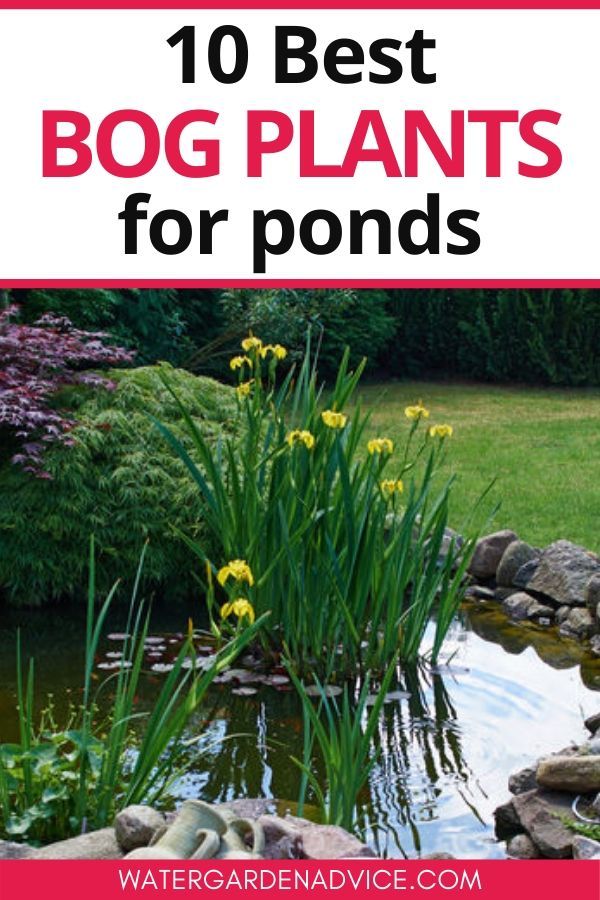
Selecting the right plants is one of the most enjoyable parts of creating a bog garden, and fortunately there are many robust British native species that perform beautifully in these conditions. Look for plants such as meadowsweet, purple loosestrife, and various types of iris that naturally grow along riverbanks and in damp meadows. These species are adapted to fluctuating water levels and will provide strong structure with their foliage and flowers from late spring through to autumn. When you combine perennials with different leaf shapes and textures, you create visual interest even when the flowers are not in season, giving the bog a lush, garden worthy appearance.
If your bog garden is exposed to full sun, you can introduce a few more adventurous varieties that still appreciate consistently moist soil, such as certain ornamental grasses or Rodgersia for dramatic foliage. For shadier spots, hostas and ferns will thrive, adding lush green texture and helping to suppress weeds by covering the soil surface. Plant in groups rather than single specimens to create natural drifts, which look more cohesive and encourage pollinators to visit. As the plants establish, they will fill in the spaces, making weeding less of a problem and reducing the need for frequent maintenance.
Watering and Ongoing Moisture Management
Even though a bog garden is designed to stay damp, it still needs regular attention, especially during prolonged dry periods common in many parts of the UK. Top up the moisture by watering slowly and thoroughly, allowing the water to penetrate deeply rather than sitting on the surface. If your bog is connected to a pond, you may find that natural rainfall and pond overflow are enough to maintain conditions for much of the year. However, during hot summers, a little extra water every few days can prevent the soil from drying out and protect delicate root systems from heat stress.




Mulching with garden compost or well rotted manure in spring helps to retain moisture, suppress weeds, and gradually feed the plants as it breaks down. Avoid letting the bog become completely stagnant, because still water can encourage slugs and certain types of algae. If you notice any patches looking dry or patchy, gently fork the surface to improve water penetration and aeration. With consistent moisture management, your bog garden will develop a rich, earthy character that feels lush and alive throughout the growing season.
Incorporating Hard Landscaping and Edging
Defining the edges of your bog garden helps to integrate it into the overall layout of your outdoor space and keeps the soil from washing into the lawn. Traditional options include using flat stones, reclaimed bricks, or smooth river rocks to create a gentle border that mimics a natural stream bank. These materials also provide opportunities for smaller plants to spill over, softening the transition between the formal garden and the wilder bog area. When you position the edging at a slight angle, it gives the impression that the wetland is gently merging with the surrounding soil.
Consider adding a narrow mulch path or stepping stones leading up to the bog if you plan to tend it regularly, preventing soil compaction around the edges. In smaller gardens, a circular stone arrangement around a central cluster of moisture loving plants can create a striking feature that doubles as a wildlife-friendly micro habitat. The contrast between neatly mown grass and the looser, more naturalistic planting inside the bog helps highlight the textures and colours of your chosen species. Thoughtful edging and paths turn the bog from a simple patch of damp soil into a defined, intentional part of the garden design.
Maintaining and Enhancing Your Bog Garden
Routine maintenance for a bog garden is relatively straightforward, focusing on keeping the plant community healthy and well balanced. In early spring, cut back any dead or dying foliage from the previous year to make way for fresh growth, and divide overgrown clumps of perennials to rejuvenate the planting and prevent overcrowding. Regularly remove invasive weeds such as ground elder or couch grass, which can quickly take over if left unchecked, especially in the richer soil of the bog. These simple tasks help maintain the open, airy structure that allows moisture loving plants to thrive without becoming tangled or diseased.
Over time, you may notice certain plants performing better than others, giving you the chance to adjust the composition by introducing new varieties or relocating aggressive spreaders. Adding a few stones or logs can create sheltered micro habitats for insects, frogs, and other wildlife, boosting the ecological value of the space. Observing how the bog changes with the seasons encourages a deeper connection with the garden and helps you plan future plantings. A well managed bog becomes a dynamic, living feature that evolves year after year, reflecting the subtle changes in British weather and garden life.
As you gain experience with your bog garden, you will discover how the shifting light, changing rainfall, and the gradual growth of plants shape its character across the year. Experimenting with different plant combinations and edge treatments allows you to tailor the space to your personal taste while still supporting local wildlife and natural processes. The ongoing care of a bog garden in the UK is an invitation to observe, learn, and gently guide this unique corner of your outdoor space toward its fullest potential.
Related Articles

How to Make a Mound for Planting: The Ultimate Step-by-Step Guide
Creating a mound for planting is a simple yet highly effective technique that improves drainage, warms the soil, and adds visual interest to any garden. This...

How to Mound Garden: The Ultimate Step-by-Step Guide
Mounding garden is a highly effective technique for creating ideal growing conditions without needing to own a large plot of land. This method involves...

How to Cover Garden Beds with Plastic: The Ultimate Step-by-Step Guide
Covering garden beds with plastic is a straightforward method to protect your soil, suppress weeds, and extend the growing season, and this simple approach can...

How to Make a Garden Patch: Your Step-by-Step Guide to a Thriving Oasis
Creating a garden patch is a rewarding way to connect with nature and enjoy fresh produce right outside your door. This simple outdoor space allows you to grow...

How to Make a Cute Garden in Grow a Garden: Easy Step-by-Step Guide
Creating a cute garden in Grow a Garden is a rewarding way to bring life and color to your virtual outdoor space. This guide will walk you through every step...

How to Make a River in Grow a Garden Roblox: Ultimate Guide
Creating a flowing river in Grow a Garden on Roblox can transform your island from a simple plot of land into a vibrant, realistic ecosystem. This guide walks...