How to Feed Your Vegetable Garden: The Ultimate Step-by-Step Guide
Feeding your vegetable garden is the most direct way to translate care into harvest, turning soil and sunlight into plates full of flavor.
While nature provides the foundation, thoughtful feeding gives your vegetables the specific nutrients they need to grow fast, fight pests, and produce abundant yields.
Understanding Nutrients and Soil Health
To feed vegetable garden spaces effectively, you must first understand the three primary nutrients plants rely on most.


Nitrogen fuels leafy green growth, phosphorus supports robust root development and flowering, and potassium strengthens the plant overall for better disease resistance and fruit quality.
Testing Your Soil
A soil test is the cornerstone of any smart feeding strategy, revealing exactly what your dirt is lacking or overabundant in.


You can send samples to a lab or use a home testing kit to measure pH and nutrient levels, ensuring you amend only what is necessary.
Organic Matter and Structure
Beyond the big three, organic matter acts as the lifeblood of your garden, improving drainage in heavy clay and water retention in sandy soil.
Compost and well-rotted manure add this vital humus, creating a loose, fertile environment where roots can easily expand and access water and food.

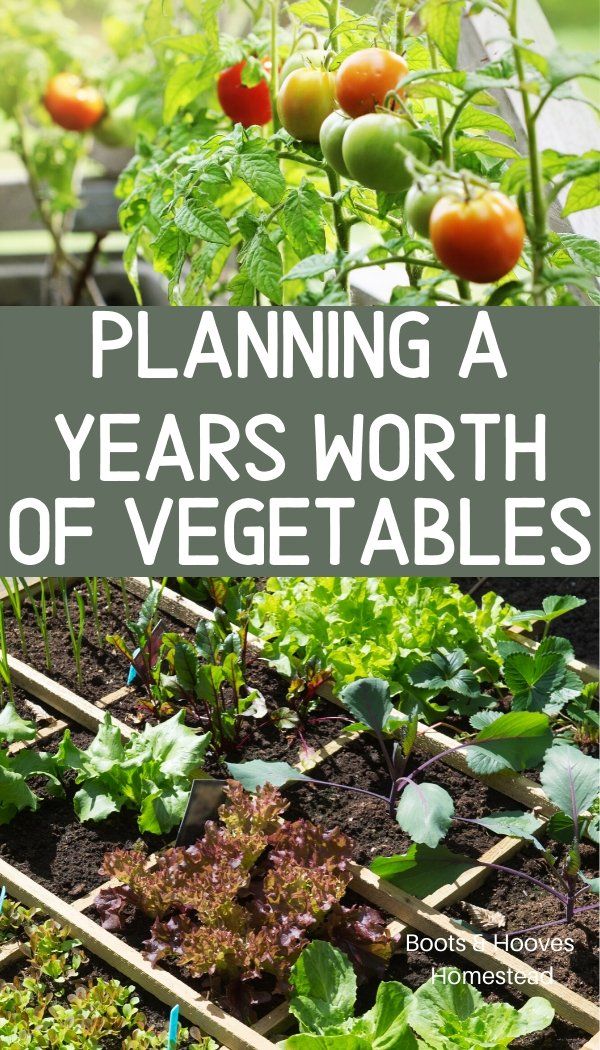


Choosing the Right Feeding Methods
Selecting the correct feeding method depends on how quickly your plants need nutrition and how effectively you want deliver it to the roots.
Applying nutrients directly to the soil ensures a slow, steady release that feeds plants over many weeks, minimizing waste and leaching.
Side-Dressing with Solids
Side-dressing involves scratching a handful of balanced fertilizer or compost into the soil surface beside the plant rows.


This method is highly effective for heavy feeders like corn or tomatoes, giving them a powerful boost during periods of rapid growth.
Liquid Feeding and Compost Teas
Water-soluble fertilizers and compost teas provide an immediate boost because the nutrients are already dissolved and ready for uptake.
These solutions are ideal for correcting deficiencies quickly or for container gardens where nutrients wash away faster.
Planning a Feeding Schedule
A successful feeding strategy aligns with the natural growth cycle of your vegetables rather than following a rigid calendar.
Young transplants benefit from a gentle feeding to reduce shock, while established plants require more intense nutrition during flowering and fruit set.
Early Season Nutrition
At the start of the season, mixing a slow-release fertilizer into the soil before planting gives seedlings a strong, steady start.
Focus on a balanced formula at this stage to encourage healthy vegetative growth before the plant directs energy toward producing fruit.
Peak Growth and Fruiting
As plants begin to flower and set fruit, they crave more phosphorus and potassium to support the development of blooms and vegetables.
Switching to a formulation with a higher middle number, such as a 5-10-10 ratio, can significantly improve your harvest size and quality.
Succession Feeding for Continuous Harvest
Leafy crops like lettuce and spinach benefit from multiple light feedings throughout the season to prolong production.
Instead of one heavy dose, use smaller applications every few weeks to keep the plants vigorous and productive without causing a sudden surge of tender growth vulnerable to pests.
By observing how your plants respond to each feeding and adjusting your techniques season after season, your garden will become more productive and resilient.
Paying attention to the subtle signs of nutrient needs, such as leaf color and growth rate, ensures you respond proactively, leading to a vibrant and thriving space that rewards your attention with generous harvests.
Related Articles

Maximize Your Space: The Ultimate Guide to How to Make a Vegetable Garden in a Small Space
Growing your own vegetables in a small space is more achievable than you might think, especially when you focus on smart design and season extension...

Planning a Small Garden Plot Your Ultimate Step-by-Step Guide
Planning a small garden plot is an exciting way to bring more beauty and fresh flavor into your everyday life, even when outdoor space is limited. Whether you...

How to Mound Garden: The Ultimate Step-by-Step Guide
Mounding garden is a highly effective technique for creating ideal growing conditions without needing to own a large plot of land. This method involves...

How to Turn Your Yard Into a Vibrant Wildflower Garden: A Step-by-Step Guide
Turning your ordinary lawn into a vibrant wildflower garden is one of the most rewarding ways to invite nature back into your daily life. Instead of fighting...

Pop Up Garden Protection: Ultimate Guide to Keep Your Plants Safe
Protecting your hard work in the garden from wildlife is essential for any passionate grower, and pop up garden protection offers a flexible, low-profile way...

How to Cover Garden Beds with Plastic: The Ultimate Step-by-Step Guide
Covering garden beds with plastic is a straightforward method to protect your soil, suppress weeds, and extend the growing season, and this simple approach can...