How to Decorate a Garden Table: Easy Steps for a Stunning Outdoor Oasis
Decorating a garden table is a simple way to transform an ordinary outdoor space into a welcoming retreat for meals and gatherings. When you approach this project with intention, the right combination of surface, layers, and lighting turns a basic table into a stylish focal point. This guide will walk you through practical steps and creative ideas that help you design a look that feels both beautiful and functional. Follow these steps to create a setting that reflects your personal style and enhances every moment spent outside.
Before choosing decor, evaluate the table itself and the surrounding environment in your garden. Take note of the table shape, material, and size, and consider how these elements interact with nearby plants, pathways, and seating areas. Think about the primary use, whether it is for dining, working, or simply displaying plants, because purpose influences arrangement. Also observe natural light patterns at different times of day, since this will affect color choices and the visibility of decorative details.
Planning the Style and Palette
Defining a clear style direction keeps your garden table cohesive and visually calm. Whether you lean toward rustic farmhouse, modern minimalist, or tropical lush, choosing a few key pieces and repeating them creates harmony. Limiting your color palette to two or three main tones helps avoid visual clutter while allowing texture and natural materials to shine.


Choosing a Theme
Selecting a theme provides a framework that guides your accessory choices without feeling rigid. For a coastal vibe, think weathered wood, natural rattan, and soft blue accents inspired by the sea. If your garden has a more formal structure, a tailored outdoor tabletop with clean lines and neutral tones can echo the architecture of the space.
Color and Texture Balance
Balance is created by mixing smooth and textured surfaces, such as a polished ceramic vase next to a rough linen runner. Use your main color in larger elements like cushions or a painted finish on your table, then introduce secondary colors through smaller decor items. This approach ensures that your garden table feels curated rather than random, drawing the eye across layers of detail.


Building the Foundation with Tableware and Liners
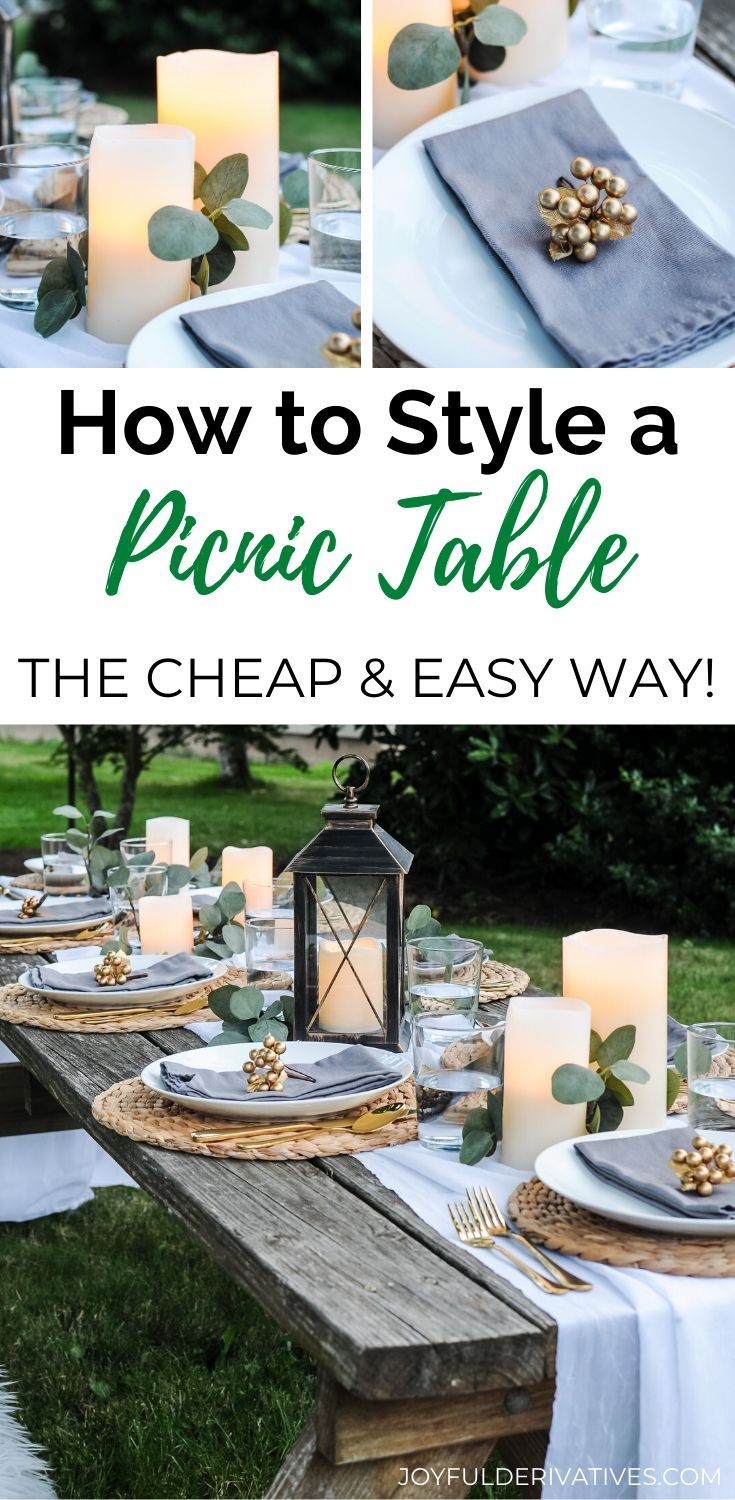
The base layer of your table setup should combine practicality with style, starting with a durable tablecloth or runner that complements your chosen palette. A waterproof outdoor tablecloth simplifies maintenance, while a woven placemat adds warmth and dimension beneath your dishes. Choosing materials designed for weather resistance ensures that your decor lasts season after season.
Tableware Selection
Select plates, bowls, and mugs in shapes and sizes that suit both your aesthetic and your needs for entertaining. Mixing patterns within a similar color family can add interest, but keeping a core set unified prevents chaos. Look for pieces that are sturdy, lightweight, and easy to stack, especially if you store your tableware in a shed or small outdoor cabinet.
Place Settings and Comfort
Comfort matters as much as visual appeal when guests sit down to eat or chat. Use padded cushions on bench seats or add a few coordinating outdoor throw pillows to encourage longer stays. Positioning your garden table near shade or a gentle breeze can also elevate comfort, making the space feel like a natural extension of your home.


Adding Layered Decor and Focal Elements
Once the essentials are in place, you can build depth by adding layered decor that reflects your personality. Start with a statement centerpiece, such as a low wooden tray filled with candles, stones, and small planters, then surround it with complementary objects. This technique creates a sense of abundance without overcrowding the surface.
Lighting and Ambiance
Lighting plays a crucial role in defining the mood of your garden table once the sun goes down. String lights overhead, lanterns on the table, and subtle path lighting nearby can all work together to create a soft, inviting glow. Choose warm white bulbs rather than harsh white light to maintain a relaxing atmosphere.
Greenery and Natural Accents
Incorporating plant life is one of the easiest ways to make an outdoor table feel alive. A cluster of potted herbs, trailing vines, or a sculptural leafy plant nearby adds movement and freshness. You can also scatter loose petals or small branches along the runner for a seasonal, organic touch that feels effortless yet intentional.


Maintaining Practicality and Seasonal Updates
An inviting garden table should also function well in everyday use, so prioritize easy cleaning and weatherproof materials. Choose stain-resistant fabrics, wipeable surfaces, and stackable accessories that make storage straightforward. When seasons change, updating a few key items such as cushions, throws, or a new color scheme keeps the space feeling current and cared for.
As you refine your approach, remember that small adjustments can refresh the entire look of your outdoor space without starting from scratch. Rotating decor pieces, swapping table runners, or adding a bold floral arrangement allows you to experiment while staying true to your overall vision. Treat your garden table as a living canvas that evolves with your tastes and the rhythms of your outdoor environment.
Related Articles

How to Design a Patio Garden: Easy Steps for a Stunning Outdoor Oasis
Designing a patio garden is the rewarding process of turning a blank outdoor slab of concrete or stone into a personal sanctuary that enhances your home and...

Grandma's Garden DIY: 10 Easy Steps to a Stunning Vintage Oasis
Grandma's garden diy projects bring a sense of warmth and nostalgia to any outdoor space, turning ordinary backyards into cherished family heirlooms. This...

Stunning Rock Garden with Bench Ideas for Tranquil Outdoor Oasis
A rock garden with bench ideas can transform a modest outdoor area into a serene retreat that blends natural stone with comfortable seating. This timeless...

Free Garden Ideas Stunning Designs For Your Outdoor Oasis
Creating a beautiful outdoor space does not require a large budget, and many people are discovering that free garden ideas can transform their yards into...

Stunning Garden Pond Waterfalls Ideas UK for Tranquil Outdoor Oasis
Garden pond waterfalls ideas uk can transform a simple backyard water feature into a dramatic focal point that soothes the soul and boosts curb appeal. Across...

Garden Stone Wall DIY Ideas Transforming Your Outdoor Space with Easy Steps
Building a garden stone wall diy project transforms an ordinary outdoor space into a timeless feature that adds structure and charm. This hands on endeavor...