How to Build a Frame for Hot Tub: Easy DIY Guide
Building a frame for hot tub is a rewarding project that transforms a backyard concept into a functional, long lasting relaxation zone.
A well designed structure provides stable support, protects the hot tub from weather, and enhances the visual appeal of your outdoor space, so planning carefully at the start saves time and money later.
Planning Your Hot Tub Frame Design
Begin by measuring the hot tub dimensions exactly, noting any extra space needed for access panels, maintenance, and safe entry.


Choose materials such as pressure treated timber, galvanized steel, or aluminum, balancing durability, cost, and how each option suits your climate and local building codes.
Site Preparation and Layout
Clear the area of grass, debris, and soft soil, then mark the footprint of the frame using stakes and string to ensure perfect alignment.


Use a level and measuring tape to confirm that the ground is even, because a flat base prevents uneven weight distribution and stress on the hot tub shell.
Foundation and Base Planning
Decide on a solid foundation such as concrete piers, a compacted gravel pad, or a reinforced slab, depending on the frame design and local regulations.
For wooden frames, consider using concrete footings or adjustable base plates to provide a stable, moisture resistant anchor that prevents settling over time.


Frame Construction and Assembly
Construct the main perimeter sections by cutting beams and joists to the planned length, then assembling them with heavy duty fasteners designed for outdoor use.
Reinforce corners with metal brackets or cross bracing to maintain right angles and prevent twisting when the weight of the filled hot tub presses on the structure.
Supporting the Weight Distribution
Distribute load across multiple vertical supports, ensuring each section of the hot tub base aligns with a sturdy bearer or reinforced point.


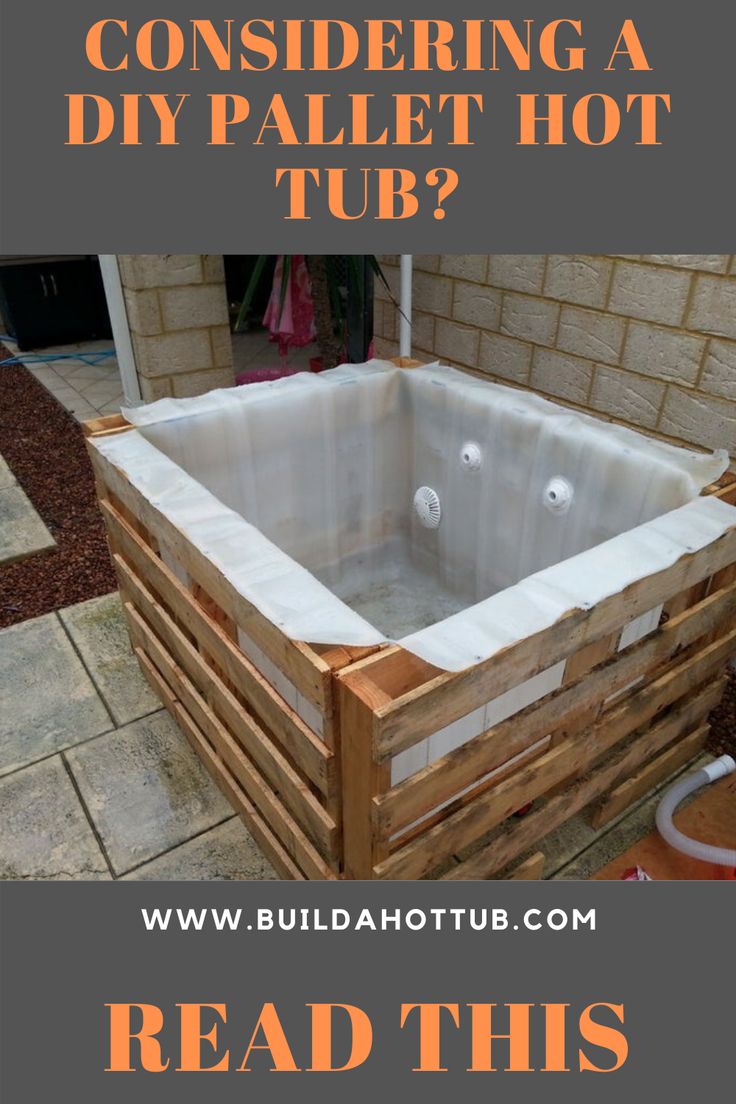
Check that the frame components are level both horizontally and vertically, tightening connections and shimming where necessary before proceeding.
Securing Joints and Ensuring Stability
Use construction adhesive, stainless steel screws, and galvanized bolts at critical joints to create a rigid, long lasting frame that resists movement.
Test the frame by applying gradual, controlled pressure, observing for any sagging or shifting, and make adjustments until the structure feels solid and safe.
Finishing and Long Term Protection
Treat timber with a high quality, water resistant sealant or paint designed for outdoor use, protecting the frame from moisture, UV rays, and rot.
For metal frames, inspect coatings for damage and touch up any exposed areas to prevent rust and extend the life of your hot tub enclosure.
Taking the time to build a strong, level frame pays off in smoother operation, easier maintenance, and years of comfortable use.
As you finalize your setup, keep checking the structure periodically and make small improvements so your hot tub area remains safe, attractive, and ready for relaxation whenever you need it.
Related Articles

How to Build a Simple Shed Frame: Easy Step-by-Step Guide
Building a simple shed frame is a rewarding project that transforms an empty corner of your yard into a sturdy, functional space for tools, bikes, or seasonal...

How to Build a Simple Gate Frame: Easy Step-by-Step Guide
Building a simple gate frame is a rewarding project that combines practical carpentry skills with clear planning and careful measurement. Whether you are...

How to Build a Small Garden Pond with Waterfall: Easy DIY Guide
Building a small garden pond with waterfall can transform an ordinary backyard into a serene, water-focused sanctuary that soothes the senses and attracts...

How to Build a Deck Bench Seat: Easy Step-by-Step Guide
Building a deck bench seat is a rewarding project that transforms a simple wooden deck into a comfortable, inviting space for relaxation and entertaining. This...

How to Build a Garden Bed with Pallets: Easy DIY Guide
Building a garden bed with pallets is a smart and affordable way to create an organized growing space without breaking the bank. This approach repurposes...

How to Build Double Doors for a Shed: Easy Step-by-Step Guide
Building double doors for a shed is a rewarding project that transforms a simple storage space into a highly functional workshop or garden retreat. This guide...