The Ultimate Guide to Hex Colors of Green: Shades Hex Codes and Meanings
Understanding the hex colors of green opens a door to precision in digital design, where every shade tells a story through code. This system allows creators to define exact tones on screens, bridging the gap between vision and visibility in a way that is both technical and deeply visual.
From forest depths to lime brightness, the spectrum of green captured in hex format influences branding, art, and user experience on a daily basis. Designers rely on these six-character strings to maintain consistency across platforms, ensuring that a specific mood or identity remains intact no matter where the color appears.
The Psychology and Symbolism of Green
Green sits at a unique point in the color wheel, blending the energy of yellow with the calm of blue to create hues that feel both natural and refreshing. In design, the hex colors of green are often chosen to evoke growth, harmony, and renewal, making them ideal for projects related to health, environment, and tranquility.

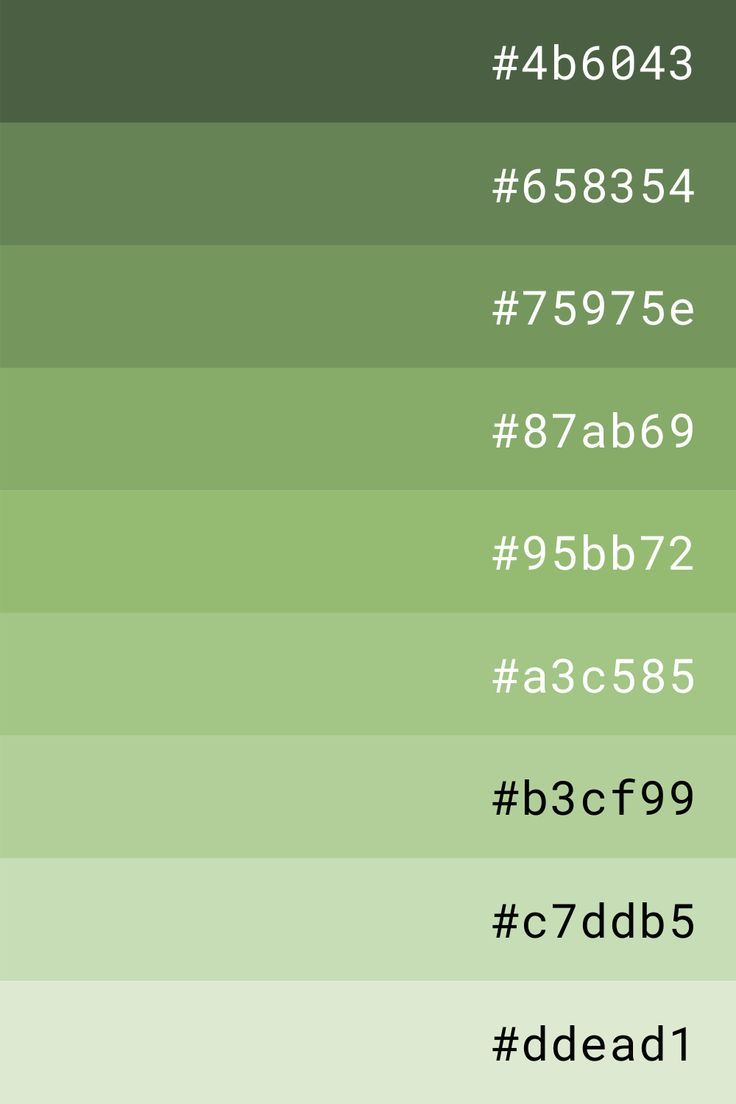

Consider how different hex values shift perception: a dark forest green may communicate stability and trust, while a bright neon green can signal innovation and boldness. Understanding these subtle psychological cues helps designers select the most effective hex code for the emotional response they wish to trigger in their audience.
Shades That Connect to Nature
Many of the most popular hex colors of green draw direct inspiration from the natural world, from the muted elegance of moss to the lively punch of spring leaves. These shades bring a sense of calm and familiarity to digital spaces, making them especially effective for lifestyle, wellness, and outdoor brands.


When designers work with hex values like #228B22 or #3CB371, they are tapping into a visual language that feels instantly approachable and grounded. Such colors can soften stark interfaces, add warmth to data visualizations, and create a balanced backdrop for text and imagery.
Using Contrast for Readability
Selecting the right hex color of green also means paying attention to contrast, particularly when it comes to text and accessibility. A deep green on a light background can improve legibility, while a light green on white may render content invisible to many users.
Tools that analyze contrast ratios help ensure that hex greens meet accessibility standards, allowing designers to experiment with creativity without sacrificing usability. This careful balance results in interfaces that are not only beautiful but also inclusive and easy to navigate for every visitor.


Applications in Branding and UI Design
Brands across industries use the hex colors of green to communicate values such as sustainability, finance, and innovation. A well-chosen green hex code becomes a visual anchor, appearing on websites, packaging, and marketing materials to reinforce identity with immediate recognition.
In user interfaces, hex greens are frequently applied to buttons, alerts, and interactive elements to guide the user intuitively through an experience. When strategically placed, these colors help direct attention, indicate success states, and organize complex information in a visually coherent way.
Tech and Financial Brands
Technology and financial companies often lean on hex colors of green to convey growth, security, and forward-thinking progress. A vibrant green signal can suggest that a product is not only functional but also future-ready, instilling confidence in clients and investors alike.


Design systems in these sectors rely on consistent hex values for success messages, data visualization highlights, and status indicators. This disciplined use of color strengthens brand recall and builds trust, turning abstract metrics into easily understood visual cues.
Eco and Lifestyle Branding
For eco-conscious and lifestyle brands, the hex colors of green serve as a natural shorthand for environmental responsibility and organic quality. Soft, desaturated greens can evoke handmade products, while more saturated tones suggest energy and action in the realm of sustainability.
Whether used in logos, illustration, or background treatments, these greens help communicate a story of care for the planet. Designers often pair them with natural textures and minimalist layouts to amplify the feeling of authenticity and calm.
Technical Nuances of Hex Color Codes
Each hex color of green is defined by a precise mix of red and blue components within the six-character code, where the middle two characters represent the intensity of green. Understanding how these values interact allows designers to fine-tune hues with remarkable accuracy, adjusting by just a few characters to achieve the perfect tone.
Modern design tools provide sliders and color pickers that display the corresponding hex values in real time, making experimentation intuitive. This transparency between visual selection and code ensures that the chosen green looks consistent across devices, browsers, and screens of all kinds.
Shifting Tones with Lightness and Saturation
By tweaking a hex code, designers can move a green from dark and moody to light and airy, altering the perceived weight of the color on the screen. Small changes in the hex sequence can transform a color that feels heavy and serious into one that feels fresh and welcoming.
Understanding how lightness and saturation affect perception helps designers craft thoughtful palettes that support hierarchy and flow. This level of control turns the hex colors of green into a versatile tool for building depth, focus, and visual rhythm across an entire project.
Accessibility and Cross-Platform Consistency
Because screens render hex colors differently depending on their profiles and settings, checking greens across devices is essential for maintaining a consistent brand experience. What appears vivid on one monitor might look muted on another, which is why designers often reference standardized hex values in official guidelines.
Accessibility considerations also push designers to test hex greens against common contrast requirements, ensuring that text and interface elements remain legible for users with varying abilities. This attention to detail results in designs that are not only visually striking but also ethically and technically sound.
Exploring the hex colors of green reveals how deeply color influences perception, usability, and emotion in digital spaces. With every carefully chosen shade, designers have the chance to shape experiences that feel intentional, modern, and aligned with the values they represent.
As tools and standards continue to evolve, experimenting thoughtfully with these hex codes will remain central to creating digital environments that are both beautiful and functional for all who encounter them.
Related Articles

Green Net Squares: The Ultimate Guide to Sustainable Gardening and Eco-Friendly Design
Green net squares represent a modern fusion of sustainable materials and modular design, capturing the attention of designers and eco-conscious consumers...

Garden Green Gallery: The Ultimate Guide to Lush Living
Garden Green Gallery is redefining how urban residents experience curated nature in their daily lives. This thoughtfully designed space brings together living...

The Ultimate Guide to Making a Garden in an Apartment Small Space Green Oasis Tips and Ideas
Creating a garden in an apartment might sound challenging, but it is one of the most rewarding ways to bring life, color, and fresh air into your home. Even...

What Colors to Mix to Make Lilac: The Ultimate Guide
Creating the perfect lilac tone involves understanding how pigments interact on your palette, whether you are mixing colors for digital light or physical...

The Ultimate Guide to Growing Green Beans Indoors Successfully
Growing green beans indoors is an excellent way to enjoy fresh, crisp vegetables year round without needing a backyard garden. Many people assume that tender...

How to Grow Green Beans from Seed in a Raised Bed: The Ultimate Guide
Growing green beans from seed in a raised bed is one of the most rewarding ways to enjoy a continuous harvest of crisp, flavorful pods right outside your back...