Healthy Oatmeal Cookie Bar Recipe Delicious Easy Crunchy Snacks
Imagine pulling a tray of golden, fragrant oatmeal cookie bars from the oven, where the kitchen fills with the cozy scent of cinnamon and vanilla. This healthy oatmeal cookie bar recipe is designed for people who crave a satisfying chewy center, a lightly crisp edge, and the feeling that every bite is just a little bit good for them. Unlike fragile drop cookies that crumble in your hand, these bars hold together beautifully, making them perfect for meal prep, lunchboxes, or a quick grab on a busy morning.
What sets this recipe apart is the focus on whole food ingredients, balanced sweetness, and a texture that feels indulgent without tipping into heavy dessert territory. You are not just baking cookies; you are assembling a portable snacking station that delivers fiber, healthy fats, and slow burning energy. With a simple combination of oats, nut butter, warm spices, and mix ins, you can create a versatile base that adapts to your pantry and dietary preferences. The result is a snack that works for busy weekdays, post workout recovery, or a thoughtful homemade gift that feels both practical and luxurious.
Building a Nutrient Dense Oatmeal Bar Base
The foundation of any great healthy oatmeal cookie bar recipe is a thoughtfully crafted base that prioritizes texture and nutrition. Instead of relying on refined flour, you will use a blend of rolled oats, whole wheat flour, or even a gluten free flour blend to create a hearty, filling structure. Binding agents like ripe banana, nut butter, or a combination of eggs and maple syrup help the mixture come together without needing excessive sugar, while also contributing moisture and subtle flavor.


To develop depth, you will incorporate warming spices such as cinnamon, nutmeg, and a pinch of sea salt, which enhance the natural sweetness of the oats. A touch of vanilla extract or a splash of almond milk can further elevate the aroma and create a smoother, more complex taste profile. By focusing on these simple, high quality components, you set the stage for endless customization while keeping the bars nourishing enough to enjoy regularly.
Choosing the Right Sweetener
Selecting the right sweetener is a critical step in crafting a healthy oatmeal cookie bar recipe that satisfies your sweet tooth without causing a sugar crash. Maple syrup, honey, and coconut sugar provide a more gradual rise in blood glucose compared to refined white sugar, thanks to their trace minerals and lower glycemic impact. These liquid or minimally processed options also add a gentle chewiness and a subtle depth of flavor that pairs beautifully with oats and nuts.


When using liquid sweeteners, it is helpful to reduce other liquids in the recipe slightly, such as milk or banana, to maintain a thick, sliceable batter. If you prefer a cleaner label, you can opt for a small amount of granulated monk fruit or erythritol blend, which adds sweetness without significantly affecting the texture. The key is to strike a balance where the bars are pleasantly sweet but still highlight the hearty grain forward character of the oats.
Incorporating Protein and Healthy Fats
Adding protein and healthy fats transforms a simple oatmeal bar into a more balanced snack that supports sustained energy. Nut butters like almond, cashew, or peanut butter contribute richness, binding power, and a satisfying mouthfeel, while also delivering monounsaturated fats that are heart friendly. For an extra protein boost, you can stir in a scoop of unflavored or vanilla protein powder, Greek yogurt, or blended silken tofu without dramatically altering the flavor.
Seeds such as chia, flax, and sunflower not only add a pleasant crunch but also supply omega fatty acids, fiber, and micronutrients like magnesium and vitamin E. Mixing in a handful of finely chopped nuts, like walnuts or pecans, enhances the textural contrast and brings a toasty, rustic note. These thoughtful additions ensure that each bar feels hearty and nourishing, rather than light and airy.


Customization and Mix Ins
One of the greatest advantages of a healthy oatmeal cookie bar recipe is how easily it can be tailored to your taste preferences and lifestyle. Whether you follow a specific diet, avoid certain ingredients, or simply want to use up leftover pantry items, the base remains flexible and forgiving. By choosing mix ins that align with your nutritional goals, you can turn a basic batch into a customized snack that you look forward to enjoying.
From a digestive support standpoint, including extras like ground flaxseed, psyllium husk, or finely chopped prunes can increase fiber content and promote gentle regularity. If you are aiming for a lower carb approach, you can reduce the amount of oats and rely more on almond flour, shredded zucchini, or cauliflower rice to bulk up the bars without adding excessive starch.
Adding Fruits, Nuts, and Spices
Dried fruits such as raisins, cranberries, or chopped apricots bring a natural chew and a burst of flavor that complements the earthy oats. For a brighter note, you can fold in citrus zest, extracts like almond or maple, or a swirl of seedless jam baked into the center of the bars. The interplay between sweet, tart, and warmly spiced elements keeps each bite interesting and far from monotonous.


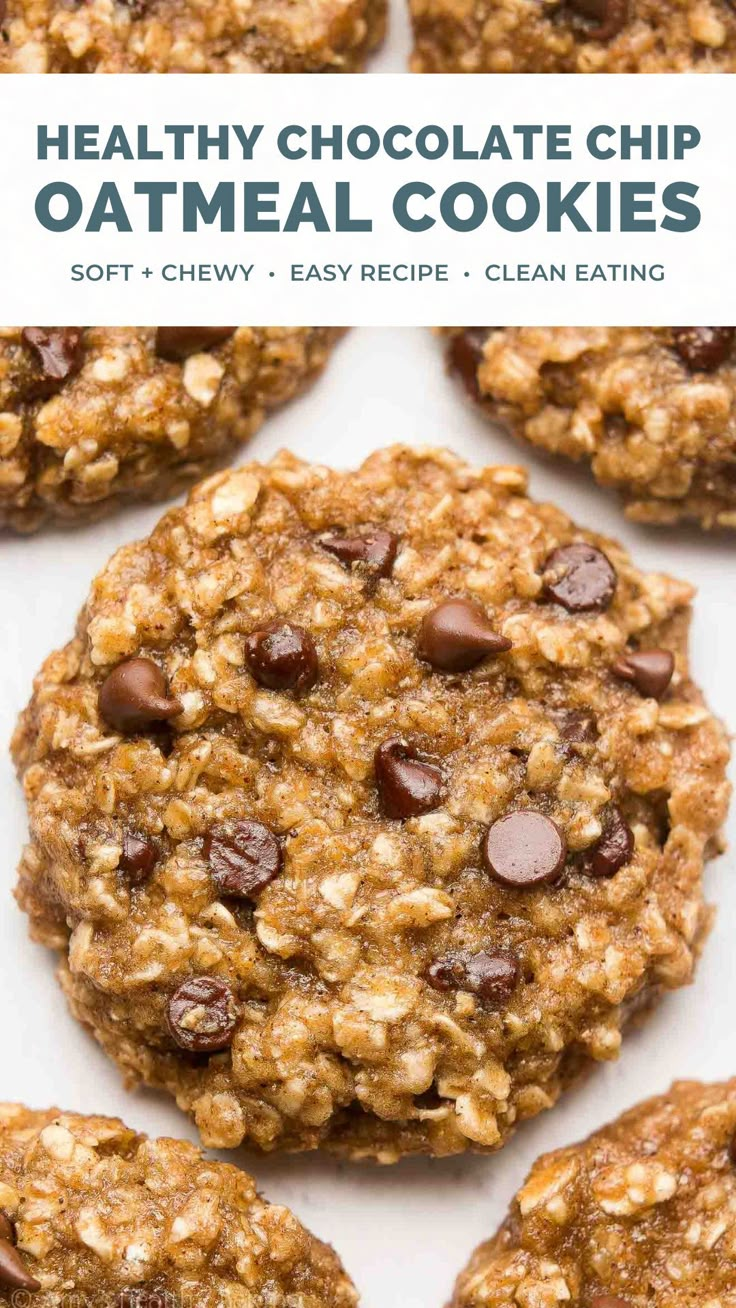


Nuts and seeds provide structure, healthy fats, and a satisfying crunch, while chocolate chips, cacao nibs, or carob pieces can satisfy a more indulgent craving in a lighter format. When working with mix ins, it is helpful to keep the pieces relatively small so they distribute evenly and do not interfere with slicing. A well balanced mix of salty and sweet components ensures that no single flavor overwhelms the comforting oat base.
Adapting for Dietary Preferences
Whether you are baking for a vegan household, managing gluten sensitivity, or simply looking to reduce refined ingredients, this recipe is highly adaptable. A vegan version can rely on mashed banana or applesauce, plant based yogurt, and a flax or chia egg to achieve the right consistency, while still delivering a moist, chewy texture. For a gluten free approach, selecting certified gluten free oats and a blend of rice flour, tapioca starch, and almond flour can yield a tender yet sturdy bar.
Those following a dairy free plan will appreciate that this recipe naturally avoids butter and heavy cream, focusing instead on nutrient dense fats from nuts, seeds, and plant oils. With a few simple swaps, you can create a version that aligns with your values and nutritional needs without sacrificing the comforting, cookie bar experience you are looking for.
Preparation, Baking, and Storage Tips
Prepare your workspace by lining a baking pan with parchment paper and preheating the oven to a moderate temperature that encourages even browning without drying the edges too quickly. In a large bowl, combine the dry ingredients first, making sure the baking soda and spices are well distributed before adding wet ingredients. Mix until you achieve a thick, cohesive batter that holds together when pressed, then press it firmly into the prepared pan to create an even surface.
Bake until the edges are set and lightly golden, while the center still looks slightly soft, as it will continue to cook as it cools. Once the bars have rested in the pan, use the parchment paper to lift them out and place them on a wire rack for complete cooling before slicing. Proper cooling is essential, because warm bars can crumble, while fully cooled bars slice cleanly into uniform portions that are easy to store.
For convenient snacking, wrap individual portions in parchment paper or place them in a compact container. Stored in an airtight container at room temperature, these bars typically stay fresh for several days, while refrigeration can extend that window and keep them especially refreshing on warmer days. You can also freeze the bars for longer term storage, thawing them slowly in the fridge or at room temperature when you need a quick, wholesome treat.
As you experiment with this healthy oatmeal cookie bar recipe, notice how small adjustments in sweetener, fat, and mix ins influence both flavor and texture. Over time, you will develop an intuitive sense for what works best with your preferences, schedule, and nutritional goals. The more you bake with intention, the more these simple bars can become a reliable, satisfying staple in your kitchen routine.
By treating this recipe as a flexible template rather than a rigid formula, you can keep your snacking habits both enjoyable and aligned with the way you like to eat. With each batch, you refine the balance of crunch and chew, spice and sweetness, creating a bar that feels truly your own. Let your curiosity guide the next mix of ingredients, and enjoy the process of building a go to snack that supports your day without compromising on taste.
Related Articles

Easy Oatmeal Chocolate Chip Cookie Bars Recipe Quick Healthy Snacks
Easy oatmeal chocolate chip cookie bars combine the wholesome comfort of oats with the irresistible indulgence of gooey chocolate chips in a simple bar format...
Easy Quaker Oatmeal Cookie Bars Recipe Healthy Snacks
Quaker oatmeal cookie bars recipe brings the cozy, chewy goodness of classic oat cookies into a convenient, bar format that is perfect for snacking and...

Easy Oatmeal Raisin Cookie Bars Recipe Quick Delicious Snacks
Easy oatmeal raisin cookie bars bring the cozy flavor of classic cookies into a simple, handheld format that is perfect for snacking and sharing. These bars...
Simple Oatmeal Cookie Bars Healthy Easy Recipe Snacks
Simple oatmeal cookie bars healthy are the perfect solution for anyone craving a satisfying snack without the crash. These bars combine the wholesome comfort...

Peanut Butter Oatmeal Cookie Bars Recipe Easy Healthy Snacks
Peanut butter oatmeal cookie bars recipe combines the rustic charm of oatmeal cookies with the convenience of a bar, delivering a satisfying chew and rich...
Easy Simple Oatmeal Cookie Bars Recipe Healthy Snacks Ideas
Simple oatmeal cookie bars offer a comforting twist on classic treats, combining the hearty warmth of oats with the easy portability of a bar cookie. These...