20 Hallway and Stairway Paint Ideas to Spark Your Home Décor
Transforming your hallway and stairway with paint is one of the fastest ways to elevate the entire mood of your home without a full renovation. These often-overlooked transitional spaces offer a unique canvas for creativity, allowing you to set the tone for how guests experience your living area. A well-chosen palette can make a narrow passage feel expansive, guide movement through your floor plan, and add personality where it is needed most. This guide explores a range of hallway and stairway paint ideas designed to maximize impact and functionality.
Unlike main rooms that demand bold statements, hallways benefit from subtlety and flow, while stairs provide an opportunity to inject dynamic energy into your design. The key is to balance aesthetics with the practical need for durability and cleanability, especially in high-traffic zones. By understanding how color interacts with light and space, you can turn these functional paths into curated design elements that feel intentional and sophisticated.
Embracing Flow and Atmosphere
Creating a cohesive journey through your home starts with the hallway, which acts as the connective tissue between different rooms. Selecting a hallway and stairway paint ideas that promote calm and continuity helps to ensure that moving through your space feels seamless rather than disjointed. You want colors that ease the transition from the vibrant living room to the quiet bedroom, maintaining a harmonious atmosphere throughout.


For a serene environment, consider muted neutrals like soft greys, warm beiges, or gentle greys that recede into the background. These timeless choices provide the perfect backdrop for artwork, photographs, or a single statement feature wall without overwhelming the senses. The goal is to create a calming corridor that prepares you mentally for the room ahead, making your home feel larger and more organized.
Monochromatic Elegance
A monochromatic color scheme uses different shades, tones, and tints of a single color to create depth and visual interest without chaos. For hallways, this might mean pairing a deep charcoal grey on the trim with a lighter version of the same color on the walls, drawing the eye upward and adding architectural dimension. This approach is exceptionally versatile, working well in both minimalist and traditionally styled homes.


On the stairs, you can take this a step further by painting each tread a slightly darker or lighter variation of the same hue. This subtle gradient not only enhances the sense of movement but also adds a touch of gallery-worthy sophistication. It is a refined method that ties the entire architectural feature together, making the staircase a quiet focal point rather than a separate element.
Nature Inspired Tranquility
Drawing inspiration from the natural world is a reliable way to introduce calm and organic beauty into tight spaces. Soft greens reminiscent of sage or moss can bring a refreshing, spa-like quality to a hallway, evoking feelings of balance and renewal. These earthy tones are particularly effective in homes with ample natural light, as they brighten the space rather than closing it in.
On stair walls, you might incorporate subtle texture by using a grasscloth or matte finish paint in these green tones. Alternatively, pair this with crisp white trim to create a clean contrast that feels both modern and serene. This connection to nature helps to humanize the architecture, making your daily passage through the home feel like a walk through a peaceful garden.



Making a Statement with Contrast
While calm is a popular choice, hallways and stairs are also ideal for making a bold design statement when executed with confidence. Contrast is a powerful tool in these spaces, as it creates immediate visual impact and defines the character of your home the moment someone walks through the door. A dramatic hallway can set an energetic or luxurious tone for the entire residence.
When using high-contrast hallway and stairway paint ideas, it is important to maintain a sense of cohesion. This ensures that the space feels intentional rather than chaotic. The contrast should enhance the architecture, not compete with it, creating a backdrop that feels strong yet balanced.
Dramatic Dark Tones
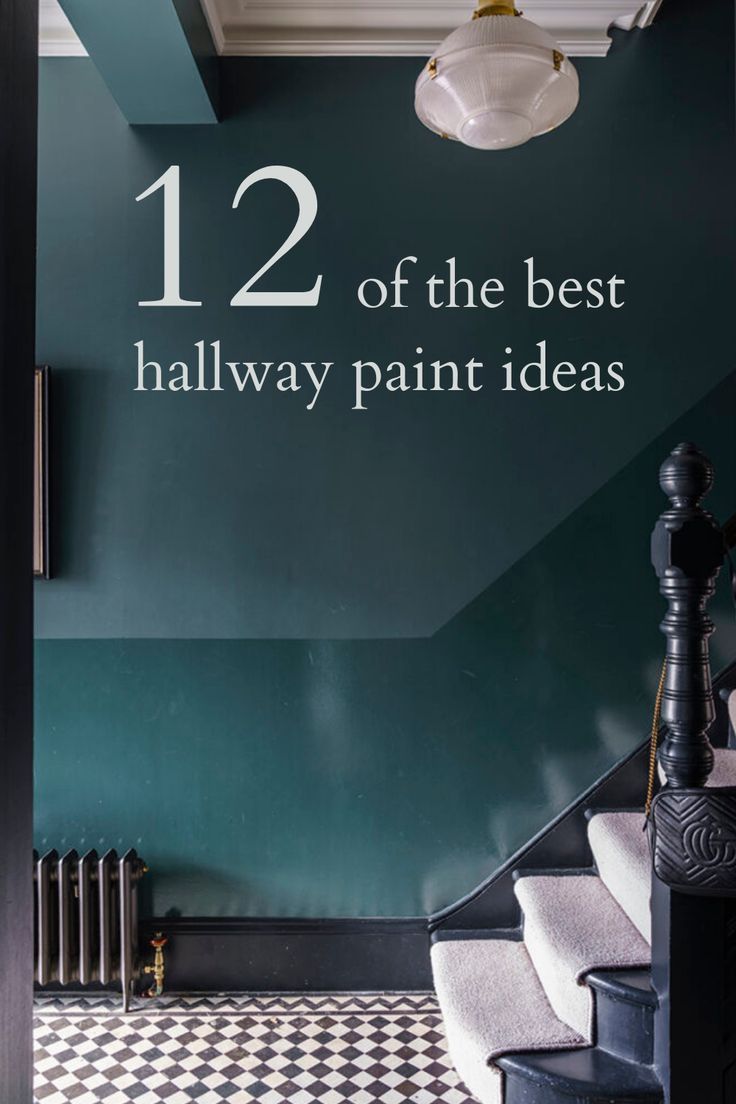
Dark colors in hallways have a reputation for creating intimacy and drama, and when used correctly, they can make a narrow space feel incredibly luxuriant. Deep navy, rich charcoal, or even a sophisticated black on an accent wall can transform a plain hallway into a sophisticated gallery or library. The key is to ensure adequate lighting so the space remains welcoming rather than closed off.


Stairways are the perfect place to experiment with dark hues on the risers or the side panels. This creates a striking visual frame for each step, adding depth and a sense of grandeur. Dark tones also hide scuffs and marks better than lighter shades, making them a practical choice for high-traffic areas where durability is a priority.
Vibrant and Energetic Accents
If your home leans toward the vibrant and eclectic, a pop of bold color in the stairway can be exactly the injection of personality you need. Consider painting one stringer (the structural side of the stairs) in a lively hue like mustard yellow, terracotta, or electric blue. This approach injects energy without overwhelming the entire layout of the home.
Hallways can benefit from this energy through a feature wall or a ceiling painted in a saturated color. A bright teal or coral ceiling draws the eye upward, creating the illusion of height and making the space feel more dynamic. When paired with neutral walls, these vibrant accents feel modern and curated rather than chaotic.
Geometric and Artistic Patterns
For the truly adventurous, incorporating patterns is a surefire way to turn a mundane staircase into a work of art. Stenciling geometric shapes, stripes, or abstract designs onto a feature wall or the side of the stairs adds a playful and artistic touch. This works exceptionally well in kids' hallways or creative home offices where energy is desired.
When applying patterns, stick to a limited color palette of two or three shades to maintain a sense of harmony. A classic black and white geometric staircase can be timeless, while a muted terracotta and cream pattern can offer a more rustic, artisanal feel. The pattern should complement your existing decor, acting as an extension of your overall aesthetic rather than a jarring interruption.
Metallic and Luxurious Undertones
Incorporating metallic finishes into your hallway and stairway paint ideas can add an instant layer of luxury and depth. Selecting a paint with subtle metallic or pearl undertones, such as a greige with a slight sheen or a soft grey with silver hints, creates a sophisticated ambiance that catches the light beautifully. This approach elevates the space, making it feel more refined and intentional without overwhelming the senses.
For a more dramatic effect, consider using a high-gloss paint on trim or a feature wall. This reflective quality not only makes the space feel larger but also adds a modern, sleek edge that pairs well with both contemporary and traditional furnishings. The gloss finish is easy to wipe down, ensuring your hallway maintains its polished appearance with minimal effort.
Finalizing Your Palette and Practical Tips
Selecting the perfect color requires testing how it looks at different times of the day, as natural light dramatically alters its appearance. What looks bright and cheerful in the morning sun might appear dark and moody in the afternoon. Always purchase sample pots and apply them to the actual walls and stairs of your space to see how they interact with your specific lighting conditions.
Pay attention to the existing elements in the hallway, such as flooring, hardware, and adjacent room colors. Your hallway and stairway paint ideas should either harmonize with these elements or provide a deliberate contrast that makes them stand out. A cohesive color story ensures that the transition from one room to the next feels natural and intentional rather than haphazard.
Practical considerations are just as important as aesthetics in these high-traffic zones. Opt for a durable, washable finish, such as a satin or semi-gloss sheen, especially on the stair treads and banisters where hands frequently rest. These finishes resist dirt and grime better than matte paints, ensuring your beautiful design stays looking fresh for years to come.
Balancing your hallway and stairway paint ideas with the function of the space is the ultimate goal. You want a result that pleases the eye daily and withstands the realities of everyday life in a busy household. By combining thoughtful color choices with practical finishes, you create a transition space that is both beautiful and resilient.
As you move forward with planning your transformation, keep in mind the feeling you want to evoke each time you walk through these spaces. Whether you choose serene, neutral tones or a dramatic burst of color, the right palette will make your house feel more like a curated home. Take your time, explore the possibilities, and enjoy the process of defining the personality of your entry and circulation spaces.
Related Articles

Long Hallway Paint Color Ideas 50+ Modern Designs To Inspire Your Home
Long hallways present a unique decorating challenge that many homeowners face at some point. When a narrow passage stretches on, the walls can feel like a...

Sliding Glass Door Valance Ideas 20 Stunning Designs to Elevate Your Home Décor
Transforming your patio starts above the ground, and a stylish sliding glass door valance is one of the easiest ways to frame your view. This simple finishing...

Stunning Front Door Hallway Design Ideas For Your Home
Designing a front door hallway sets the stage for the entire home, blending practicality with style the moment someone steps inside. This space acts as a...

Victorian House Hallway Ideas 15 Stunning Designs For Your Home
Victorian house hallway ideas can transform the first impression of your home, turning a simple passage into a dramatic introduction. These narrow, often...
20 Popular Hallway Colors To Transform Your Home Décor
Choosing the right hallway colors can transform the entire feel of your home, turning a simple passage into a welcoming introduction or a calming retreat...

Diy Panelling Hallway And Stairs Ideas Transforming Your Home With Elegant Wood Designs
Embarking on a diy panelling hallway and stairs project can instantly transform a bland transitional space into the stylish heart of your home. This renovation...