Greek Last Names Meaning Water Ocean Soul Flow History Trends 2024
Exploring greek last names meaning water reveals how deeply ancient civilizations tied identity to the life-gustaining element that surrounded their islands and shores. In Greece, where the sea has shaped trade, mythology, and daily life for millennia, surnames often echo the role of water as both a practical resource and a spiritual symbol.
From the shimmering Aegean to the quiet village wells, water appears in family names across regions and centuries, reflecting geography, occupation, and even personal blessings. Understanding these names offers a window into the values and environment of the people who first bore them, connecting modern bearers to a living heritage that still flows beneath the surface of everyday conversations.
The Sea as a Name Source
The direct influence of the sea on greek last names meaning water is profound, with many surnames deriving from words that describe the ocean itself. These names often emerged in coastal communities where fishing, navigation, and maritime trade defined daily existence and cultural identity.


Communities clustered around harbors naturally adopted identifiers linked to the sea, turning a feature of the landscape into a lasting family marker. This practice ensured that even as generations passed, the memory of the water that sustained them remained woven into their names.
Thalassa and Its Kin
One of the most recognizable roots is "thalassa," the Greek word for sea, which appears in surnames such as Thalassitis or Thalassopoulos. These names literally translate to "of the sea" or "son of the sea," emphasizing a deep, almost ancestral bond with the waters.


Families bearing these surnames often historically lived near the coast or engaged in seafaring professions, reinforcing the association between their identity and the briny realm. The enduring popularity of such names highlights how this elemental force continues to resonate in personal and familial storytelling.
Pelagos and Maritime Roots
Another related stream includes names derived from "pelagos," meaning open sea, which captures the vastness and mystery of the ocean beyond the familiar coastline. Surnames like Pelagias or its variations suggest a connection to this broader marine environment, perhaps indicating ancestors who ventured farther from shore.
These designations may have originally served to distinguish families with seafaring traditions from those more firmly land-based, even if both relied on the sea for trade or sustenance. The imagery of the open sea in a surname conveys a sense of adventure and resilience that speaks to the character of those who bear it.


Rivers, Wells, and Springs
Beyond the sea, greek last names meaning water also arise from freshwater sources that sustained ancient villages and agricultural life. Rivers, in particular, acted as vital boundaries and gathering places, giving rise to surnames that reflect this terrestrial flow.
Springs and wells, often considered sacred or communal anchors, similarly inspired names that denote the origin or proximity to clear, life-giving water. These names embody a more intimate relationship with water, focused on accessibility and daily use rather than the grandeur of the ocean.
Potamis and River Heritage
The Greek word "potamos," meaning river, forms the basis of surnames such as Potamitis or Potamianos. These names typically indicate that an individual's ancestors lived near a notable river or derived their livelihood from its waters, whether through irrigation, milling, or transport.


Rivers often demarcated regions and fostered local identities, so carrying a name rooted in "potamos" can signify a historical tie to a specific valley or community. This geographical lineage underscores how water shaped not only survival but also the sense of belonging to a particular place.
Pegaditis and Spring Traditions
Closer to sources of fresh water, surnames like Pegaditis, derived from "pegē," meaning spring, highlight the importance of accessible, clean water for rural settlements. Springs were often central to village life, serving as meeting points and symbols of renewal.
Families named Pegaditis or its variants may have originally guarded or maintained a local spring, a role that carried both practical and social significance. Such names preserve the memory of communal infrastructure and the shared responsibility for this precious resource.
Occupational and Symbolic Links
Beyond geography, greek last names meaning water also emerge from occupations and symbolic associations tied to water-related work. These names reflect the practical roles individuals played in managing, harnessing, or navigating water systems.
At the same time, water in mythology and folklore imbued certain surnames with metaphorical meanings, linking bearers to themes of purification, change, or emotional depth. This dual layer of literal and symbolic resonance enriches the cultural tapestry of these names.
Water Bearers and Aquatic Trades
Occupations such as water carrying or well maintenance could lead to surnames that literally describe the profession, like Aquaticos or variations rooted in local terms for water carrier. In some cases, these names were official designations tied to civic infrastructure.
Even roles such as sailor, fisherman, or boat builder might evolve into hereditary surnames that retain an aquatic flavor. These designations emphasize how water provided not only sustenance but also a pathway for trade and community interaction.
Mythological and Purifying Connotations
In Greek mythology, figures like the river gods imbued water with divine qualities, and some surnames may allude to these stories, suggesting a family’s perceived connection to such forces. Names invoking terms linked to cleansing or renewal hint at water’s symbolic role in rites and daily life.
Whether through direct reference to mythic characters or the metaphorical use of water as a symbol of change and adaptability, these names carry a legacy that extends beyond mere geography. They reflect an understanding of water as a force that shapes both the body and the spirit.
Regional Variations and Modern Usage
The prevalence of greek last names meaning water varies across different regions, with island and coastal communities displaying a denser concentration of such surnames. Inland areas may feature names tied to rivers, springs, or seasonal streams, reflecting local hydrology.
Today, these names continue to serve as markers of identity, connecting individuals to a shared history even as they adapt to modern contexts. Understanding the water-related roots of these surnames enriches appreciation for the enduring bond between Greek culture and the natural world.
Island Traditions and Coastal Identity
On islands like Crete, Corfu, and Rhodes, surnames with direct water references are especially common, mirroring the centrality of the sea to daily life. Fishing families, sailors, and shipbuilders often passed down names that celebrated their maritime environment.
This island-specific evolution of greek last names meaning water highlights how local conditions can shape linguistic patterns, creating distinct regional naming traditions that endure to this day. The rhythm of island life remains embedded in these family names.
Mountain Streams and Rural Heritage
In mountainous areas, where rivers carve steep valleys and springs dot the landscape, surnames may reference smaller water features, emphasizing proximity to streams or irrigation channels. Names here often reflect a more rugged, intimate relationship with flowing water.
These rural designations speak to resilience and adaptation, showing how communities leveraged available water resources for agriculture and survival. The legacy of such names is a testament to the ingenuity and perseverance of those who carved lives from the land.
Tracing Ancestry Through Water Names
For those exploring their heritage, identifying greek last names meaning water can be a valuable starting point for genealogical research. These names often come with documented regional histories that can guide further investigation into family origins.
Combining surname analysis with historical records, oral traditions, and geographic mapping allows individuals to reconstruct the stories of their ancestors. The presence of a water-based surname can illuminate migration patterns, occupational shifts, and even mythic narratives that shaped a family’s journey.
Whether approached from a scholarly perspective, a personal curiosity, or a simple appreciation of linguistic beauty, delving into these names reveals how deeply water has been woven into the fabric of Greek identity and continues to ripple through the present day.
Related Articles
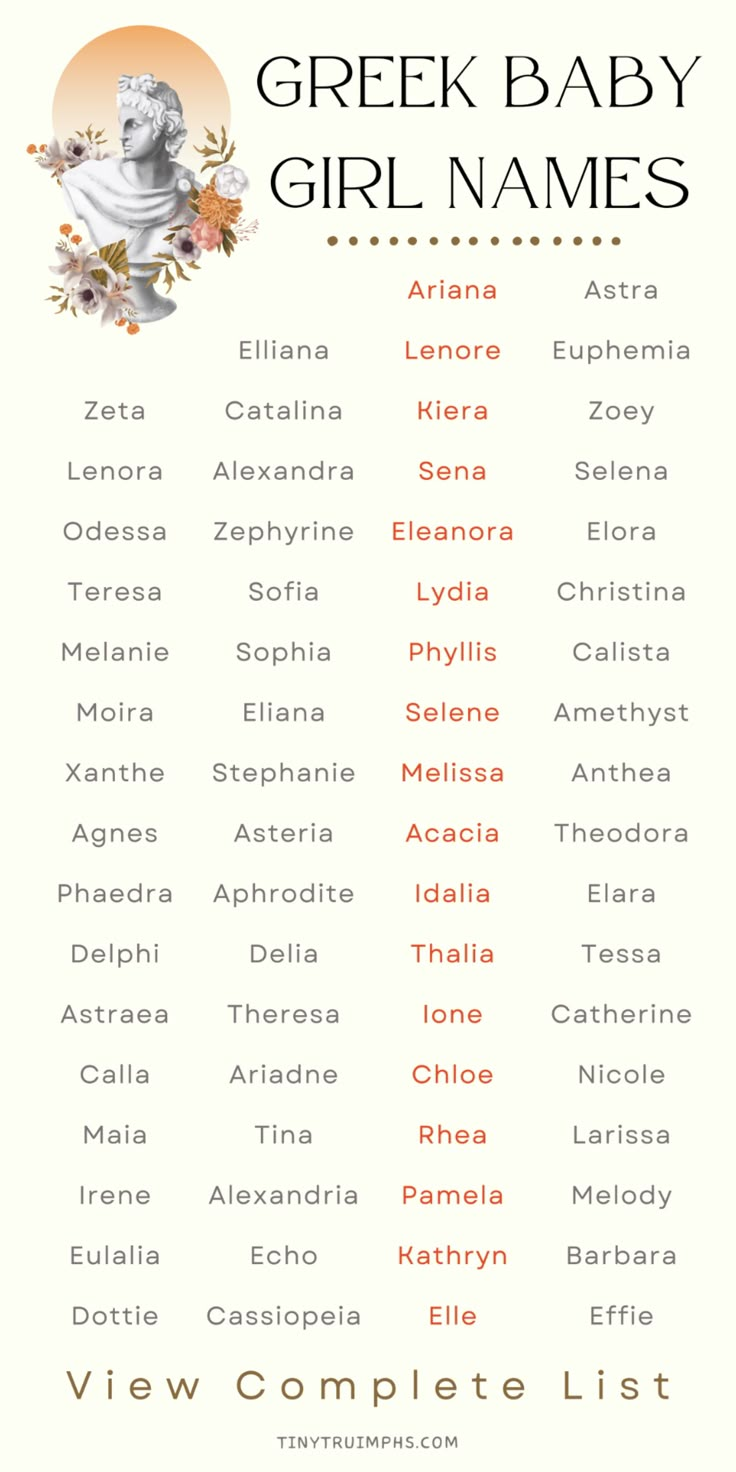
Popular Greek Girl Names 2024 Trends SEO
Choosing a name for a newborn is one of the most joyful and significant decisions parents face, and many are drawn to the rich history and melodic sound of...

Greek Boy Names Meaning Earth: Strong & Mythical Choices
Choosing a name for a newborn is a profound journey, and many parents are drawn to names that carry the weight of nature, stability, and origin. Greek boy...

The Complete Guide To The Irish Flag Explained History Meaning And Symbolism
The Irish flag is much more than a piece of cloth; it is a vibrant storybook that encapsulates the journey, struggles, and aspirations of a nation. Often...

Nature's Irish Surnames: Last Names Rooted in the Emerald Isle
Irish last names related to nature reveal a deep connection between identity and the landscape of the Emerald Isle, reflecting a heritage rooted in the soil...

Modern Wood Fence Styles Names Trending 2024
Choosing the right boundary for your outdoor space is about more than just utility, and the name you give to this structure often reflects the style and...

Nine Patch Quilt Meaning Symbolism History and Significance
The nine patch quilt meaning is deeply rooted in history, representing care, connection, and the resourcefulness of generations past. This classic pattern...