Delicious Good Cooking Themes For Inspired Kitchen Creativity
Choosing the right cooking themes transforms a simple meal into a memorable experience, setting the tone for your time in the kitchen and the story you want to tell through food. Whether you are planning a weeknight dinner for family, hosting a dinner party for friends, or developing content for a blog or social media channel, the theme you select guides every decision from ingredients to presentation. A strong theme provides focus and coherence, ensuring that your dishes work together harmoniously. This approach not only enhances the flavors on the plate but also creates a more efficient and enjoyable cooking process, reducing decision fatigue and wasted effort.
In the world of culinary planning, a good cooking theme acts as a compass, directing you toward complementary techniques, flavors, and inspirations. It helps you avoid the trap of random recipe selection, where disjointed dishes can confuse rather than satisfy your guests or audience. By defining your culinary goal, you can explore specific cuisines, seasonal produce, or cultural traditions with purpose. The right theme resonates with your personal style, whether that is bold and experimental or comforting and classic, making every step in the process feel intentional and satisfying.
Exploring Global Cuisines and Regional Inspirations
Diving into global cuisines offers a rich source of good cooking themes that can transport your palate across continents without leaving your kitchen. Focusing on a specific region, such as the Mediterranean, Southeast Asia, or the American South, allows you to build a menu around authentic ingredients and time-honored techniques. This approach encourages you to learn about the culture and history behind the dishes, adding depth and meaning to your cooking journey. By researching traditional methods and local customs, you can create meals that are not only delicious but also respectful and insightful.


When you select a regional cuisine as your theme, you naturally narrow your ingredient list, which simplifies shopping and preparation. For example, embracing Thai cuisine might lead you to explore lemongrass, coconut milk, and fresh herbs, while an Italian theme could highlight olive oil, tomatoes, and handmade pasta. This focused exploration helps you develop a deeper understanding of how core components build layered flavors. Over time, you will find that these themed explorations expand your repertoire and give you a toolkit of versatile techniques you can apply to countless dishes.
Sub-topic A: The Art of Spice and Aroma
Within regional themes, the strategic use of spices and aromatics can define the entire character of your cooking. A well-chosen theme allows you to study how different cultures layer flavors, using everything from warm Indian masalas to bright Latin American recados. Paying attention to how spices are toasted, ground, and added at specific stages of cooking can elevate simple ingredients into something extraordinary. This attention to detail turns your kitchen into a laboratory of scent and taste, where you can experiment confidently.


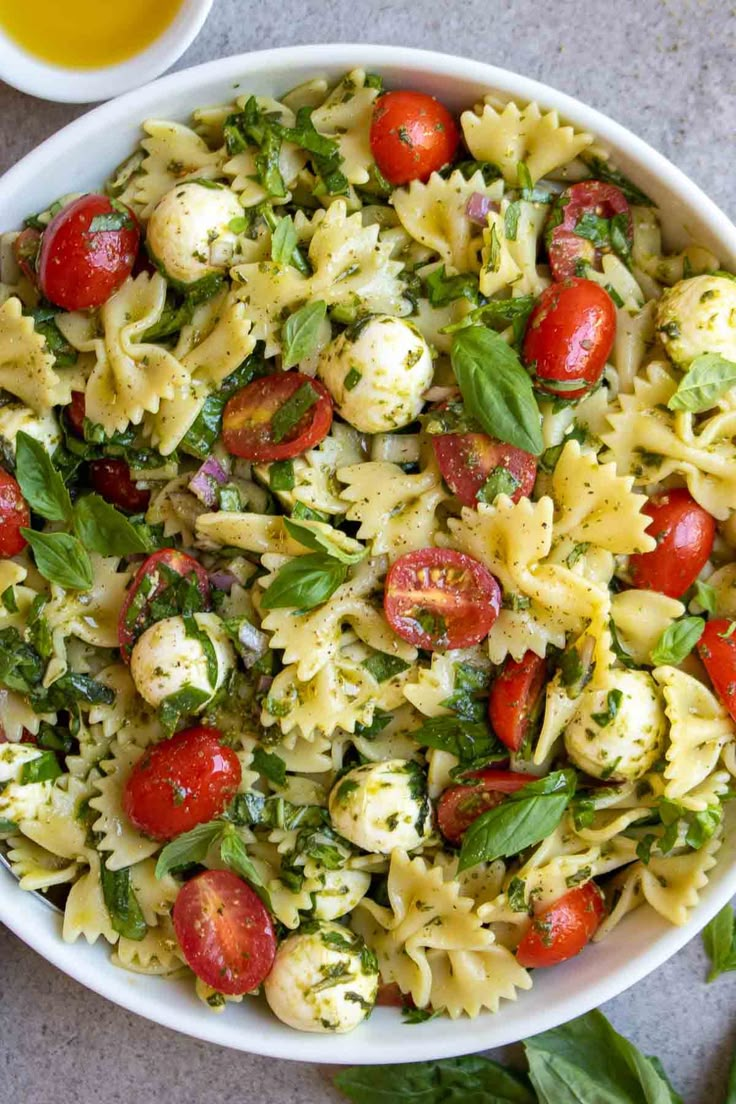
Building a menu around spice profiles encourages you to think holistically about the dishes you create. You might design an Indian-inspired feast featuring cumin, coriander, and turmeric, balancing heat with cooling elements like yogurt and mint. Similarly, a Moroccan theme might showcase cinnamon, saffron, and preserved lemon to create a harmonious blend of sweet and savory. By mastering these combinations, you gain the confidence to improvise and adapt recipes to your preferences while staying true to the essence of the theme.
Sub-topic B: Seasonal and Local Ingredient Focus
Regional themes often intersect with seasonal eating, providing a framework for celebrating fresh, local produce at its peak. A theme centered on spring vegetables, for example, might highlight asparagus, peas, and young lettuces, while a fall theme could focus on squash, apples, and hearty greens. This approach supports local farmers and reduces your environmental footprint, all while ensuring that your meals taste their absolute best. Cooking with the seasons keeps your menus dynamic and prevents the monotony of relying on the same ingredients year-round.
By tying your cooking themes to what is available in your local market, you embrace flexibility and creativity within a structured plan. You might visit a farmers market with the goal of finding inspiration, allowing the vibrant colors and textures to guide your selections. This practice encourages resourcefulness and helps you discover new varieties of familiar ingredients. Over time, you will develop an intuitive sense for how to build dishes that reflect the time of year and the character of your region.


Mastering Culinary Techniques and Creative Expression
Another powerful approach to good cooking themes involves focusing on specific techniques or methods, such as grilling, braising, or fermentation. By centering your meals around a particular skill, you can refine your abilities and gain a deeper mastery of your kitchen. This method transforms cooking into a continuous learning experience, where each session builds on the last. It also provides a clear structure for planning menus, as you can select recipes that naturally showcase the technique you are honing.
Technique-based themes encourage deliberate practice and experimentation. For instance, a braising theme might lead you to explore short ribs, osso buco, and classic coq au vin, revealing how the same principle applies to different proteins and flavor profiles. Similarly, a live-fire theme could inspire you to perfect your grill marks, smoke infusions, and charring methods. This focused practice not only improves your results but also makes the cooking process more engaging and rewarding.
Sub-topic C: The Science of Texture and Temperature
Delving into techniques allows you to explore the science behind cooking, particularly how texture and temperature interact to create satisfying dishes. A theme centered on contrast might pair crispy elements with creamy bases, such as a seared scallop atop a velvety parsnip puree. Understanding how heat affects proteins, starches, and emulsions gives you the tools to troubleshoot and innovate. This scientific approach turns cooking into a precise and creative endeavor, where every decision impacts the final outcome.


Moreover, technique-driven themes help you develop consistency in your results. By repeating processes like roasting, sous-vide, or smoking, you learn the nuances of timing and temperature control. This discipline translates into greater confidence, allowing you to adjust recipes on the fly and troubleshoot issues as they arise. The more you understand the mechanics of your craft, the more freedom you have to experiment and create dishes that are uniquely your own.
Sub-topic D: Narrative and Themed Menu Design
Beyond technical skill, cooking themes can be used to tell a story, creating a cohesive narrative that engages your guests or audience. A thoughtfully designed menu might follow a progression from light to rich, or from familiar to adventurous, guiding diners through a journey. For content creators, this approach provides a natural structure for recipes, videos, and articles, making it easier to build a series around a central idea. A themed menu feels intentional and curated, which enhances the overall dining or viewing experience.
When designing a narrative menu, consider how each dish connects to the next, creating a flow that feels seamless and logical. You might build a story around a single ingredient, like corn, exploring its many forms across soups, salads, and desserts. Alternatively, you could craft a theme based on a memory or place, such as a coastal dinner featuring seafood and citrus. These creative themes add emotional resonance to your cooking, whether you are serving a table of friends or producing content for a wide audience.
Ultimately, the best cooking themes are the ones that align with your goals, whether that means mastering new skills, celebrating local produce, or sharing a compelling story through your meals. By approaching your cooking with intention and purpose, you create a sustainable and inspiring practice that brings joy to both you and those who share your table. Exploring these different paths keeps your culinary journey fresh and full of discovery, encouraging you to return to the kitchen with curiosity and enthusiasm.
Related Articles

Top Cooking YouTube Channels for Delicious Recipes and Kitchen Hacks
Cooking youtube channels have transformed the way people learn, share, and experience food today, turning everyday kitchens into global stages where creativity...

Delicious Cooking Themes for School: Fun & Educational Recipes
Choosing cooking themes for school events can turn an ordinary day into a memorable experience for students, parents, and teachers. These themes set the tone...

Catchy Cooking Video Song Beats Kitchen Vibes
Selecting the right good cooking video song transforms a simple recipe clip into an immersive culinary journey. Music acts as the invisible thread that ties...

101 Best Cookbook Themes for Delicious Culinary Creations
A well chosen theme is the backbone of a successful cookbook, transforming a simple collection of recipes into a cohesive and inspiring culinary journey. The...

Big Green Egg Kitchen Ideas: 10 Delicious Recipes & Cooking Tips
Transforming your backyard into a culinary playground is easier than you might think with a big green egg kitchen idea at the center of it all. This versatile...

Top Cooking Games for iPad Delicious Recipes and Fun Kitchen Challenges
Cooking games for iPad have transformed how people engage with culinary themes, turning everyday screen time into a flavorful journey of creativity and skill...