Garden Salad With Ranch Dressing Nutrition Facts: Calories Fat Carbs Protein
Understanding the garden salad with ranch dressing nutrition facts helps you make confident choices whether you are building a lighter lunch or balancing a family dinner. This simple bowl of greens can carry a big flavor punch, and knowing exactly what is inside lets you enjoy it the way you like without second guessing every bite.
A classic garden salad pairs crisp lettuce, bright vegetables, and creamy ranch, and the nutrition profile can shift depending on portion size, ingredients, and how it is prepared. By breaking the meal into its core components, you can see how each forkful contributes to your overall diet and energy needs.
Core Nutrition Overview
At a basic level, a typical garden salad with ranch dressing delivers a mix of vitamins from vegetables, a satisfying crunch, and a smooth, tangy finish from the dressing. Calories usually land in a moderate range when the salad is built with plenty of greens and measured portions of dressing.


For many adults, a standard restaurant or homemade serving in the range of one to one and a half cups of greens with two tablespoons of full fat ranch will provide a few hundred calories, a small amount of protein, and a noticeable dose of fat, mostly from the dairy and oil in the dressing.
Calories and Portion Balance
Calories in a garden salad with ranch dressing depend heavily on how much dressing you use, since a light drizzle keeps the numbers lower while a heavy pour adds significant energy density. Choosing a slightly smaller portion of dressing can cut calories without sacrificing the flavor that makes the salad satisfying.


If you pile on high calorie extras like fried croutons, large amounts of cheese, or sweetened fruit, the calorie count climbs quickly, so adjusting these add ins is an effective way to manage your overall intake while still enjoying the experience.
Macronutrient Breakdown
In terms of macronutrients, the vegetables bring fiber and very little fat or carbohydrate, while the dressing contributes the majority of the fat and a moderate amount of calories. Protein in a basic garden salad usually comes from the dressing, cheese, or added protein like grilled chicken, and it helps keep you full between meals.
Balancing the plate with a source of lean protein and plenty of colorful vegetables turns the salad into a complete meal, while keeping fat from the dressing in check helps the calories support your goals instead of working against them.


Micronutrients and Add Ins
Leafy greens such as romaine, spinach, or mixed salad greens supply vitamins A, C, K, and folate, along with minerals like potassium and magnesium. Adding even a simple mix of cherry tomatoes, cucumber, and carrots dramatically boosts the antioxidant and fiber content of your garden salad with ranch dressing nutrition facts.
A well built salad can act as a multivitamin on a plate, especially when you include a wide range of colors. Each color represents different plant compounds, so mixing dark greens, orange vegetables, and red peppers gives your body a broader spectrum of support.
Smart Ingredient Swaps
Choosing Greek yogurt or a lighter ranch style can reduce saturated fat and calories while keeping the creamy texture you expect from the dressing. Adding nuts, seeds, or avocado introduces healthy fats that improve nutrient absorption and help you feel satisfied longer.


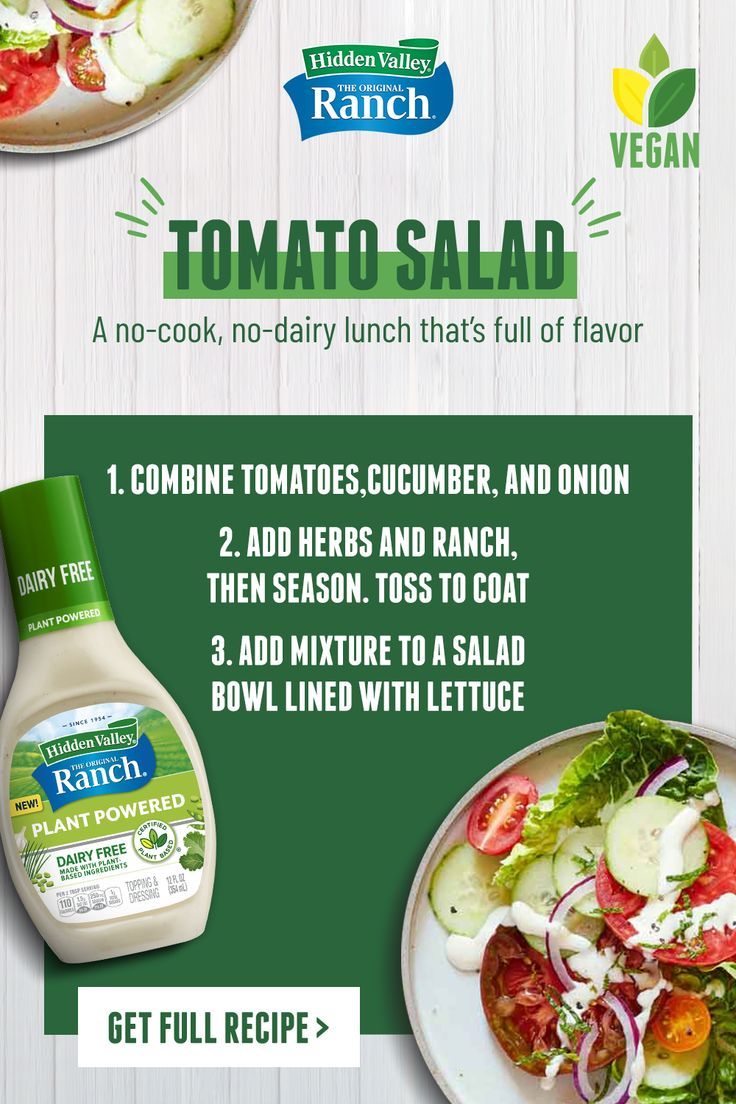


Using herbs, lemon juice, or a splash of vinegar brightens the flavors without adding extra sodium or sugar. These simple tweaks let you customize the salad to your taste while keeping the overall nutrition profile aligned with your health goals.
Sodium and Hidden Sugars
Some bottled ranch dressings can be high in sodium, which may be a concern for people monitoring their blood pressure or fluid balance. Checking the label for reduced sodium versions or making your own dressing with herbs and spices can lower the sodium load without losing flavor.
Although traditional ranch is not a major source of added sugar, some flavored varieties or sweetened add ins like candied nuts or fruit dressings can quietly increase your sugar intake. Reading ingredient lists helps you spot these additions and choose options that match your dietary preferences.
Practical Tips for Enjoyment and Control
Ordering out can be convenient, but restaurant portions often include more dressing and add ins than you might prepare at home. Asking for the dressing on the side, starting with a lighter layer, and adding more as needed gives you flexibility and control over the nutrition of your meal.
At home, measuring tablespoons of dressing, using a salad spinner for crisp greens, and prepping colorful vegetables in advance makes it easy to build a garden salad with ranch dressing nutrition facts that you can rely on for a quick, satisfying, and balanced meal any night of the week.
Paying attention to how your body responds to different combinations of vegetables, proteins, and dressings helps you fine tune your ideal bowl, and experimenting with new textures and flavors keeps your routine fresh, so you can keep enjoying the crisp simplicity of a thoughtfully built salad long after today.
Related Articles
Calories in a Large Garden Salad with Ranch Dressing: Healthy Recipe & Nutrition Facts
When you order a large garden salad with ranch dressing at your favorite restaurant, the calorie count is rarely just about the vegetables in the bowl. This...
Carbs in Garden Salad with Ranch Dressing: Nutrition Facts and Low Carb Options
Understanding the carbs in a garden salad with ranch dressing helps you enjoy this classic dish without guesswork about calories and nutrition. Many people...
Calories in a Small Garden Salad with Ranch Dressing: Nutrition Facts and Guide
Understanding the exact calorie count for a small garden salad with ranch dressing helps you make confident choices whether you are tracking macros or simply...
How Many Calories in a Large Garden Salad with Ranch Dressing Nutrition Facts
When you order a large garden salad with ranch dressing at a restaurant or prepare one at home, the calorie count can vary significantly based on specific...
Garden Salad With Ranch Nutrition Facts Calories And Health Benefits
When you picture the perfect garden salad with ranch, you are looking at a dish that balances bright, garden-fresh crunch with a cool, creamy tang that feels...
How Many Calories in a Garden Salad with Ranch: Crunchy Nutrition Facts
When you order a garden salad with ranch at your favorite restaurant or grab one from the grocery store, the question of how many calories are hiding in that...