Front Yard Golf Green: 9 Holes of Putting Paradise at Home
A front yard golf green is rapidly becoming one of the most sought-after upgrades for homeowners who love the game and want to elevate their outdoor living space. This private putting surface allows you to squeeze in a quick practice session before work, host friendly chipping competitions on the weekend, or simply enjoy a relaxed putt while the sun goes down. By transforming a small patch of lawn into a premium training area, you bring the course to your doorstep and turn an ordinary yard into a personal sanctuary for skill development and stress relief.
Unlike miniature golf or novelty backyard attractions, a dedicated front yard setup is engineered for realism, feel, and year-round usability. It combines high-quality putting turf, careful site preparation, and smart design to mimic the subtle breaks and ball response you would expect on a professional course. Whether you are a weekend hacker looking to shave strokes off your game or a seasoned competitor maintaining touch during the off-season, this feature supports a consistent and convenient practice routine right where you live.
Design Choices and Layout Planning
The success of a front yard green begins with thoughtful design and layout planning, which take into account sun patterns, drainage, and how the surface integrates with the existing landscape. You have to balance visibility and accessibility with neighborhood aesthetics, ensuring the installation looks intentional, clean, and well maintained. Collaborating with a specialist who understands grass selection, slope simulation, and green contouring helps you create a space that feels authentic while standing up to heavy use and varying weather conditions.


Strategic placement also impacts playability, because the orientation of the green can influence ball roll, visibility, and even how much maintenance it requires throughout the year. Many homeowners opt for a compact layout that fits neatly beside a driveway or along a side yard, while others embrace a larger sculpted area that becomes a signature feature of the property. Working with experienced installers who can model different green shapes and elevations ensures the final design matches your goals for both performance and curb appeal.
Surface Materials and Turf Selection
Picking the right surface material is essential for delivering a responsive and consistent roll, and premium artificial turf has become a popular choice for front yard greens. High-performance fibers are engineered to mimic the feel of real grass, with thatch layers and infill systems that control ball speed and provide the right amount of friction. This approach delivers a durable, low maintenance solution that performs well in varied climates and maintains its playability season after season.


Natural grass is another option for those who prefer an authentic look and softer footing, though it often demands more water, mowing, and overall upkeep. Hybrid systems that blend real grass with reinforcing fibers or specialized putting cultivars can offer a middle ground, improving durability without sacrificing the classic aesthetic. Careful attention to soil preparation, drainage, and mowing regimes ensures any natural surface stays true, firm, and consistent for precise putting practice.
Contours, Undulations, and Cup Placement
One of the most exciting aspects of a front yard green is the ability to design slopes, mounds, and breaks that challenge your judgment and touch. Subtle unduities transform a simple flat surface into a dynamic course, teaching you how to read elevation changes and adjust your line and speed accordingly. Thoughtful contouring can replicate the nuances you encounter on public courses, sharpening your ability to manage risk, pace, and overall course management skills in a familiar setting.
Cup placement and hole locations further refine this experience, allowing you to vary difficulty and keep practice sessions fresh. Adjustable cups positioned around the green create new angles, encourage creative shot making, and help you simulate pressure situations that feel almost like tournament play. By customizing these elements, you turn your yard into a versatile training ground that grows more rewarding as your skills improve.


Maintenance, Durability, and Year Round Use
Once installed, a front yard green requires a different kind of commitment than traditional landscaping, focusing on brushing, infill upkeep, and regular inspections to preserve performance. Artificial turf systems typically need occasional rinsing, brushing to keep fibers upright, and infill topping to maintain proper ball response and shock absorption. Natural or hybrid surfaces call for meticulous mowing, edging, and moisture management, all aimed at preventing bare spots and uneven bounces that can disrupt your practice rhythm.
Because the green is prominently displayed in the front yard, durability and long term appearance become critical considerations for both homeowners and potential buyers. Quality installation, proper base preparation, and consistent maintenance protect your investment, preventing dips, seam issues, or uneven wear that could detract from the overall look. When cared for correctly, these surfaces continue to perform at a high level, offering reliable playability through heat, cold, and varying levels of foot traffic.
Local Regulations and Neighborhood Harmony
Before you finalize plans, it is wise to review local zoning rules, homeowner association guidelines, and building permits that may affect the size, height, or visibility of your green. Some areas have specific restrictions on surface materials, water usage, or exterior modifications, so confirming compliance early helps you avoid delays and costly changes. Working closely with installers who understand these requirements ensures the project moves smoothly and meets every legal standard without compromising your design vision.


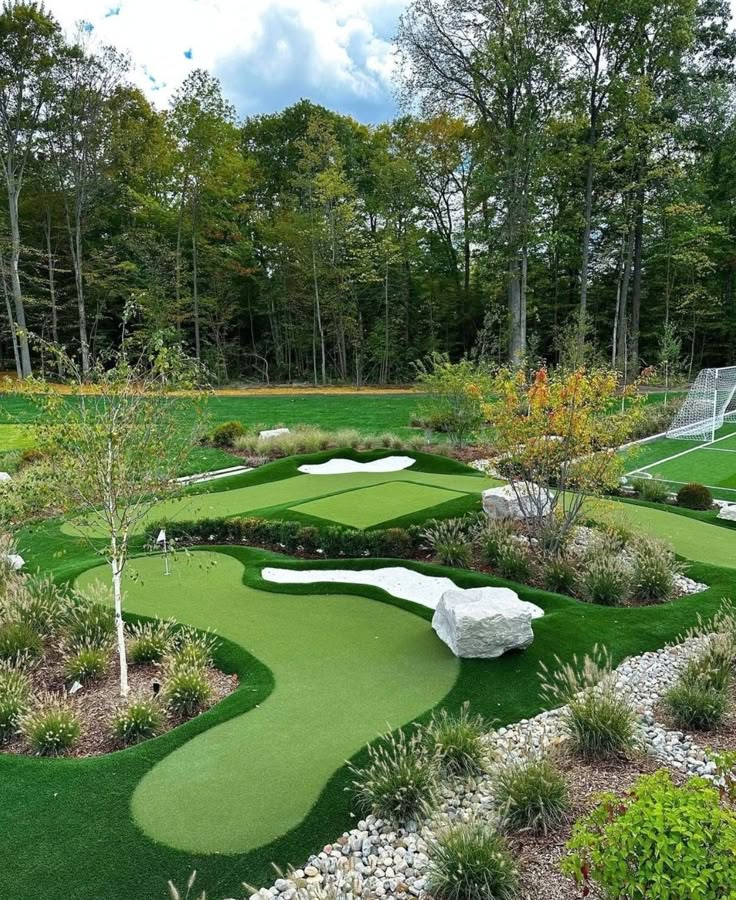


Community perception matters as well, because a thoughtfully integrated green can enhance the neighborhood by showcasing creativity and attention to landscaping. Neighbors often appreciate clean edges, tidy surroundings, and landscaping that complements rather than dominates the street view. By coordinating sight lines, screening equipment storage, and maintaining manicured borders, you can enjoy your private practice zone while keeping the curb appeal that aligns with the character of the area.
Cost, Value, and Long Term Benefits
Investing in a front yard green involves a range of costs, from site preparation and turf selection to custom contours and professional installation, yet many homeowners find the price tag worthwhile for the convenience and enjoyment it delivers. The ability to practice anytime without traveling to a course, the added uniqueness of the property, and the year round usability all contribute to a strong sense of personal value. For some, these factors translate into tangible returns if the feature boosts market appeal and differentiates the home in a competitive neighborhood.
Beyond finances, the long term benefits include improved skills, better physical activity, and a dedicated space for relaxation and friendly competition. Children, adults, and guests can gather around the green, creating shared memories centered on a simple yet engaging game. When planned carefully and maintained consistently, this feature becomes more than a luxury, evolving into a meaningful part of your lifestyle that brings satisfaction and enjoyment for years to come.
As you explore the possibilities for a front yard green, think about how the surface will evolve alongside your game, adapting to new techniques, weather patterns, and personal preferences over time. Talking with seasoned installers, studying successful residential examples, and experimenting with different hole layouts can help you fine tune the space until it feels like a natural extension of your home and passion. Understanding these details and visualizing your ideal setup encourages smart decisions that enhance both everyday practice and the long term enjoyment of your property.
Related Articles
15 Stunning Side Yard Putting Green Ideas for a Mini Golf Oasis
Transforming your side yard into a functional putting green turns an overlooked strip of grass into a year round practice space that sharpens your golf game...
Small Side Yard Putting Green: Mini Golf Perfection Compact Space
For many homeowners, a small side yard represents a challenging strip of land that is often overlooked, yet it holds immense potential for transforming your...
25 Front Yard Putting Green Ideas To Elevate Your Outdoor Space
Designing a front yard putting green brings the practice area directly to your daily view, turning an ordinary patch of grass into a personal training zone...
The Ultimate Guide to Building Your Perfect Front Yard Putting Green
A front yard putting green brings the discipline of golf directly to your home, turning an ordinary patch of lawn into a personal practice zone right outside...

DIY Backyard Putting Green Ideas 101 Perfect Lawn Golf Setup Tips
Creating a DIY backyard putting green can transform an ordinary patch of grass into a personal practice zone that sharpens your short game without leaving...

10 Stunning Putting Green Backyard Ideas for Golf Lovers
Creating a putting green in your backyard is one of the smartest ways to boost both the fun and the value of your outdoor space. Whether you dream of sinking...