Fun Family Game Night Ideas for Adults: Rediscover Connection
Finding new ways to connect as a family often feels harder for adults than it used to, especially when careers and caregiving dominate every evening. Family game ideas for adults shift the focus from simple children’s entertainment to sophisticated conversation, strategy, and genuine laughter that everyone looks forward to. Instead of just passing the time, these sessions become a weekly ritual where relationships deepen through playful competition and shared memories.
Unlike the games of childhood, the best options for grownups emphasize strategy, creativity, and a little bit of friendly rivalry without relying on pure luck. The goal is to create an environment where adults can unwind, showcase their knowledge, and bond over a shared activity that does not require screens. Choosing the right game can transform a quiet weeknight into a highlight of the month, fostering communication and inside jokes that last far beyond the final move.
Strategic Tabletop Triumphs
Board games designed for mature audiences provide the perfect blend of mental challenge and social interaction, making them a cornerstone of any family game night. These titles often feature complex decision-making, resource management, and tactical planning that keep thoughtful players engaged for hours. Selecting games that emphasize skill over chance ensures that every participant feels invested in the outcome, regardless of how many times they have played before.


When you introduce a new strategic game, the initial learning curve becomes part of the fun, encouraging teamwork and teaching patience. Watching family members negotiate trades or analyze the board creates dynamic interpersonal moments that standard conversation rarely achieves. These games serve as a neutral ground where different generations can compete on equal footing, respecting the wisdom of elders while appreciating the fresh insights of younger players.
Euro-Style Economic Simulations
Games in the Euro-style category focus on building networks, managing resources, and optimizing systems rather than direct conflict or theme-heavy storytelling. Players often assume roles such as city planners, railway tycoons, or shipping magnates, requiring careful calculation and long-term planning. Titles like this encourage families to discuss probability, efficient routes, and the balance between risk and reward in a low-stakes environment.


The elegant mechanics and minimal randomness of these simulations appeal to analytical thinkers who appreciate order and structure. Grandparents who enjoy mathematics and logic puzzles often shine in these scenarios, while younger adults learn valuable skills in budgeting and project management. This shared intellectual pursuit creates a calm yet competitive atmosphere that is both respectful and deeply engaging for all ages.
Wordsmith and Deduction Challenges
For families that love language, lateral thinking, or psychology, deduction and word games offer an exciting alternative to numerical strategy. These games require players to interpret clues, read expressions, and deduce hidden information from their opponents, turning every round into a battle of wits. The social deduction genre, in particular, encourages adults to lie convincingly or spot subtle tells, adding a thrilling layer of suspense.
Communication-focused variants help reserved family members come out of their shells, as they must articulate complex ideas within tight constraints. Watching a relative struggle to describe a simple concept without using specific keywords generates endless laughter and memorable quotes. These interactive puzzles strengthen vocabulary and listening skills while ensuring that even the quietest participants have a chance to contribute to the group dynamic.



Themed Party and Creative Ventures
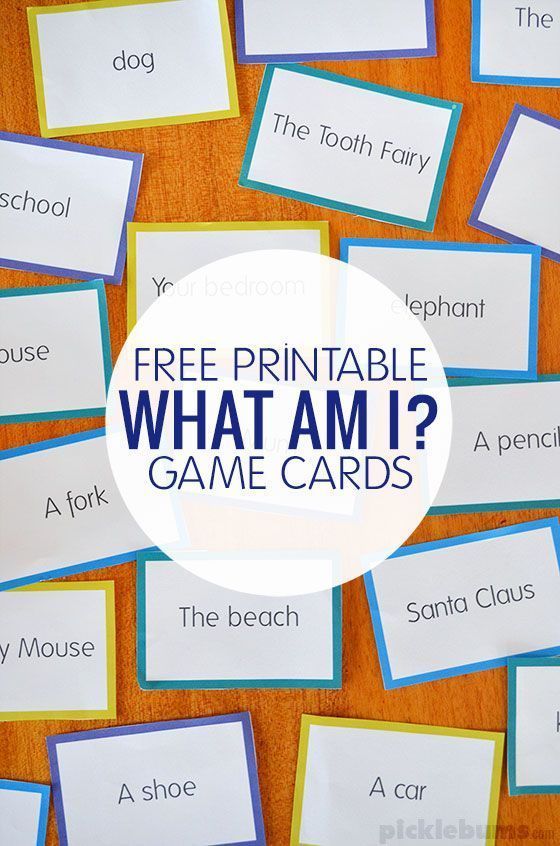
Sometimes, the family is in the mood to laugh rather than think, which is where themed party games and creative ventures excel. These options prioritize quick reactions, hilarious prompts, and improvisation over complex rules, ensuring that anyone can jump in at any time. The energy in the room becomes electric as stories unfold and imaginations run wild, transforming an ordinary evening into a memorable party.
Unlike traditional board games, these activities often require nothing more than a deck of cards or a simple app, making them incredibly accessible. They serve as excellent icebreakers for relatives who do not see each other often, providing an immediate common ground for interaction. The focus on creativity and humor helps dissolve tensions and generational gaps, fostering a sense of unity through shared amusement.
Improvisation and Storytelling Games
Storytelling games allow families to collaboratively weave ridiculous narratives, with each person contributing a sentence or scenario. This format brings out the playwright and comedian in everyone, as participants build on unpredictable twists and absurd character choices. The results are often surreal and side-splitting, capturing the spontaneous magic of childhood pillow forts made of conversation.


Improvisation prompts challenge players to act out scenarios or emotions without speaking, relying on expressive gestures and exaggerated reactions. These exercises improve empathy and emotional intelligence, as players must interpret subtle cues and respond authentically. Such activities remind adults that play is not just for children; it is a vital tool for staying present and connected in a fast-paced world.
Quick-Draw and Performance Challenges
Games that involve drawing complex concepts within a short time limit or performing dramatic scenes tap into the competitive adrenaline many adults crave. The awkwardness of a stick-figure interpretation of a philosophical term or the over-the-top acting required for a dramatic movie scene never fails to generate roaring laughter. These moments break down the facade of professionalism that adults often maintain in daily life.
By rotating the role of judge or scorekeeper, every family member gets a turn to influence the direction of the game, ensuring fairness and active participation. The low barrier to entry means that artistic skill or theatrical talent is not required, only the willingness to have fun. This inclusivity ensures that multi-generational groups remain engaged, with grandparents and teenagers contributing equally to the hilarity.
Revisiting these family game ideas for adults over time reveals how preferences evolve, with some groups gravitating toward intense strategy while others stick to chaotic party fun. The variety ensures that no single night ever feels repetitive, and there is always a new title or challenge to explore together. Treating game night as a non-negotiable appointment on the calendar reinforces the importance of connection in a busy world, creating a reliable space for joy and reunion. Allow these shared moments to spark new traditions, encouraging everyone to put away their devices and rediscover the simple pleasure of playing together.
Related Articles

Enchanting Outdoor Birthday Party Ideas at Night for Kids and Adults
Planning an outdoor birthday party at night brings a special kind of magic that daytime gatherings simply cannot match. After the sun goes down, ordinary...

Elevate Your Snack Game: 15 Adult-Friendly Bar Ideas Recipes And Hacks
As an adult, snack time quietly evolves from childhood grab-and-go moments into a deliberate pause that can fuel focus, smooth afternoon energy crashes, and...

Small Video Game Room Ideas For Adults Cool Designs And Layouts
Creating small video game room ideas for adults is all about balancing your passion with the realities of limited square footage and a refined taste. Many...

Fun Paint Night Ideas for Adults: Creative & Relaxing Art Sessions
Adult paint night ideas are transforming how friends unwind together, turning ordinary evenings into vibrant, screen free celebrations of color and creativity...

Elevate Your Snacking Game with the Ultimate Adult Snack Basket Ideas
Creating the perfect snack basket for adults is about more than just throwing a few chips into a bowl; it is an art form that sets the tone for relaxed...

Delicious Late Night Party Food Ideas For Adults To Snack On
Planning a late night party for adults means designing a menu that feels exciting yet easy to manage while the music stays loud. The best late night party food...