Master Ethos Pathos Logos Noun Persuasion Secrets
The phrase ethos pathos logos noun represents a powerful triad of persuasive tools that has shaped communication since ancient times. Understanding this grouping helps modern writers and speakers craft messages that resonate deeply with their audience. Each element corresponds to a distinct method of convincing others, from character and emotion to logical structure.
Breaking down this concept reveals how these three pillars support effective rhetoric in every context. When you analyze a speech, an advertisement, or a policy debate, you are likely witnessing these principles in action. This framework provides a timeless structure for evaluating and improving your own communication strategies.
Understanding the Three Pillars of Persuasion
Ethos refers to the credibility and ethical character of the speaker or writer, establishing trust with the audience before any argument is even presented. Pathos targets the emotional landscape, using stories, imagery, and language to stir feelings that align with the intended message. Logos focuses on the rational structure, employing data, evidence, and clear reasoning to guide the audience toward a logical conclusion.


These three pillars work interdependently, as a strong ethical foundation makes emotional appeals more authentic, while logical evidence reinforces both credibility and feeling. In practice, neglecting one pillar often weakens the entire argument, leaving gaps that a discerning audience can easily identify. Mastery of this triad allows for a balanced and compelling delivery that addresses the mind, the heart, and the conscience.
Ethos: The Ethics of Authority
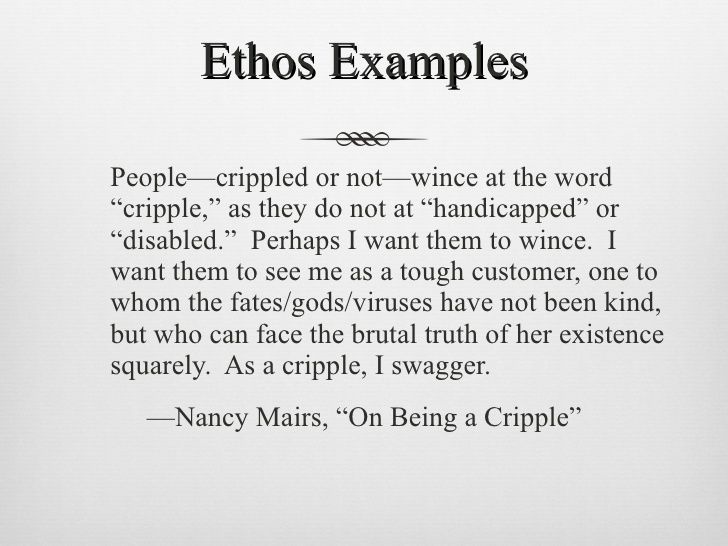
Ethos operates on the principle that people are more likely to be convinced by those they perceive as competent and trustworthy. Establishing this authority involves demonstrating expertise, citing reliable sources, and maintaining a tone of fairness and integrity throughout the discourse. A speaker who shows respect for opposing viewpoints often strengthens their own ethos, signaling confidence rather than insecurity.


Every detail contributes to this perception, from professional appearance to the clarity of speech and the precision of language used. For instance, a doctor explaining a medical procedure holds inherent ethos, but they must still back their claims with research to maintain that trust. This consistent alignment between character and evidence ensures that the audience feels safe and respected while considering the argument.
Pathos: The Language of Emotion
Pathos is the art of connecting with an audience on a human level, bypassing pure logic to tap into hopes, fears, and aspirations. A skilled communicator might use vivid anecdotes, powerful metaphors, or carefully chosen words that evoke strong visceral responses. The goal is not to manipulate but to create a shared emotional experience that makes the message memorable and impactful.
Consider a charity campaign that shows images of children in need; this visual pathos compels viewers to act through compassion rather than pure calculation. Similarly, a leader rallying a community after a disaster will lean on pathos to restore hope and unity. When used ethically, this emotional resonance transforms abstract ideas into deeply personal convictions.


The Role of Logic in Persuasive Speaking
Logos provides the structural backbone of any solid argument, ensuring that claims are supported by verifiable evidence and sound reasoning. This pillar relies heavily on statistics, historical data, analogies, and step-by-step deduction to build a case that is difficult to refute. In a world saturated with information, a clear and logical presentation helps an audience navigate complexity without feeling overwhelmed.
Without logos, even the most passionate speech can feel hollow or unfocused, leaving listeners questioning the validity of the message. By organizing ideas into a coherent sequence, the speaker demonstrates respect for the audience's intelligence. This respect encourages active engagement, as listeners can follow the progression of thoughts without getting lost in ambiguity.
Sub-topic C: Data and Reason as Foundations
Effective use of logos involves selecting relevant data that directly supports the central claim, avoiding information overload or misleading statistics. A well-placed statistic can crystallize a complex issue, making it instantly understandable and compelling to a general audience. When combined with clear examples, logical arguments become accessible even to those without specialized knowledge.




Furthermore, anticipating counterarguments and addressing them with calm, factual evidence strengthens the overall logos of the discourse. This approach shows intellectual honesty and reassures the audience that the speaker has considered multiple angles. The result is a persuasive exchange grounded in reality rather than mere opinion or speculation.
Sub-topic D: Structuring a Rational Argument
Structuring a logical argument requires a clear introduction of the thesis, followed by body paragraphs that each present a single, well-supported point. Transitions between these points are crucial, as they guide the listener through the reasoning without confusion. Visual aids, when used correctly, can further enhance logos by providing a concrete representation of abstract data.
Consistency in terminology and defined terms prevents misunderstandings and keeps the focus on the evidence. By maintaining this structural discipline, the speaker ensures that the logos component of the message is robust. This structural integrity allows the audience to see the path from evidence to conclusion without unnecessary detours.
Applying the Triad in Modern Contexts
In contemporary media, from political debates to marketing campaigns, the interplay of ethos, pathos, and logos determines whether a message cuts through the noise. Digital communicators must balance these three elements to cut through short attention spans and build lasting engagement. A viral video might rely heavily on pathos, but its longevity often depends on the ethos of the creator and the logical consistency of the narrative.
Understanding this noun as a system allows individuals to deconstruct persuasive messages they encounter daily, fostering media literacy. It empowers consumers to ask critical questions about the source's credibility, the emotional triggers being used, and the validity of the evidence presented. This analytical skill is essential in an era where information flows faster than ever.
Mastering the interaction between ethos pathos logos noun transforms how you connect with others, whether you are pitching an idea, teaching a class, or sharing a personal story. By consciously developing each pillar, you create a versatile toolkit for genuine communication that stands up to scrutiny. This journey turns abstract rhetorical theory into a practical asset for everyday life.
As you refine your ability to weave ethics, emotion, and logic together, you will notice a new confidence in your ability to inspire and inform. The real reward lies not just in winning an argument, but in building bridges of understanding with your audience. Exploring these concepts further will continue to sharpen your voice in an increasingly complex communicative landscape.
Related Articles
What Is Ethos Pathos Logos Definition: Master Persuasion Secrets
Understanding what is ethos pathos and logos definition is essential for anyone who wants to communicate with clarity, influence, and precision in both writing...
Ethos Pathos Logos Definition In Literature Explained Master The Art Of Persuasion
Understanding ethos pathos logos definition in literature reveals the timeless architecture of persuasive communication, where writers and speakers...

Master Ethos Pathos Logos In English Class Unlock Persuasive Secrets
Understanding the ethos pathos logos English class provides students with a powerful framework for analyzing communication and strengthening their own writing...
Ethos Pathos Logos Definition Literature: Master the Art of Persuasion
Understanding ethos pathos logos definition literature is essential for anyone who wants to analyze how persuasive communication works in stories, essays, and...

Ethos Pathos Logos English Definition Master The Art Of Persuasion
Understanding the ethos pathos logos English definition is essential for anyone looking to improve their ability to persuade and communicate effectively...

Ethos Pathos Logos Notes: Master Persuasion Techniques Swiftly
Mastering ethos pathos logos notes is essential for anyone seeking to build persuasive arguments and impactful communication. These three classical appeals...