Easy Recipe To Make Buttermilk: Creamy Tangy DIY Guide
Making buttermilk from scratch is one of the simplest kitchen tasks you will ever do, yet it unlocks a world of better flavor and texture for your baking. This easy recipe to make buttermilk requires just two ingredients you already have in your fridge, and it takes only a few minutes to mix. Whether you are preparing biscuits, pancakes, or a tender cake, having real buttermilk on hand makes a noticeable difference.
Traditional cultured buttermilk is the liquid left after churning butter, but today most people mean a simple mixture of milk and an acid when they ask for an easy recipe to make buttermilk. The goal is to create a thick, tangy liquid that mimics the taste and performance of commercial buttermilk without any added preservatives. This quick process also gives you control over the thickness and flavor profile based on what you are cooking.
Basic Method and Simple Variations
The basic method is straightforward and forgiving, which makes it perfect for beginners and experienced cooks alike. You simply combine regular milk with a small amount of an acidic ingredient to simulate the tang and slight thickening that real buttermilk provides. This easy recipe to make buttermilk ensures your baked goods stay tender and rise beautifully every time.
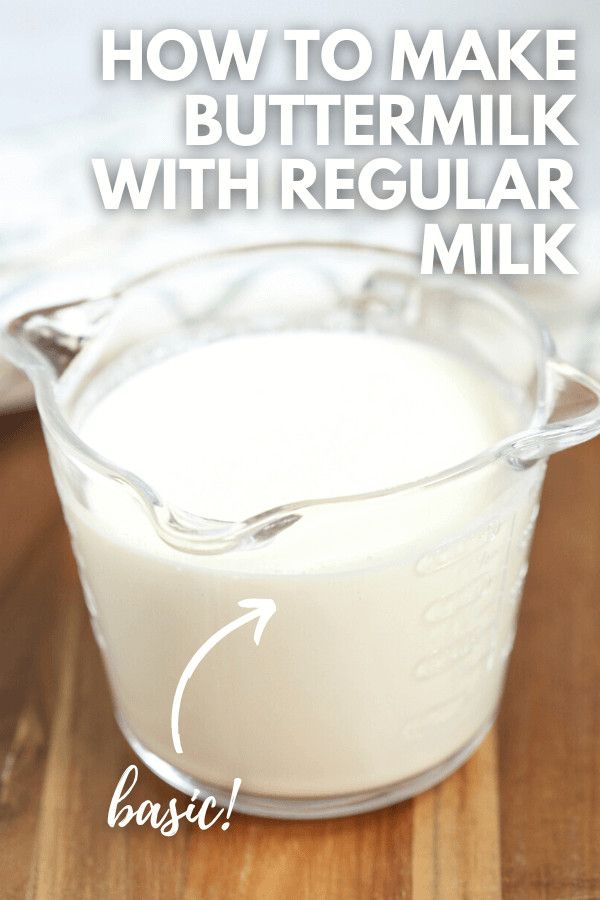


Because this mixture behaves like true buttermilk, you can use it in any recipe that calls for it without worrying about off flavors or poor texture. The acid reacts with baking soda to create gentle lift in your batter, giving you a light crumb and a subtle richness that plain milk cannot replicate.
Using Vinegar
One of the easiest ways to start your easy recipe to make buttermilk is to measure out one cup of milk and then stir in one tablespoon of distilled white vinegar. The vinegar quickly acidifies the milk, creating a pleasant tang and a slightly thicker consistency that clings to your baking ingredients. This method is reliable, affordable, and works with any type of milk you prefer.


Stir the mixture gently and let it sit for about five to ten minutes until it looks pleasantly thickened. You will notice a subtle change in aroma, which signals that the acid is working with the milk proteins. This simple step delivers consistent results whether you are using whole milk, skim milk, or a plant-based alternative.
Using Lemon Juice
If you prefer a more natural approach, fresh lemon juice is an excellent choice for this easy recipe to make buttermilk. Combine one cup of milk with one tablespoon of lemon juice, then give it a gentle stir. The milk will gradually thicken and develop a bright, citrus-friendly tang that works especially well in cakes and quick breads.
Lemon juice adds its own clean flavor while still providing the acidity needed for your baking powder and baking soda to react properly. Allow the mixture to rest for several minutes so you can see small bubbles form and feel the slight thickening that signals it is ready to use.


Tips, Substitutions, and Troubleshooting
Once you master this basic approach, you can experiment with different types of milk to adjust the richness of your final dish. Using whole milk creates a velvety texture, while low fat or nonfat options still work well if you are watching calories. The easy recipe to make buttermilk remains flexible, so you can tailor the fat content to the specific recipe and your personal preferences.
Cold milk is perfectly fine, but letting the mixture sit at room temperature for a few minutes can help the acid distribute more evenly and speed up thickening. If your batter seems too thin after adding your homemade buttermilk, you can always add a little more flour, but generally the texture will be just right for tender cakes, muffins, and biscuits.
Sometimes you might notice a few small chunks or slight curdling; this is normal and does not mean your buttermilk has gone bad. It simply indicates that the acid has begun to coagulate some of the milk proteins, which is actually helpful for creating structure in baked goods. As long as the smell is pleasantly tangy rather than sour or off, your mixture is safe to use.


If you accidentally add too much acid, you can compensate by adding a pinch of baking soda and stirring gently until the fizzing calms down. Just be careful not to overdo it, because too much baking soda can leave a metallic aftertaste. Adjusting the acidity a little at a time helps you keep the balance needed for a light, airy crumb.
Storing your extra mixture in a sealed container in the refrigerator is fine for a day or two, though it is best used soon after preparation for maximum freshness. Give it a quick stir before using, as it may separate slightly when chilled. This makes it convenient to keep on hand for last minute baking sessions without wasting a drop.
With this reliable easy recipe to make buttermilk, you always have the foundation for delicious, bakery quality treats right in your kitchen. You will find that your pancakes are fluffier, your biscuits more tender, and your cakes more moist every time you use this simple mix.
Next time a recipe calls for buttermilk, you will know exactly how to prepare it in minutes and enjoy the superior flavor and texture that only homemade buttermilk can bring to your favorite baked goods.
Related Articles

Creamy Boar's Head Greek Yogurt Dip Recipe tangy savory appetizer easy make
Boar's head greek yogurt dip is the kind of appetizer that quietly steals the show the moment it hits the table, turning an ordinary gathering into a memorable...

Can You Make Chili With Diced Tomatoes: Easy Recipe Guide
Diced tomatoes bring a bright, reliable flavor to almost any pot on the stove, so when people ask can you make chili with diced tomatoes, the quick answer is a...

Easy Vegetable Lasagna Recipe Simple Step by Step Guide
Making a simple vegetable lasagna is easier than you might think, especially when you strip away the intimidation and focus on fresh, colorful ingredients...

Easy Snacks to Make with Friends The Ultimate Fun Recipe Guide
Making snacks with friends turns simple ingredients into memorable moments, and this guide is your roadmap to stress free fun. The idea of easy snacks to make...

Creamy Chicken Bacon Pasta Recipe Quick Easy Dinner Ideas
Imagine twirling forkfuls of rich, creamy chicken and bacon pasta while the savory aroma fills your kitchen; this dish is the perfect balance of comfort and...

Easy White Pumpkin Soup Recipe Creamy Delicious And Simple To Make
Easy white pumpkin soup brings a light, creamy comfort to the table without the classic orange pumpkin flavor. This simple dish turns pale, sweet white pumpkin...