dirty kitchen designs outdoor stylish ideas and inspiration
Designing a dirty kitchen outdoors transforms the way you interact with food, nature, and entertaining, creating a space where the mess of real cooking becomes part of the charm. This concept moves the traditional indoor kitchen beyond the confines of the house, embracing smoke, spice, and the occasional splash as features rather than problems. By situating the heart of culinary activity in the open air, you invite an energetic, lived-in atmosphere that feels authentic and deeply connected to the elements.
The outdoor version of this design celebrates imperfection and utility, using durable, weather-worn materials that tell a story over time. It is about building a workshop for the senses, where the smell of smoke, the sound of sizzling, and the vibrant colors of fresh ingredients blend into an immersive experience. Choosing this path means prioritizing function and flow, ensuring the space supports everything from prep work to grilling, while maintaining a strong visual link to the surrounding landscape.
Embracing Durable and Weather-Resistant Materials
The foundation of any successful dirty kitchen outdoors lies in selecting materials that are built to last against the elements. You need surfaces that can handle heat, moisture, and constant use without losing their character, ensuring the space remains functional and attractive for years. This approach avoids delicate finishes in favor of robust, tactile options that develop a patina with each season.


Materials like weathered steel, reclaimed wood, and dense stone such as granite or concrete are ideal for this environment. They provide the necessary strength for workstations and cooking appliances while offering a rustic, authentic aesthetic. The goal is to create a palette that feels grounded and substantial, resisting the urge to keep the space looking brand new and instead allowing it to evolve.
Weathered Steel and Metal Accents
Weathered steel, with its distinctive rusted appearance, is a cornerstone material for capturing that authentic dirty look. It is incredibly durable, resistant to rot and insects, and develops a richer, more complex finish over time as it interacts with the weather. Using it for structural frames, shelving, or a custom grill station immediately establishes the outdoor kitchen's rugged character.


Complementing the primary steel with other metals like bronze, copper, or darkened iron for faucets, lighting fixtures, and hardware adds depth and a sense of curated history. These accents can be chosen for their ability to patina, creating a cohesive look where every metal element tells a story of exposure and use. The variation in tones and textures prevents the design from feeling too heavy or monolithic.
Reclaimed and Eco-Friendly Surfaces
Incorporating reclaimed wood for countertops, shelving, or a farmhouse-style table brings warmth and unique character to the outdoor kitchen. Each piece carries a history, with nail holes, weathering, and variations in grain contributing to the overall narrative of a lived-in space. This choice is both environmentally conscious and visually compelling, offering a direct connection to the past.
For surfaces that require more non-porous options, eco-friendly engineered stone or recycled glass composites can be used strategically. These materials provide the practicality needed for food preparation while still aligning with the organic, natural aesthetic. The key is to mix new, high-performance elements with old, reclaimed ones to achieve a balanced and authentic dirty kitchen look.


Designing for Function and Culinary Workflow
Beyond aesthetics, a well-designed outdoor dirty kitchen must function as a highly efficient workspace. This requires careful planning of the layout, ensuring that the grill, prep areas, and cleaning stations are arranged in a logical sequence. The goal is to minimize movement and maximize ease, allowing the cook to move seamlessly from chopping to grilling to plating.
Integrating ample storage is also crucial for maintaining the "dirty" look without creating clutter. Built-in cabinets, under-counter refrigerators, and lockable storage for valuable tools keep the essentials organized and protected. This thoughtful storage ensures that the space feels open and airy when in use, while providing a neat home for equipment when not in use.
The Central Cooking Apparatus
At the heart of the design is the cooking apparatus, which is often the focal point of the entire setup. Whether it is a custom-built wood-fired pizza oven, a large charcoal grill, or a combination of both, this element defines the character of the space. The visual impact of the smoker, flames, and surrounding steel work is a primary reason for adopting this outdoor concept.


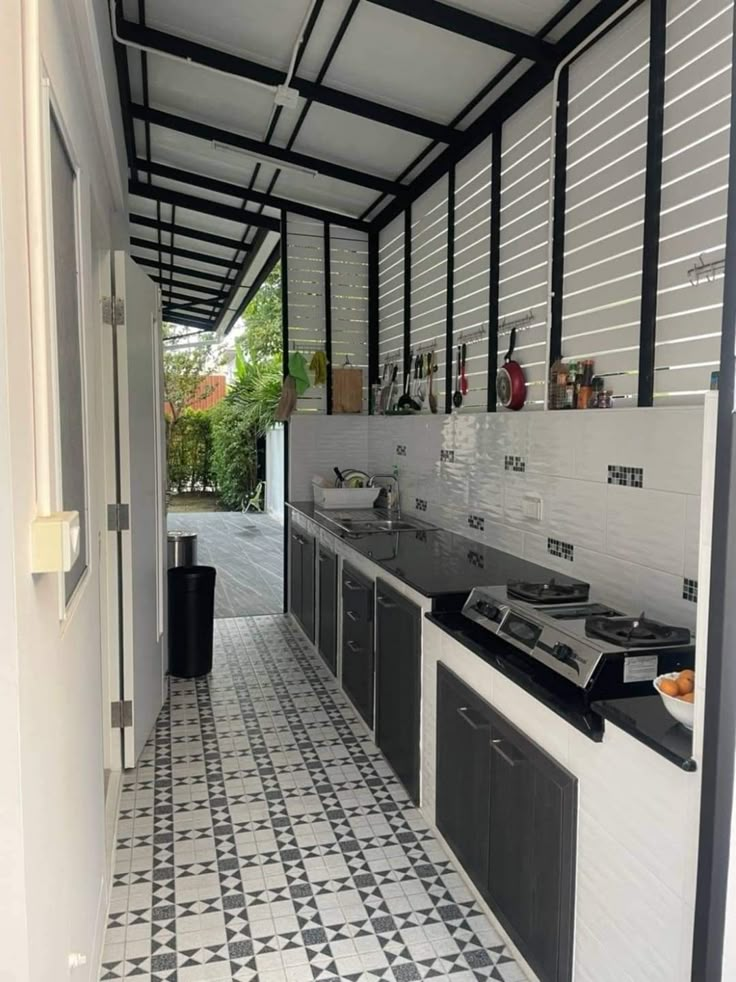


Surrounding this central unit with heat-resistant materials like brick, stone, or specialized concrete panels creates a safe and visually dynamic zone. This area should be designed for both the serious cook and the curious observer, providing a clear vantage point to enjoy the process of cooking. The area becomes a gathering point, drawing people in with the promise of delicious, authentic food.
Essential Utility Zones
A truly functional dirty kitchen requires dedicated zones for water, fire, and waste management. Access to a reliable water source for cleaning produce, washing dishes, and fighting grease is non-negotiable. Installing a stainless steel sink or a plumbed basin with a drainage system that prevents water from pooling is essential for maintaining hygiene and workflow.
Waste management is equally important and should be considered from the very beginning. Designing inbuilt systems for composting food scraps and containing grease ensures that the space remains clean and odor-free. Thoughtful placement of these utilities keeps the main cooking and prep areas streamlined and focused on the food preparation process.
Creating Ambiance and Atmosphere
The ambiance of an outdoor dirty kitchen is what elevates it from a simple utility space to a true entertainment hub. This is achieved through a combination of thoughtful lighting, comfortable seating, and design elements that enhance the sensory experience. The goal is to create an inviting environment that is as enjoyable to linger in before dinner as it is to cook in during the meal.
Unlike a pristine indoor kitchen, this space thrives on energy and a sense of occasion. It is designed to be used, enjoyed, and shared, where the focus is on the experience of gathering, cooking, and celebrating the simple act of sharing a meal. The design supports this lifestyle, encouraging people to stay, relax, and connect.
Lighting for Mood and Safety
Strategic lighting is critical for extending the use of the space into the evening. Task lighting above the grill and prep areas ensures safety and functionality, while mood lighting creates a warm and inviting atmosphere. Hanging pendant lights, string lights, or integrated landscape lighting can all contribute to a layered and dramatic effect.
Using dimmable fixtures allows you to adjust the ambiance based on the occasion, from bright and functional for serious cooking to soft and intimate for late-night conversations. The interplay of light and shadow on the textured surfaces of the materials adds depth and visual interest long after the sun has set.
Integrating Greenery and Comfort
Softening the hard edges of the dirty kitchen with lush greenery is a powerful design trick. Potted herbs, vertical gardens, or surrounding planters filled with vibrant flowers connect the space to the natural world and add splashes of color. These plants can even be functional, providing fresh garnishes and ingredients directly at your fingertips.
Comfortable seating is another key component of the atmosphere. Durable, weather-resistant stools, a large communal table, or a cozy sectional area allow guests to move freely between the social space and the cooking zone. This fluid transition ensures that the chef is not isolated in the heat and smoke but remains an integral part of the gathering.
As you shape your own outdoor culinary retreat, consider how each element—from the rugged materials to the carefully planned workflow—contributes to a richer, more connected way of living. The ongoing evolution of the space, marked by every meal shared and every story told around the fire, will continue to define its unique character and value long after the initial design is complete.
Related Articles

Galley Kitchen Ideas with Breakfast Bar: Stylish & Functional Designs
Designing a galley kitchen with a breakfast bar is a smart move for anyone who values efficiency and style in a compact layout. This layout maximizes every...

Modern Japanese Garden Fence Ideas 101 Stylish Designs for Serene Outdoor Spaces
Modern Japanese garden fence ideas blend timeless tradition with clean, contemporary design, creating tranquil boundaries that invite calm into any outdoor...

Garden Edging Ideas Perth Stylish Designs For Outdoor Spaces
Creating beautiful and functional garden edges is a smart way to improve curb appeal and bring structure to outdoor living spaces in Perth. Homeowners across...

Window Seat Kitchen Ideas: Stylish Designs for Small Spaces
Designing a window seat kitchen combines practicality with charm, turning a humble nook into the heart of your home. This layout works beautifully in both...

Kitchen Pull Out Drawer Ideas Space Saving Hacks and Stylish Designs
Transforming the heart of your home into a place of effortless efficiency starts with how you organize your everyday essentials, and few upgrades rival the...

DIY Garden Fence Border Ideas 2024 Stylish Outdoor Designs
Creating a diy garden fence border is one of the most rewarding projects for any homeowner who wants to define outdoor living spaces with style and purpose. A...