Decorative Garden Cage Ideas Stylish Outdoor Plant Supports
Decorative garden cages are becoming a favorite way to bring structure, style, and personality to outdoor spaces. These striking installations act as both functional supports and bold design statements, framing flowers, vines, and pathways with an artistic edge.
Whether you are refreshing a compact balcony or planning a large backyard sanctuary, a decorative garden cage can define zones, highlight focal points, and create a sense of intentionality. The right cage choice elevates plant health, organization, and visual impact without sacrificing beauty.
Design and Material Options to Suit Any Style
Modern gardens benefit from clean lines and minimal upkeep, and a decorative garden cage can deliver exactly that look. Available in metals, coated woods, and composite materials, these structures are designed to resist weather while maintaining their visual appeal season after season.


Material choices influence both durability and aesthetics, so it is important to match the cage to your environment and design goals. Thoughtful selection ensures the cage complements your home, outdoor furniture, and surrounding landscape.
Wrought Iron and Metalwork for Timeless Elegance
Wrought iron and ornamental metal cages offer intricate patterns that add old world charm or sophisticated contemporary flair. The strength of metal allows for slender profiles that provide sturdy support without overwhelming plant beds or patio areas.


Powder coated finishes protect against rust and fading, enabling you to choose bold colors or muted tones that blend seamlessly with your exterior palette. A metal decorative garden cage can become a signature feature that ties the entire yard together.
Wood and Composite Structures for Warm, Natural Looks
For a softer, more organic feel, wood and composite decorative garden cages bring warmth and texture to shaded corners and woodland gardens. Cedar and treated timber resist decay and insects, making them practical for long term landscape projects.
Composite materials mimic the appearance of wood while offering enhanced water resistance and low maintenance. These options are ideal if you want the classic look of timber with less upkeep and greater sustainability.


Functional Benefits for Plants and Garden Layouts
Beyond visual impact, a decorative garden cage serves critical roles in organizing growth, protecting plants, and improving accessibility. By guiding vines and shrubs along controlled paths, cages reduce disease pressure and make harvesting or pruning more efficient.
Strategic placement of these structures can also optimize sunlight exposure and airflow, helping delicate species thrive in challenging climates. The result is a healthier garden that looks polished and well cared for throughout the year.
Supporting Climbing and Trailing Plants
Climbing roses, clematis, and sweet peas perform best when given a reliable structure to latch onto, and a decorative garden cage provides exactly that. Vertical cages maximize space in small yards, allowing lush displays to rise above ground level.


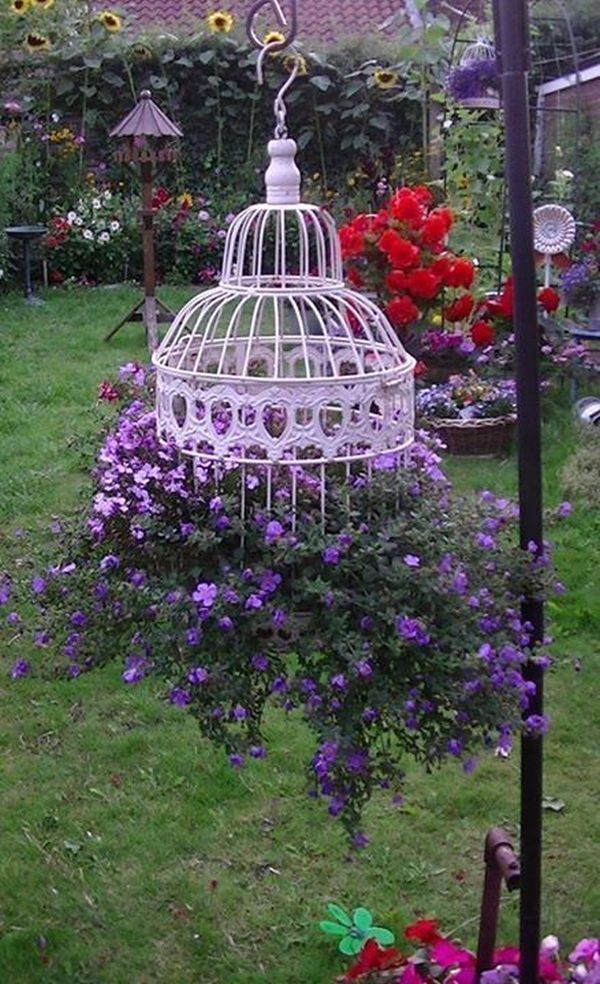


These supports also create privacy screens and living walls that soften fences or blank exterior walls. With the right cage, a once bare corner can transform into a verdant retreat that feels immersive and private.
Defining Paths and Garden Rooms
A series of low decorative garden cages can outline walkways, guiding visitors along intentional routes through the landscape. This technique adds structure, making outdoor areas feel more organized and welcoming.
Defining distinct garden rooms with cages and plant groupings helps you experiment with color schemes and textures while maintaining a cohesive overall design. You can easily adjust the atmosphere of each zone by changing plantings while keeping the structural elements in place.
Installation, Maintenance, and Long Term Care
Proper installation is essential for stability, especially in areas with strong winds or heavy seasonal rains. Securely anchored cages resist tipping and shifting, protecting both plants and the surrounding soil structure.
Establishing a simple maintenance routine, such as checking fasteners and clearing debris, extends the life of your decorative garden cage. Investing time in care now prevents more extensive repairs later and keeps the installation looking pristine.
Anchoring and Ground Preparation Techniques
Depending on the material, you may need to set metal posts in concrete or use heavy duty stakes for wooden frames. Preparing the ground with compacted gravel or reinforced bases ensures that the cage remains level and secure.
Planning for drainage around the base prevents water pooling, which can damage both the structure and nearby plant roots over time. Good site preparation reduces long term maintenance and supports vigorous plant growth.
Seasonal Upkeep and Weather Protection
In colder climates, inspecting for rust, loose joints, and weakened connections before winter helps avoid damage caused by freezing and thawing cycles. Applying protective finishes or covers can further extend the life of metal and wood cages.
During the growing season, regular checks for broken ties or sagging panels keep plants safely supported. Simple tasks like tightening screws or replacing worn components preserve the clean lines of your decorative garden cage setup.
Thoughtfully planned decorative garden cages can transform an ordinary outdoor area into a curated, resilient, and visually engaging environment. By balancing design with practical support, these structures help your plants thrive while expressing your personal style. Exploring options that fit your space, climate, and aesthetic will lead to an outdoor setting that feels both intentional and effortlessly beautiful.
Related Articles

Decorative Garden Screen Panel: Stylish Outdoor Divider Ideas
Decorative garden screen panel pieces are a versatile solution for defining space, adding privacy, and elevating the visual appeal of any outdoor area. These...

Decorative Garden Screen Panels Near Me Stylish Outdoor Privacy Fence Ideas
Finding an elegant solution to screen an unsightly view or define an outdoor living space often starts with a simple search for decorative garden screen panels...

Bunnings Decorative Garden Panel Ideas Stylish Outdoor Décor
Bunnings decorative garden panel offerings provide an excellent way to add instant structure and personality to any outdoor area. These sturdy panels transform...

Lowes Decorative Garden Fencing Ideas Stylish Outdoor Privacy Solutions
Lowes decorative garden fencing provides an accessible way to add structure, style, and security to your outdoor space. Whether you are refreshing a tired...

Garden Decor Nearby Ideas Stylish Outdoor Spaces
Finding garden decor nearby is a wonderful way to transform an outdoor space into a personal sanctuary without the stress of long distance shipping. Local...

Modern Japanese Garden Fence Ideas 101 Stylish Designs for Serene Outdoor Spaces
Modern Japanese garden fence ideas blend timeless tradition with clean, contemporary design, creating tranquil boundaries that invite calm into any outdoor...