Grow Cook Enjoy Fresh Garden Food Recipes
Cooking garden food transforms the simple act of eating into a celebration of freshness and personal connection to the land. There is a unique satisfaction that comes from stepping outside, harvesting vibrant vegetables and herbs, and immediately turning them into a meal that tastes alive. This practice encourages you to slow down, appreciate the seasons, and nourish your body with ingredients at their absolute peak of flavor and nutrition. By embracing this journey from soil to table, you cultivate a deeper appreciation for the natural cycles that sustain us.
Growing your own ingredients means you know exactly what goes into your food, free from unknown chemicals or preservatives. The flavors you experience are often far more intense and authentic than anything offered in a grocery store, where produce is bred for shipping durability rather than taste. This direct link to your meals can inspire healthier eating habits and encourage a more mindful approach to food. Starting a small collection of pots or a dedicated bed in the yard is all it takes to begin reaping these delicious benefits.
Planning and Designing Your Culinary Space
The foundation of cooking garden food successfully begins with thoughtful planning and design. You need to assess the available sunlight, ensuring your chosen spot receives at least six hours of direct light daily for most vegetables. Consider the mature size of the plants to avoid shading smaller crops, and plan for pathways to make maintenance and harvesting easy. A well-organized layout not only boosts productivity but also makes the process more enjoyable and less overwhelming.


Selecting the right crops is the next critical step, focusing on what you and your family actually love to eat. Leafy greens like lettuce and spinach grow quickly, while herbs such as basil and parsley provide constant flavor boosts throughout the season. Tomatoes, peppers, and zucchini are popular choices for those looking for substantial harvests. Matching your plant selection to your climate and growing season ensures a continuous supply of fresh ingredients for your kitchen.
Soil Preparation and Companion Planting
Healthy soil is the cornerstone of any thriving garden, directly impacting the flavor and vitality of your cooking garden food. You should enrich the ground with generous amounts of compost or well-rotted manure to provide essential nutrients and improve drainage. Taking the time to test your soil pH can help you adjust conditions to suit specific crops, leading to more robust plants and superior taste.


Companion planting is a clever technique that enhances growth and deters pests naturally by pairing compatible plants together. For example, basil planted near tomatoes is said to improve flavor and repel insects, while marigolds can protect neighboring vegetables from harmful bugs. This method reduces the need for chemical interventions and creates a more balanced ecosystem right in your backyard.
Succession Planting and Vertical Gardening
To maximize your yield and extend the harvest window, succession planting is an invaluable strategy. By sowing new seeds every few weeks, you ensure a steady supply of young plants rather than a single massive crop that ripens all at once. This technique is perfect for quick-maturing vegetables like radishes or lettuce, allowing you to continuously enjoy fresh garden food throughout the growing season.
Vertical gardening is an excellent solution for those with limited space, utilizing trellises, walls, or fences to grow climbing plants. Beans, peas, and cucumbers naturally reach upward, and providing them with support keeps the produce clean and saves valuable ground space. This approach also improves air circulation, which helps prevent diseases and results in healthier, more flavorful ingredients.


Harvesting and Culinary Application
Knowing when to harvest is crucial for getting the best flavor from your cooking garden food. Picking vegetables at their peak ripeness, often in the cool morning hours, ensures they are packed with sweetness and nutrients. Regularly checking your plants encourages continued production, as many crops will keep yielding when they are frequently picked.
Once the ingredients are in your kitchen, the focus shifts to simple preparation that honors their natural qualities. A light drizzle of olive oil, a sprinkle of sea salt, and perhaps a squeeze of fresh lemon are often all that is needed to highlight the vibrant flavors you have grown. Cooking garden food encourages you to let the ingredients speak for themselves rather than masking them with heavy sauces.
Fresh Herbs and Immediate Use
Herbs are arguably the most rewarding element of cooking garden food because they lose potency quickly once picked. Snipping just a few leaves of mint, rosemary, or chives right before a meal provides an aromatic experience that dried versions simply cannot match. This immediacy creates a direct sensory link between your garden and your plate.


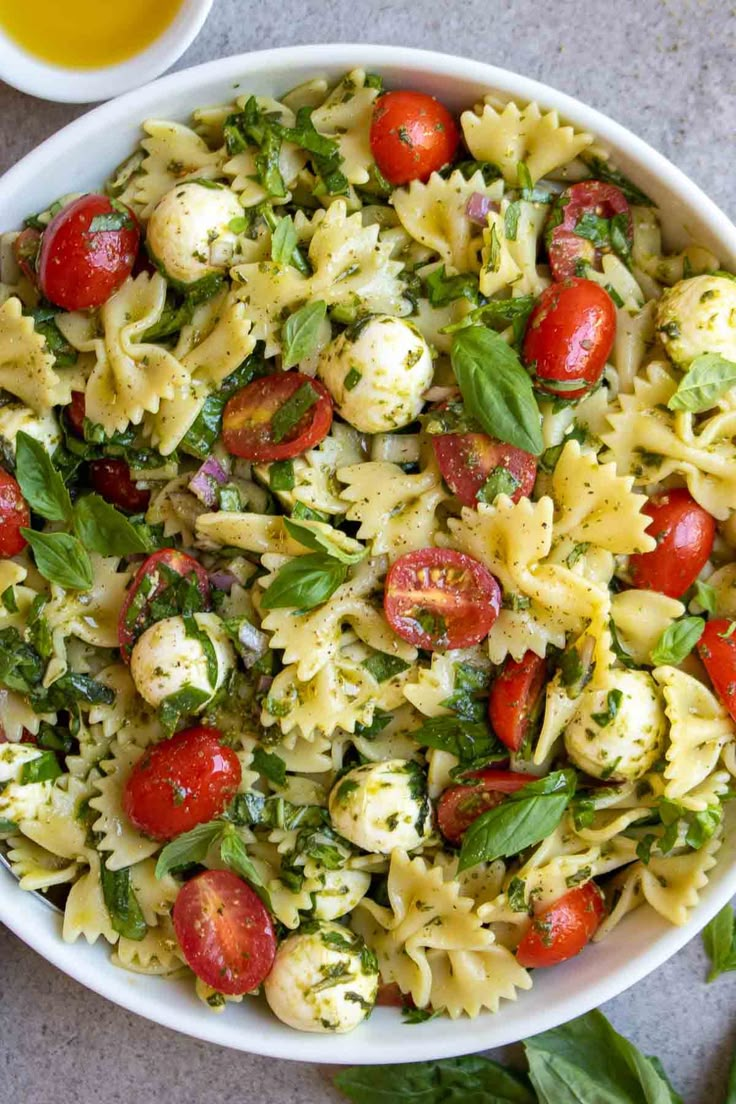

Incorporating these fresh elements into drinks, salads, and main courses is straightforward and instantly elevates everyday meals. You might add basil to a summer salad or stir chives into scrambled eggs, turning a basic dish into a gourmet experience. The versatility of homegrown herbs means they become an essential part of your culinary toolbox.
Preservation for Off-Season Enjoyment
When your garden produces an abundance, preservation techniques allow you to extend the enjoyment of those flavors long after the season ends. Freezing, drying, or making simple jams and pickles are practical ways to capture the essence of summer or spring. This ensures that you always have access to high-quality, homegrown ingredients regardless of the weather outside.
These preserved goods make thoughtful gifts as well, sharing the bounty of your labor with friends and neighbors. The process of preparing and storing your cooking garden food creates a sense of accomplishment and self-reliance that is deeply satisfying. It connects you to traditional foodways while still fitting seamlessly into a modern lifestyle.
As you continue to tend to your garden and explore new recipes, you will discover a rhythm that suits your lifestyle and taste preferences. The evolving nature of this journey means there is always something new to learn, whether it is a novel technique or a surprising flavor combination. Embracing this process allows you to build a lasting relationship with your food that is both sustainable and deeply fulfilling.
Related Articles

Grow Cook Enjoy Garden Peas Fresh Kitchen Recipes
Garden peas offer a sweet, tender bite that feels like sunshine on the plate, and learning how to cook them properly keeps that fresh flavor bright in every...

The Ultimate Garden Cooking Book: Grow and Cook Fresh Flavors
Imagine stepping into a sunlit kitchen where the air is thick with the aroma of slow-simmered sauces and fresh herbs, all captured within the pages of a garden...

DIY Garden Box for Vegetables: Grow Your Own Fresh Food Easily
Building your own diy garden box for vegetables is one of the most rewarding projects a home cook or aspiring gardener can undertake. This simple structure...

Saskatoon Food Bank Learning Centre Garden Patch Grow Fresh Healthy Community CRITICAL RULES
The saskatoon food bank & learning centre garden patch represents a powerful example of community resilience and sustainable change in our city. This unique...

Best Food for Cooking Event: Grow a Garden Kitchen Garden Tips
Planning a best food for cooking event grow a garden is a rewarding way to ensure fresh, flavorful ingredients while creating a beautiful, sustainable outdoor...

Garden Canna Edible Guide Grow Cook Delicious Recipes
Garden canna edible plants represent a fascinating intersection of ornamental beauty and culinary potential that many home gardeners overlook. These striking...