How to Keep Cedar Trees Small: Pruning Tips For Compact Growth
Many landscape designers and homeowners ask whether you can keep cedar trees small to fit more easily into modern yards. These evergreen trees are famous for their aromatic wood, dense foliage, and natural resistance to decay, yet their mature size can overwhelm smaller spaces. Understanding how these trees grow is the first step toward managing their dimensions without sacrificing their unique benefits.
The short answer to whether you can keep cedar trees small is yes, but it requires consistent effort and the right techniques. Unlike some shrubs, these conifers respond best to gradual, strategic pruning rather than severe cutting back. By combining proper site selection, ongoing maintenance, and growth control methods, you can enjoy the beauty of cedars while preventing them outgrowing their designated space.
Understanding Cedar Growth Habits
To manage size effectively, you must first understand the growth patterns of different cedar species. Eastern Red Cedar, for example, can reach heights of 40 to 50 feet if left unpruned, while Juniper varieties often spread wide and low. These differences mean that techniques for size control must be tailored to the specific species in your landscape.

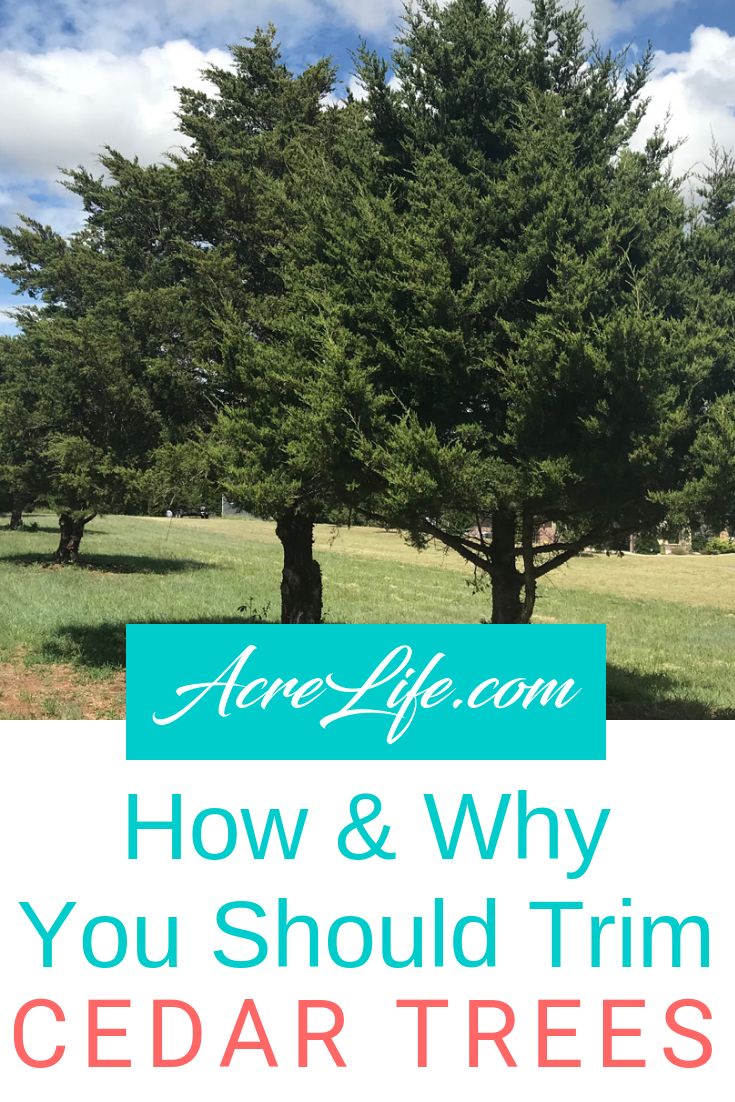

Genetics play a crucial role in how large a cedar will become, and even with careful pruning, a tree will never fight its inherent growth potential. That is why selecting a dwarf or compact cultivar at the planning stage is one of the most effective ways to avoid future size issues. Choosing the right plant for the right space reduces the need for aggressive pruning and ongoing stress for both tree and gardener.
Growth Rate and Lifespan
Young cedar trees often grow quickly, adding several feet in height during their first decade. This rapid juvenile growth makes early intervention critical if you want to keep the tree at a manageable scale over time. By addressing size concerns while the tree is still flexible, you can guide its structure more easily.


Mature cedars can live for decades, and their growth slows but does not stop entirely. Even older trees respond to careful pruning when done correctly, allowing you to maintain a smaller profile without causing immediate decline. Adapting your approach to the tree's age ensures that size control measures remain effective throughout its life.
Root System Considerations
Above-ground size is only part of the equation; the root system of cedar trees can extend far beyond the drip line. Aggressive roots may interfere with foundations, underground utilities, and nearby plants, so controlling the canopy is only one aspect of management. Selecting locations with enough space for roots helps avoid future conflicts with structures and hardscapes.
Compact cultivars generally have less aggressive root growth than their full-sized relatives, making them a better fit for confined areas. Matching the root behavior of the cedar to the site conditions reduces the risk of surface roots heaving pavement or damaging nearby paving and drainage systems.


Pruning and Training Strategies
Strategic pruning is the most direct method for keeping cedar trees small, and it works best when performed annually rather than waiting for the tree to become overgrown. By removing no more than one third of the new growth each season, you maintain the tree's health while guiding it toward a more compact form. Timing is critical; late winter or early spring pruning encourages fresh growth while the tree is still dormant.
Shaping a cedar during its early years has a long-term impact on its mature size and density. Heading cuts, where you trim back to a bud or side branch, encourage denser growth and prevent the tree from becoming leggy. Combining these cuts with selective thinning removes crowded branches and improves airflow, reducing disease risk.
Techniques for Size Control
Pinching back new shoots with your fingers is an effective way to keep young cedar trees compact without heavy equipment. This simple method encourages branching lower down the stem, which naturally limits vertical height. It also allows you to shape the tree gradually, rather than removing large amounts of wood at once.


Shearing the outer canopy can quickly reduce size, but it should be used cautiously to avoid creating a dense outer shell with little interior foliage. A more balanced approach combines selective branch removal with light shearing, allowing sunlight to reach inner branches. This balanced technique keeps the tree healthy and visually appealing from every angle.
When to Seek Professional Help
Large or overgrown cedars may require the expertise of an arborist who understands how to reduce height safely without damaging the central leader. Professionals use techniques such as drop-crotch pruning, where they remove the top of the main stem to a suitable lateral branch. This method maintains the tree's natural form while significantly reducing its overall size.
Working with a qualified tree care specialist ensures that cuts are made in the right places and that the tree remains structurally sound. They can also assess potential hazards, such as weak branch attachments or decay, that might not be visible from the ground. Their guidance helps you achieve size control without compromising the long-term vitality of the tree.
Cultural Practices That Support Size Management
Proper watering and fertilization strategies influence how vigorously a cedar tree grows, and modest feeding can help maintain a smaller stature. Overfertilization encourages rapid, soft growth that is more difficult to contain, so a balanced, slow-release formula tailored to evergreens is often best. Matching nutrient levels to the tree's actual needs prevents excessive vigor while supporting overall health.
Soil moisture, sunlight exposure, and wind conditions all affect how large a cedar becomes over time. Trees in consistently moist, fertile sites may grow faster and require more frequent pruning, while those in harsher environments naturally stay smaller. Observing how your specific site conditions influence growth allows you to adjust your care routine accordingly.
Spacing and Companion Planting
Planting cedar trees at the correct distance from structures, power lines, and other trees reduces the need for drastic pruning later on. A general rule is to place them far enough from buildings that their mature spread does not cause damage or block light. Planning ahead saves time, money, and the aesthetic appeal of your landscape.
Companion plants that tolerate similar moisture and light conditions can help define the space around a cedar without interfering with its roots. Low-growing shrubs, groundcovers, and ornamental grasses create a layered look that visually complements the tree's vertical form. Thoughtful plant combinations let you enjoy a sense of scale while keeping the cedar in proportion.
Container and Urban Growing Options
Growing cedar trees in large containers is an excellent way to keep their roots and overall size confined, especially on patios or small urban yards. With careful root pruning and regular trimming, a cedar can thrive in a pot for several years while maintaining a compact profile. This approach is ideal for gardeners who want the aesthetic of cedar without committing to a full-sized specimen.
Ensuring proper drainage, using high-quality potting mix, and protecting the container from extreme temperature fluctuations are essential for long-term success. Container-grown cedars still require occasional root checks and seasonal pruning, but they offer greater flexibility in placement and size control. For tight spaces, this method provides a practical compromise between nature and design.
Balancing the natural growth habits of cedar trees with intentional management techniques allows you to enjoy their beauty without sacrificing space or safety. Thoughtful variety selection, consistent pruning, and mindful cultural practices work together to keep these evergreens in harmony with their surroundings. With patience and attention, a well-sized cedar can become a lasting feature in any landscape.
Related Articles

How to Keep Lilac Tree Small: Pruning Tips for Compact Growth
Keeping your lilac tree small is entirely possible with the right combination of strategic planting and consistent maintenance practices. Many gardeners fall...

How to Keep Palm Trees Short: Easy Pruning Tips
Keeping your palm trees at a manageable height is essential for both safety and visual appeal in many landscapes. Many homeowners and gardeners choose to...

How to Keep Fruit Trees Small: Pruning Secrets for Dwarf Gardens
Keeping fruit trees small is a practical solution for gardeners who want manageable harvests and easier care. Whether you live on a balcony, in a small yard...
Can You Keep Palm Trees Short Expert Tips For Pruning And Shaping
Many landscape enthusiasts ask whether it is possible to keep palm trees short without sacrificing their health or tropical appeal. The short answer is yes...

What Palm Stays Small Compact Dwarf Palm Trees for Small Spaces
Finding palm stays small is a common quest for gardeners and indoor plant lovers who lack sprawling outdoor space. Many people assume that every palm tree will...

Small Trees for Backyards: 10 Best Compact Picks for Maximum Impact
Choosing the right small trees for backyards can transform an ordinary outdoor space into a private sanctuary filled with dappled shade, seasonal color, and...