Best Botanical Garden Texas Guide Tips 2024
Texas offers some of the most diverse and inspiring botanical garden experiences in the United States, where desert blooms meet lush curated landscapes. From the Gulf Coast to the Hill Country, these living museums preserve rare plants and showcase regional ecology in vibrant public spaces. A botanical garden in Texas often feels like stepping into a quiet sanctuary just minutes from the bustle of major cities.
Whether you are a seasoned gardener, a nature photographer, or a family looking for a weekend adventure, there is a garden here tailored to your curiosity. These landscapes highlight native species alongside exotic specimens, demonstrating how beauty can thrive in harmony with the Texas climate. Exploring these horticultural hubs reveals the dedication of scientists, volunteers, and designers who create immersive environments for education and reflection.
Iconic Gardens Across the Lone Star State
Several historic gardens stand out for their scale, collections, and cultural significance, drawing visitors from across the region and beyond. Each reflects a unique vision, whether focused on conservation, public art, or the celebration of Texas flora. By planning a visit to one or more of these destinations, you support ongoing programs that protect biodiversity and engage local communities.

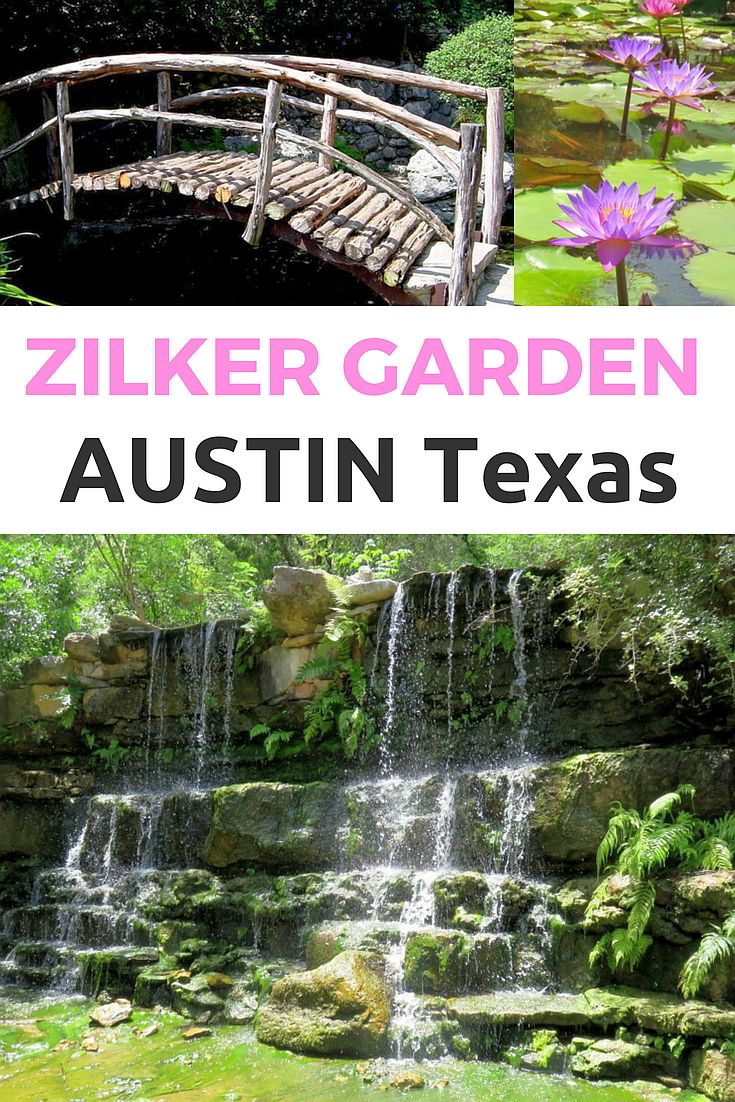

From tranquil lakeside paths to dramatic cactus displays, the variety within a single state is remarkable. Seasonal festivals, educational workshops, and guided tours ensure that first-time visitors and returning guests always discover something new. These gardens serve as living laboratories where horticultural innovation meets public enjoyment in carefully designed settings.
Lady Bird Johnson Wildflower Center
Located in Austin, this renowned center focuses on native plants that support pollinators, stabilize soils, and define the character of each region. Its trails wind through gardens that illustrate how wildflowers, grasses, and shrubs can be used creatively in both conservation and urban design. The center plays a key role in research and outreach, helping residents understand the power of planting with purpose.


Visitors can explore themed areas that highlight the seasonal transitions of Texas landscapes, from fiery fall colors to early spring blossoms. Educational programs delve into topics such as ecological restoration, sustainable gardening, and the cultural history of native peoples and their plant knowledge. This venue demonstrates how a botanical garden in Texas can champion environmental stewardship while remaining accessible and welcoming.
Dallas Arboretum and Botanical Garden
Situated on the shore of White Rock Lake in Dallas, this garden blends formal design with sweeping views of water and sky. Its collections emphasize seasonal color, with highly photogenic displays that attract visitors year-round. The arboretum also hosts large-scale events, showcasing how a premier botanical garden can serve both recreation and large community gatherings.
Families often enjoy the Rory Meyers Children's Adventure Garden, which combines interactive science exhibits with creative play spaces among the foliage. Paths lined with heritage trees and modern sculpture create a layered experience, where art, education, and horticulture intersect seamlessly. This destination highlights how a major urban garden can balance spectacle with intimate natural beauty.


Diverse Climates, Diverse Gardens
The geographic range of Texas allows botanical gardens to experiment with plants from multiple climate zones, offering a window into ecosystems that might otherwise seem distant. Coastal gardens feature salt-tolerant species that thrive in sandy soils and high humidity, while hill country gardens highlight rugged wildflowers and hardy perennials. This climatic diversity enriches the visitor experience and supports important conservation research.
In the far west, gardens near El Paso showcase stunning displays of desert plants, demonstrating water-wise design in an arid environment. These landscapes challenge the misconception that Texas is only about heat and dust, revealing instead a world of sculptural cacti and vibrant desert blooms. Each region contributes distinct plant palettes and design philosophies that reflect local conditions and cultural influences.
San Antonio Botanical Garden
This garden presents a blend of traditional and contemporary garden rooms, with collections ranging from serene rose gardens to playful themed spaces for children. Its focus on water conservation and sustainable practices aligns with the specific needs of the South Texas environment. Visitors can wander through centuries-old olive trees alongside innovative landscape installations that highlight creative use of native materials.


Educational programs here often explore the intersection of culinary plants, medicinal herbs, and ornamental design, appealing to a wide range of interests. By integrating art, history, and ecology, the San Antonio Botanical Garden illustrates how a botanical garden in Texas can serve as a multifaceted community resource. The venue also hosts popular seasonal events that draw crowds while reinforcing its conservation mission.
Houston Botanic Garden
Nestled within a lush forested site, this garden emphasizes the importance of preserving natural habitats while creating beautiful spaces for public enjoyment. Its collections highlight plants that thrive in the humid Gulf Coast climate, including impressive displays of tropical foliage and wetland species. Eco-friendly infrastructure and thoughtful trail design minimize environmental impact while maximizing visitor comfort.
Special programming focuses on environmental education for schools and community groups, fostering a deeper understanding of local ecosystems. Seasonal gardens, such as the rose garden and the native plant demonstration areas, offer changing scenery throughout the year. This setting shows how a botanical garden can act as both a refuge for wildlife and a place for quiet personal reflection.
Exploring a botanical garden in Texas reveals layers of history, science, and artistry that invite repeated visits and deeper learning. Each garden tells a story about the land it stewards and the people who envision spaces where nature and culture thrive together. As you plan your next outing, consider how these living landscapes might inspire your own connection to plants and place.
Every season brings new opportunities to witness rare blooms, observe migratory birds, or simply enjoy a slower moment among thoughtfully arranged trees and flowers. By visiting, volunteering, or supporting these gardens, you help ensure that future generations can continue to draw inspiration from Texas's remarkable botanical heritage. Take time to discover the garden that resonates with your interests and let it spark a lasting appreciation for the natural world.
Related Articles

Miami Botanical Garden Wedding Cost: 2024 Pricing Guide & Budget Tips
Planning a wedding in Miami often leads couples to consider the stunning Miami botanical garden wedding cost as a premium option for an unforgettable ceremony...

Discover the Best Botanical Garden in Dallas Texas: Your Ultimate Guide
Nestled in the heart of Dallas, a thriving sanctuary of color, scent, and quiet contemplation awaits discovery around every bend. This green refuge, known as...

Lego Ideas Botanical Garden Price Guide 2024: Best Sets & Deals
Many LEGO fans searching for the perfect addition to their display collection start by looking for a LEGO Ideas Botanical Garden price list because this set...

Botanical Garden to Spectrum Mall Noida Travel Guide Route Map Tips
Navigating the route from Botanical Garden to Spectrum Mall in Noida highlights a convenient urban transition between nature and commerce. This journey...

Texas Master Gardener Management Guide Essential Tips and Best Practices
Master Gardener programs represent a vital bridge between university agricultural extensions and local communities, offering expert guidance to home gardeners...

The Best Time to Plant a Garden in Texas: Ultimate Seasonal Guide
Understanding the best time to plant garden in Texas is essential for turning your outdoor space into a thriving, low-maintenance retreat. The Lone Star State...