The Biggest Garden in Texas: A Complete Guide
When you think about the biggest garden in Texas, images of sprawling landscaped estates and historic public grounds filled with native flowers likely come to mind. This Lone Star State is famous for its bold landscapes and horticultural ambition, turning vast open spaces into living works of art that celebrate both beauty and resilience.
Texas gardening is shaped by long summers, unpredictable droughts, and a deep pride in regional identity. From private ranch compounds to municipal showpieces, the pursuit of creating the largest and most expressive outdoor garden reflects a culture that loves to reach for the sky, and few projects embody that spirit better than the ongoing quest for the state’s most impressive cultivated expanse.
Scale and Vision Behind Texas Gardens
The biggest garden in Texas is defined not only by raw acreage but also by thoughtful design, ambitious planting schemes, and careful stewardship of the land. These large scale gardens often feature native and adapted plants, water smart irrigation, and winding pathways that invite visitors to explore every corner of the property.


Creating a garden of this magnitude requires long term planning, specialized maintenance teams, and a clear artistic vision. Whether situated near historic estates, modern architecture, or wide open prairie, these gardens become regional landmarks that highlight what is possible when creativity meets the unique challenges of the Texas climate.
Climate and Plant Selection
Designers of the biggest garden in Texas prioritize heat tolerant species, drought resistant shrubs, and native grasses that thrive under intense sun. They carefully balance showy annuals for seasonal color with enduring perennials that return year after year without excessive watering.


Soil preparation, wind protection, and microclimate considerations are essential when mapping out such a large site. By choosing plants suited to each specific zone within the garden, planners ensure that the landscape remains vibrant even during extreme summer heat or brief cold snaps.
Public Access and Educational Value
Many of the largest gardens in Texas welcome the public, offering curated tours, workshops, and themed seasonal displays. These experiences allow visitors to learn about sustainable practices, rare plant varieties, and the history behind each major landscape project.
Educational signage, hands on demonstrations, and community partnerships help these gardens serve as outdoor classrooms. Whether focused on pollinator habitats, water conservation, or cultural heritage, they turn horticulture into an engaging story that resonates with families, students, and gardening enthusiasts.


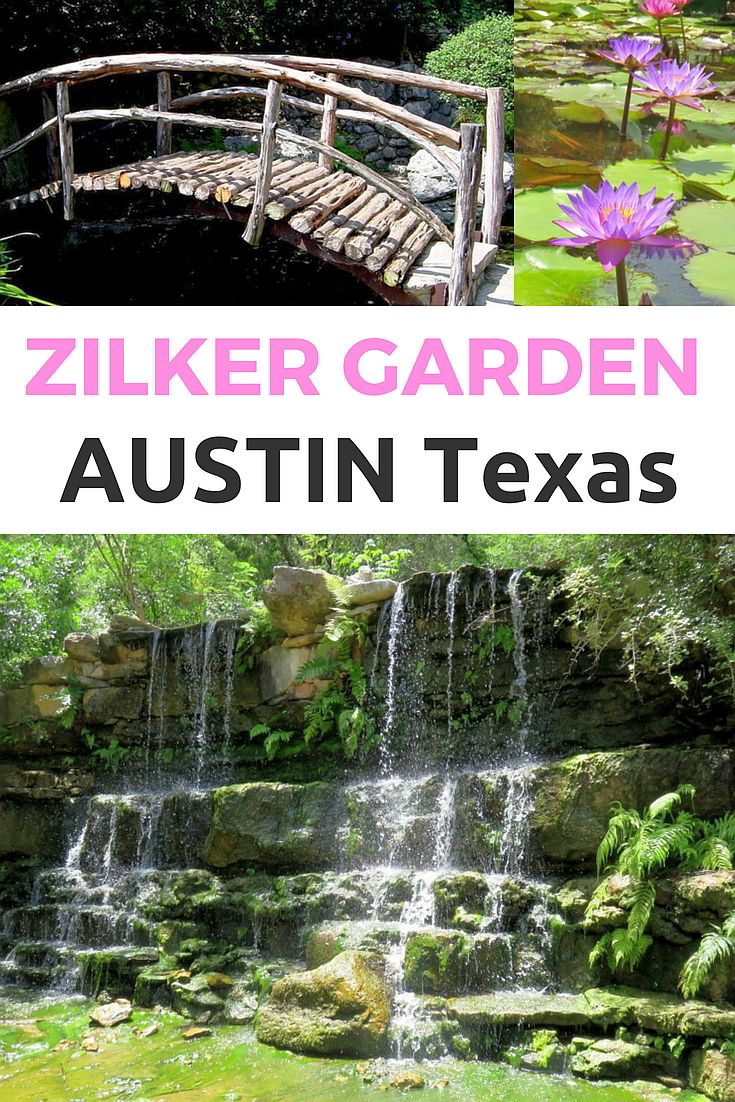


Iconic Examples and Regional Highlights
Across Texas, several celebrated properties vie for the title of biggest garden, each showcasing a distinct approach to color, structure, and ecological balance. From formal French inspired parterres to relaxed cottage style plantings, these sites reveal how geography and personal taste shape the look of a garden.
Local climate, elevation, and proximity to water influence plant choices and layout decisions. As a result, the biggest garden in Texas is not a single uniform design but a collection of regional masterpieces that reflect the diversity of the state’s natural environments.
Heritage Estates and Private Grounds
Historic estates often preserve century old trees, carefully restored pathways, and expansive lawns that have become integral to the story of the property. These gardens blend traditional design elements with contemporary updates, ensuring they remain functional and relevant for modern visitors.


Private gardens of this scale may include experimental trial areas, where new cultivars are tested for performance and visual impact. The combination of legacy plantings and innovative additions keeps these spaces dynamic and continually inspiring.
Public Parks and Botanical Spaces
Urban parks and botanical gardens play a crucial role in defining the biggest garden in Texas through sheer size and thoughtfully planned landscapes. They offer shaded promenades, themed collections, and tranquil reflection spots that provide a welcome retreat from city life.
Community input, conservation initiatives, and seasonal festival programming help these public gardens stay vibrant year round. By hosting art installations, plant sales, and educational events, they strengthen local identity and foster a deeper connection to nature.
Exploring the biggest garden in Texas reveals how landscape architecture, regional ecology, and personal passion can come together to create living spaces of extraordinary scale. As more gardeners and institutions embrace sustainable practices and creative expression, these outdoor worlds will continue to grow, inviting you to wander, learn, and imagine what the next chapter of Texas horticulture might look like.
Related Articles

Largest Garden in Texas: Ultimate Guide to the Biggest Botanical Oasis
Texas hosts some of the most expansive and meticulously designed green spaces in the United States, and the search for the largest garden in Texas reveals...

Vevor Raised Garden Bed Reddit Reviews Complete Guide 2024
Gardeners on Reddit are increasingly turning to the VEVOR raised garden bed as a smart solution for growing fresh produce in limited spaces. This modular...

How Deep Should Footings Be for Garden Steps: A Complete Guide
Determining the precise depth for footings is the single most critical decision for ensuring the long-term stability and safety of garden steps, a detail that...

Complete Guide to All Garden Tools Names and Pictures with Pictures
Every thriving garden begins with a simple yet powerful idea, the right tool for the job, and understanding all garden tools names and pictures is the first...

How Deep Does Garden Edging Need to Be A Complete Guide
When planning a new garden border, one of the most practical questions homeowners ask is how deep does garden edging need to be to create a lasting definition...

Central Texas Butterfly Garden Plants Guide Attract Pollinators
Creating a central Texas butterfly garden plants scheme is one of the most rewarding ways to support local ecology while adding vibrant color to your outdoor...