Discover the Biggest Botanical Garden in Texas expansive flora and fauna
When visitors ask about the biggest botanical garden in Texas, they are usually looking for more than just a name; they want an escape into lush landscapes and curated natural beauty. This destination combines immense scale with thoughtful design, offering a sprawling environment where carefully maintained paths wind through diverse ecosystems. It serves as both a recreational retreat for families and a vital conservation hub for rare and native species. For anyone planning a trip across the Lone Star State, understanding this green landmark is essential.
Beyond simply holding the title of largest, this garden represents the pinnacle of horticultural ambition in the region. Its sprawling grounds feature themed exhibits, mature tree canopies, and meticulously arranged flower beds that change with the seasons. The commitment to education and research is evident in every corner, where signage offers insights into ecology and plant biology. Visitors often leave with a renewed appreciation for the complexity and artistry of cultivated nature.
Landscape Design and Visitor Experience
The layout of the biggest botanical garden in Texas is engineered to guide exploration without feeling restrictive. Wide boulevards open into intimate courtyards, creating a dynamic journey that balances grandeur with intimacy. Pathways are clearly marked, ensuring that even first-time guests can navigate the vast property with ease and confidence.

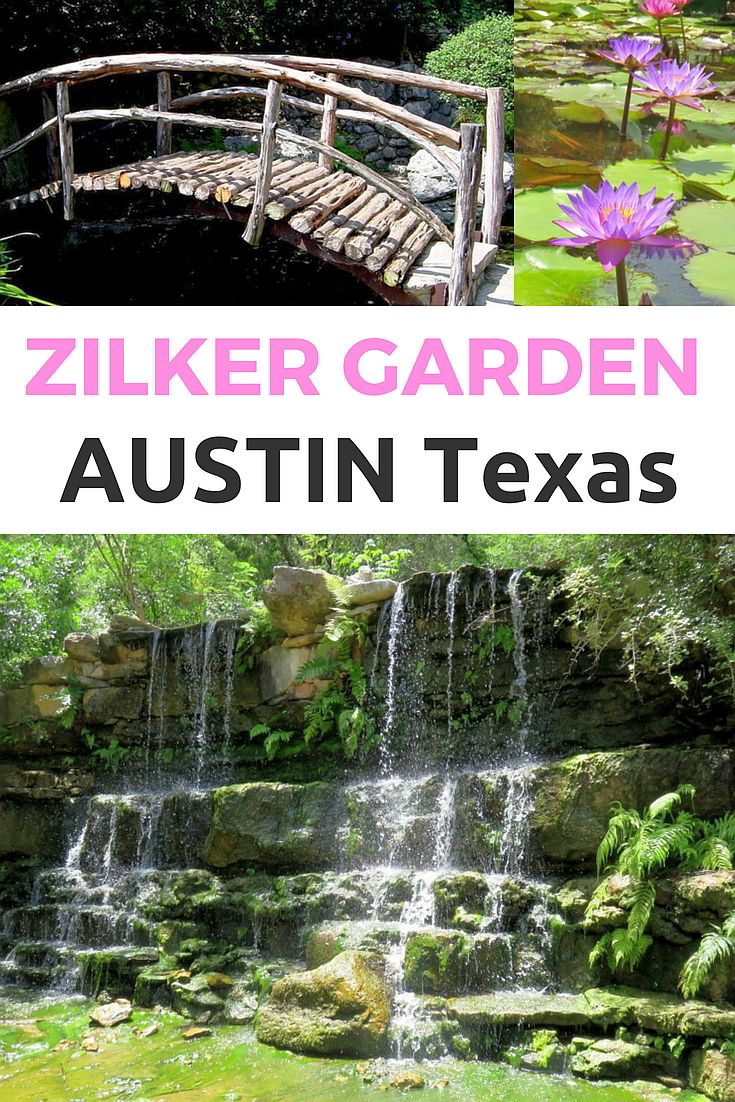

Accessibility is a core principle, allowing guests of all ages to enjoy the scenery without physical strain. Benches are strategically placed, offering resting spots with scenic views, while thoughtful lighting ensures the grounds remain welcoming during evening events. This focus on comfort transforms a simple walk into a memorable sensory experience.
Themed Garden Areas
One of the standout features is the collection of specialized gardens that cater to specific aesthetic or ecological interests. Visitors can wander through tranquil butterfly sanctuaries, fragrant herb gardens, and vibrant cactus displays that highlight the resilience of arid species. Each section is designed with a distinct character, providing a unique visual and educational experience.


These themed areas also serve as living laboratories for conservation efforts. Researchers and horticulturists use these controlled environments to study plant propagation and sustainable gardening techniques. For the casual observer, the result is a constantly evolving tapestry of color, texture, and fragrance that feels both wild and meticulously curated.
Family-Friendly Amenities
Recognizing the needs of guests traveling with children, the garden incorporates interactive elements that keep younger visitors engaged. Dedicated discovery trails encourage kids to observe insects, identify leaf shapes, and learn about the lifecycle of plants in a hands-on way. These activities transform a visit into an educational adventure rather than a passive tour.
Dining options are thoughtfully integrated, offering cafes that source local ingredients to fuel exploration without requiring guests to leave the property. Clean restroom facilities and ample parking ensure that logistics support the fun rather than hinder it. The overall result is a well-oiled experience that caters to the needs of multi-generational groups.


Conservation and Botanical Significance
The importance of the biggest botanical garden in Texas extends far beyond recreation; it plays a critical role in regional conservation initiatives. The garden maintains extensive seed banks and participates in global efforts to preserve species threatened by urbanization and climate change. This scientific work happens largely behind the scenes but has a profound impact on biodiversity.
Many of the specimens on display are rare cultivars that require specific care protocols only a facility of this caliber can provide. The collaboration with universities and environmental organizations ensures that the knowledge gained here is shared with the broader scientific community. This dedication to preservation elevates the garden from a pretty destination to a necessary institution.
Native Plant Advocacy
A significant portion of the grounds is devoted to native Texas flora, highlighting the unique botanical heritage of the area. These exhibits promote the use of indigenous species in home landscaping, which often requires less water and supports local pollinators. Educational workshops teach visitors how to incorporate these hardy plants into their own gardens responsibly.


By emphasizing plants that naturally thrive in the local climate, the garden reduces its own environmental footprint while modeling sustainable practices. This focus on ecology aligns with the growing trend of eco-conscious travel, where visitors seek experiences that align with their values. The result is a space that feels authentically Texan in both origin and purpose.
Research and Educational Programs
Behind the scenes, a team of botanists and ecologists conduct ongoing research into plant health and soil science. The garden frequently hosts symposiums and lectures, making cutting-edge botanical science accessible to the public. This blend of academia and public engagement fosters a deeper understanding of the natural world.
School groups regularly visit, participating in curriculum-based tours that reinforce classroom learning. These programs often include take-home materials that encourage further investigation long after the trip ends. The garden thus functions as an extension of the classroom, making abstract concepts tangible and exciting.
Anyone planning a visit to the biggest botanical garden in Texas will find that the experience resonates long after the last step is taken off the pathway. The combination of stunning visuals, scientific dedication, and thoughtful programming creates a destination that appeals to the curious mind and the relaxed spirit. Planning a trip here promises not just a day out, but a meaningful connection to the natural world.
Related Articles

Discover the Best Botanical Garden in Dallas Texas: Your Ultimate Guide
Nestled in the heart of Dallas, a thriving sanctuary of color, scent, and quiet contemplation awaits discovery around every bend. This green refuge, known as...

Smithsonian Museum Botanical Garden Guide Explore Stunning Flora and Fauna
The Smithsonian Museum Botanical Garden represents a living extension of the world’s most renowned museum complex, offering a serene escape into curated nature...

Largest Garden in Texas: Ultimate Guide to the Biggest Botanical Oasis
Texas hosts some of the most expansive and meticulously designed green spaces in the United States, and the search for the largest garden in Texas reveals...

Ohio Botanical Garden: Explore Scenic Flora and Fauna
Ohio is home to a remarkable collection of botanical garden spaces that showcase the state’s rich horticultural heritage. These living museums offer peaceful...

Discover Louisville Botanical Gardens Vibrant Flora and Fauna
Louisville residents and visiting nature lovers discover a world of cultivated beauty when they explore the region’s finest botanical gardens louisville. These...

What Kind of Plants Were in the Garden of Eden: Discover the Biblical Flora
The garden of eden has long fascinated believers and scholars, representing a pristine space where humanity first walked in harmony with the divine...