Discover the Best Garden in United States Top Picks for 2024
Exploring the best garden in the United States reveals a landscape stitched with creativity, history, and a deep love of Living in harmony with nature. From coast to coast, curated landscapes and community havens showcase the nation’s horticultural spirit. These spaces go beyond beauty, offering quiet reflection, education, and a connection to the earth that feels increasingly rare.
Whether you are planning a pilgrimage of inspiration or simply dreaming of greener horizons, the variety found across the country is astounding. The best garden in United States destinations range from sprawling conservatory complexes to intimate neighborhood oases, each with its own story to tell. This journey highlights places where design, sustainability, and passion come together to create living works of art.
Historic Landscapes and Public Gardens
The legacy of historic landscapes forms the backbone of many people’s idea of the best garden in United States experiences. These sites preserve centuries of design philosophy and introduce visitors to plant varieties that have stood the test of time. They serve as living classrooms where the past informs the present and inspires future generations of gardeners.


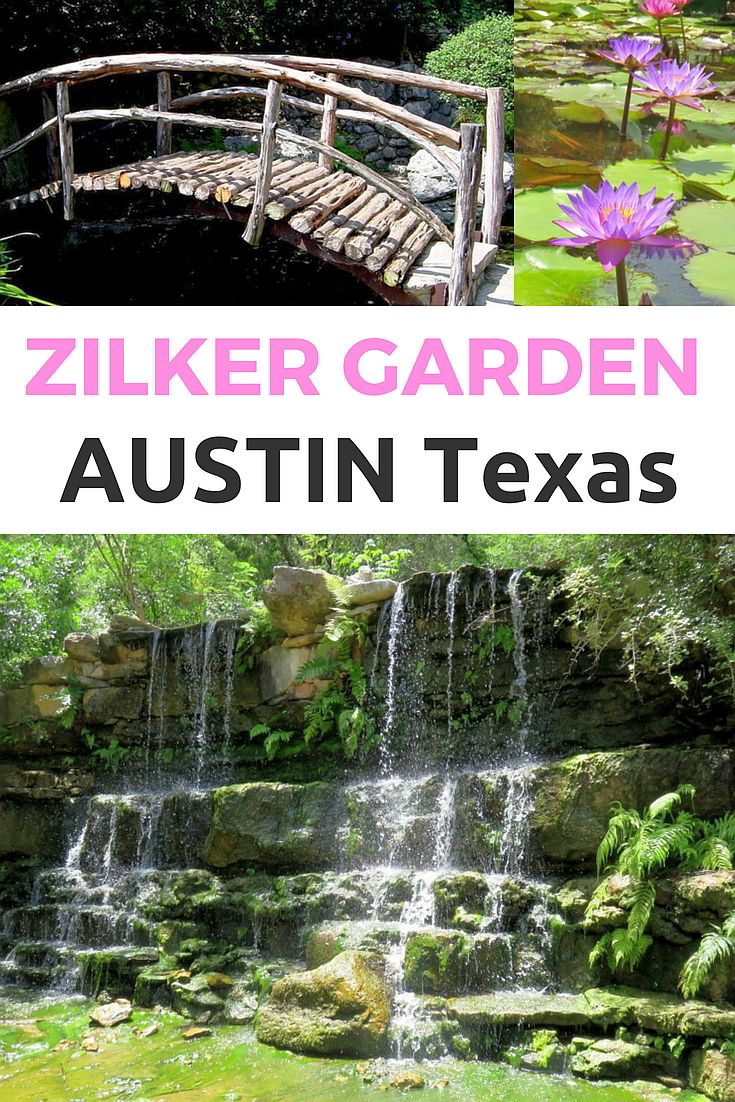
Public gardens managed by nonprofit groups and municipalities carefully balance aesthetics with education, often featuring labeled collections and themed areas. Seasonal events, lectures, and workshops make these locations dynamic centers for both leisure and learning. Below are two distinct approaches to preserving and presenting historic green spaces.
Estate Gardens with Centuries of History
Some of the most revered settings appear on the list of best garden in United States through stately estates that opened their grounds to the public. These properties often combine manicured lawns, ornamental plantings, and original architecture to evoke a specific moment in time. The careful curation of plants reflects the vision of the original owners or landscape architects, offering a window into a bygone era.


Walking through these gardens, you may encounter rare specimen trees, heritage rose collections, and fountains that still sing with moving water. Restoration efforts honor authentic materials and practices, ensuring that the site’s historical integrity remains intact. This commitment to preservation allows visitors to experience the grandeur and intimacy of landscapes shaped by earlier generations.
Community-Driven Urban Parks
In city centers, the best garden in United States narrative often belongs to community parks that transformed neglected lots into vibrant green sanctuaries. Residents, sometimes with the help of local organizations, came together to plan, plant, and maintain these oases. The result is a dynamic space that reflects the neighborhood’s identity and provides much-needed relief from urban density.
These gardens frequently prioritize food justice, offering plots for growing vegetables and fruits, as well as areas for relaxation and artistic expression. Seasonal plantings change with the weather, ensuring that there is always something new to discover. The dedication of volunteers keeps these gardens thriving and deeply woven into the social fabric of the city.


Design Innovation and Sustainability
As environmental awareness grows, many of the best garden in United States destinations now showcase cutting-edge approaches to landscaping. Designers blend artistic vision with ecological responsibility, creating places that are both visually striking and gentle on the planet. These gardens serve as test beds for ideas that could reshape urban and suburban planning nationwide.
Water conservation, native plantings, and habitat restoration are just a few of the strategies employed to reduce environmental impact. Interpretive signage helps visitors understand the purpose behind each design choice, turning a simple stroll into an informative experience. The following subtopics highlight two leading directions in sustainable garden design.
Native Plant Gardens and Habitat Restoration
Focusing on local flora, these gardens highlight the best garden in United States approach to supporting pollinators and native wildlife. Carefully selected plants provide nectar, shelter, and food for birds, bees, and butterflies throughout the year. The result is a landscape that feels authentically rooted in its regional ecosystem rather than imported from elsewhere.


Many of these gardens partner with conservation groups to propagate endangered species and reintroduce them into suitable wild areas. Educational programs teach visitors how to incorporate native plants into their own yards, creating a network of green corridors that extend far beyond the garden fence. This grassroots approach to conservation demonstrates how beauty and ecological function can coexist.
Modernist and Experimental DesignFor those interested in the intersection of art and horticulture, the best garden in United States also includes spaces that challenge traditional notions of layout and plant use. Clean lines, bold geometric shapes, and striking contrasts define areas that feel more like contemporary sculpture gardens than conventional flower beds.
Designers experiment with unexpected materials, such as recycled metal, textured concrete, and reclaimed wood, to complement the plantings. These gardens often double as venues for performances, photography, and quiet contemplation. Their forward-thinking vision pushes the boundaries of what a garden can be in the modern age.
Whatever your interest—whether it is historical charm, ecological insight, or design innovation—the best garden in United States offers countless destinations to explore. Each visit adds a new layer of appreciation for the skill, dedication, and imagination required to create living landscapes that inspire us. Let these gardens encourage you to step outside, get your hands in the soil, and discover what beauty grows when nature and purpose meet.
Related Articles

Top Best Beer Garden in the United States 2024 Guide
Finding the best beer garden in the United States is a quest that blends the love of craft brews with the simple joy of sharing a sunny afternoon outdoors...

Best Garden Bed Edging Tool Reviews and Top Picks 2024
Finding the right garden bed edging tool can transform the look of your landscape by creating clean lines and neat borders. A quality edging tool helps you...

Top Garden Grill Reviews EPCOT 2024: Best BBQ Picks
Planning a backyard cookout at Disney World often means searching for ways to recreate the festive vibe of Epcot right at home, and finding the right equipment...

Best American Made Athletic Shoes Guide 2024
Finding athletic shoes made in the United States often feels harder than spotting a needle in a haystack, especially when the global market is flooded with...

Top 10 Best Botanical Garden In The United States For Nature Lovers
Discovering the best botanical garden in the United States depends on what moves you, yet several living museums consistently set the standard for beauty...

Best US Made Gym Shoes Guide for 2024
Finding gym shoes made in the United States is a smart choice for fitness enthusiasts who prioritize performance, quality, and supporting local industry...