Top 10 Best Botanical Garden in Texas for Nature Lovers
Finding the best botanical garden in Texas depends on what you hope to experience, whether it is a peaceful walk among native plants or a vibrant festival under blooming trees. The Lone Star State is home to a remarkable range of gardens that showcase desert wildflowers, tropical foliage, and carefully curated scientific collections. This guide highlights the places where horticulture, art, and education come together to create memorable outdoor escapes.
From the Hill Country to the Gulf Coast, Texas gardens reflect the diversity of climate and culture across the region. You will discover historic estates with century oaks, modern urban oases filled with contemporary art, and conservation-focused landscapes dedicated to protecting endangered species. Each garden offers a distinct atmosphere, making it easier to match your interests with the perfect visit.
Top Public Gardens in Major Texas Cities
In Dallas, the Dallas Arboretum and Botanical Garden stands out for its seasonal displays, educational paths, and family-friendly pavilions set along White Rock Lake. Houston boasts the Houston Arboretum and Nature Center, where trails wind through woodlands and wetlands, highlighting the importance of conservation in the Gulf Coast region. San Antonio offers the San Antonio Botanical Garden, a spacious venue with themed gardens that celebrate both local ecology and global plant traditions.

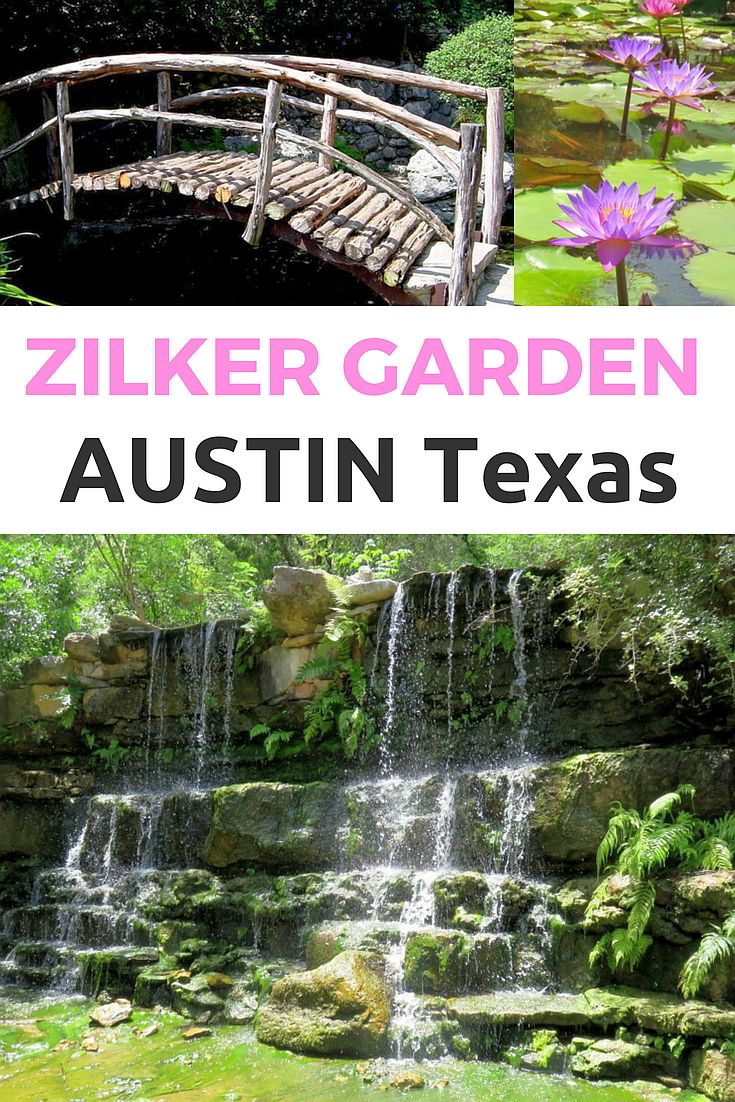

Austin is home to the Lady Bird Johnson Wildflower Center, which focuses on native plants and sustainable landscapes that thrive in Central Texas. Fort Worth features the Fort Worth Botanic Garden, known for its extensive rose gardens and conservatories that protect rare and tropical species. These public gardens combine scientific research with accessible design, ensuring that visitors of all ages can connect with nature in the city.
Arboretums and Specialized Collections
The Dallas Arboretum is especially popular in spring, when the A Woman’s Garden exhibition transforms the space into a stunning display of sculptural arrangements and fragrant blossoms. Its Rory Meyer’s Children’s Adventure Garden offers interactive exhibits that teach young visitors about pollination, water cycles, and plant biology. Families often plan entire weekends around seasonal events such as the Christmas at the Arboretum light show.


The Houston Arboretum and Nature Center emphasizes environmental stewardship through trails that range from shaded woodland walks to open prairie overlooks. Interpretive signs help guests identify birds, insects, and native trees, turning a simple stroll into an engaging outdoor classroom. Programs for school groups and adults deepen understanding of how local ecosystems support both wildlife and human communities.
Water Features and Garden Design
Many of the best botanical garden in Texas incorporate water features that reflect the sky and support aquatic plants. At the San Antonio Botanical Garden, the Lucile Halsell Conservatory includes a butterfly house, a wetland exhibit, and a working paddy field that illustrates rice cultivation. These elements add movement and sound, creating a multisensory experience that feels both tranquil and dynamic.
The Lady Bird Johnson Wildflower Center uses cascading fountains and rain gardens to demonstrate how native plants manage stormwater and support pollinators. Thoughtful pathways guide visitors through meadows, woodlands, and demonstration gardens that highlight sustainable design. This focus on ecological function makes the center a model for homeowners and landscape architects seeking to incorporate resilient plantings.


Conservation, Research, and Public Education
Beyond aesthetics, the best botanical garden in Texas often serve as hubs for conservation and scientific study. Several gardens participate in seed banking, habitat restoration, and the protection of endangered species such as Texas wild rice and certain native orchids. This behind-the-scenes work ensures that future generations can enjoy plants that are vital to regional biodiversity.
Educational programs range from workshops on pruning and composting to deep dives into soil health and climate adaptation. Docents lead guided tours that explain the cultural history of plants, their traditional uses, and the challenges they face in an urbanizing landscape. By blending storytelling with scientific facts, these gardens turn visits into meaningful learning experiences.
Historic Estates and Cultural Landscapes
Historic estates such as those in the Houston Museum District and local heritage sites preserve garden designs from earlier eras, complete with antique furnishings and period-appropriate plantings. These landscapes offer a window into how Texans once lived, worked, and entertained, with clipped hedges, structured parterres, and sweeping lawns. Restoration efforts carefully balance authenticity with modern accessibility, ensuring that old-world charm meets contemporary comfort.


Art installations, poetry readings, and open-air concerts often take place in these cultural landscapes, linking horticulture with the performing arts. Seasonal festivals highlight regional foods, crafts, and music, turning a visit into a full-day experience. Guests can linger in shaded courtyards, browse garden-themed bookshops, and enjoy locally inspired refreshments that celebrate Texas culinary traditions.
Planning Your Visit and Supporting the Gardens
Before heading out, check each garden’s website for updated hours, ticket information, and recommendations regarding pets, photography, and accessibility. Many gardens offer membership programs that provide free admission, discounts at gift shops, and invitations to members-only events such as plant sales and evening illuminations. Becoming a member or making a direct donation helps ensure that these living collections continue to grow and evolve.
Consider timing your visit around signature events, such as plant festivals, garden tours led by horticulturists, or workshops on creating pollinator-friendly yards at home. Bringing a notebook for sketching or journaling can enhance the experience, especially for visitors who enjoy observing subtle changes in leaf color, fragrance, and wildlife activity. Every journey through a Texas botanical garden reinforces the value of thoughtful planting, conservation, and community connection.
Exploring the best botanical garden in Texas reveals a world where science, art, and nature coexist in carefully designed landscapes that inspire curiosity and calm. Whether you are a longtime gardener or simply passing through, these spaces welcome you to slow down, look closely, and appreciate the enduring power of plants.
Related Articles
Find the Best Botanical Garden Near Me for Nature Lovers
Searching for a botanical garden near me is often the first step toward rediscovering the quiet beauty of the natural world right outside your city. These...

Discover the Best Botanical Garden in Dallas Texas: Your Ultimate Guide
Nestled in the heart of Dallas, a thriving sanctuary of color, scent, and quiet contemplation awaits discovery around every bend. This green refuge, known as...

Stunning Botanical Garden Outfits For Style And Nature Lovers
Stepping into a botanical garden is an invitation to breathe, to slow down, and to reconnect with a vibrant world of color and texture. Choosing the right...

The Best Gifts for Garden Lovers Unique and Practical Ideas
Finding the perfect present for a plant enthusiast can feel both exciting and a little overwhelming, because their passion turns everyday objects into...

Garden Pop Up Card Ideas Stunning Designs For Nature Lovers
Garden pop up card designs bring a delightful burst of color and dimension to any celebration, transforming a simple greeting into a miniature work of art...

Lotus Garden Botanical Oasis Serene Nature Retreat
Lotus garden botanical spaces invite you into a world of calm, color, and quiet reflection, where every leaf and petal seems to tell a story. These...