3 Season Garden Plans Design Ideas Landscaping Guide
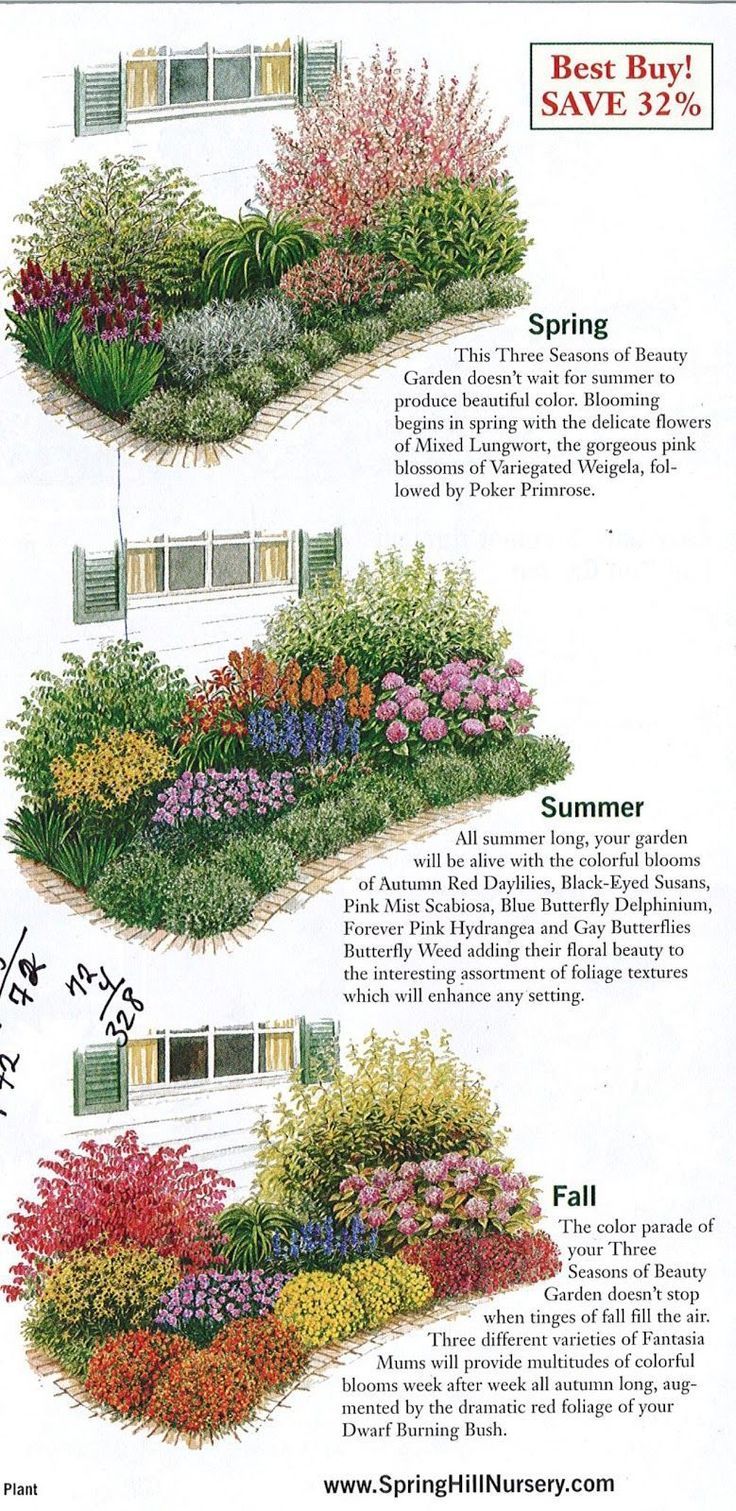
Designing a thoughtful 3 season garden plan helps you create outdoor living space that delivers color, food, and fragrance from early spring through the first frost. Instead of planting randomly, you can structure your yard so that different plants take the spotlight in turn, keeping beds lively across spring, summer, and fall. This approach reduces gaps in bloom, minimizes maintenance surprises, and makes the most of your gardening budget. By choosing the right mix of trees, shrubs, perennials, annuals, and edibles, you build a resilient landscape that welcomes pollinators, supports local ecosystems, and stays attractive even when the weather shifts.
A solid 3 season garden plan starts with understanding your local climate, sunlight patterns, and soil conditions. Take note of which areas stay in shadow all day and which spots get full sun, then match plant needs to those spots. Group plants with similar water and fertilizer requirements together to simplify care and prevent waste. With a clear map in hand, you can select trees for structure, shrubs for mid height drama, and layered perennials that fill in as the year unfolds.
Structuring the Garden for Continuous Interest
To keep your landscape vibrant from spring into fall, think in layers and stagger bloom times. Early spring bulbs and flowering trees provide the first burst of color, followed by dependable perennials and flowering shrubs that bridge into midsummer. Then annuals, later perennials, and late season fruits or seed heads extend the display well into the cooler months. This layered rhythm gives your eyes variety in height, texture, and color without feeling chaotic.


Pathways, seating areas, and focal points help turn a pretty planting plan into usable outdoor rooms. A winding stone path invites you to explore, while a bench near a fragrant shrub or small tree gives you a place to pause. You can frame views with ornamental grasses, line walkways with low edging plants, and use containers to add flexibility. With each element carefully placed, your 3 season garden becomes a backdrop for everyday memories and quiet moments.
Foundation Plantings and Structure
Evergreens, ornamental grasses, and structural shrubs form the skeleton of the garden when flowers fade. Choose a mix of upright, spreading, and cascading forms so the landscape looks strong even during the off season. Use taller plants near property lines or next to fences to create privacy, and keep lower growing varieties near entrances and pathways. By balancing evergreen and deciduous material, you ensure year round interest while still allowing plenty of room for seasonal highlights.


When planning foundation plantings, consider how plants will look from both inside and outside your home. Viewed through windows, layered groupings of shrubs and perennials should frame the view without blocking light. From the yard, these same plantings should create a sense of depth, guiding the eye from the house outward into the landscape. A thoughtful 3 season garden plan treats the house and yard as one cohesive design, so transitions feel intentional rather than accidental.
Focal Points and Accents
Strategic focal points, such as a sculptural tree, water feature, or decorative container, give the garden a clear center of attention. A single dramatic specimen tree can anchor a large bed, while smaller accent plants help tie the space together. Use repetition of color or pot style to link different areas of the yard, so the overall design feels coherent. This approach keeps your 3 season garden plan looking curated rather than random, even as plant combinations change.
Lighting, garden art, and thoughtfully placed hardscape materials add another layer of personality. Solar path lights, low voltage fixtures, and lanterns can highlight key plants at night and improve safety after dark. Decorative pots, bird feeders, and simple sculptures add character without overwhelming the planting scheme. Combined with carefully chosen plants, these accents turn the garden into a personal sanctuary that works in all seasons.


Practical Planning and Seasonal Tasks
Translating your vision into a workable 3 season garden plan requires measuring beds, sketching layouts, and listing the plants you want to use. Start with perennials and trees that stay for years, then add annuals and bulbs for seasonal pops of color. Create a simple calendar that reminds you when to prune, divide, mulch, and plant successive waves of annuals. A little planning ahead saves time, reduces stress, and keeps your garden looking polished.
Soil preparation, proper spacing, and correct planting depth are the quiet foundations of success. Amend beds with compost, check drainage, and adjust pH based on the plants you choose. Space individuals according to their mature size to avoid constant moving and overcrowding. When the basics are solid, your plants establish quickly, compete less with weeds, and put more energy into healthy growth and abundant blooms.
Low Maintenance Strategies
Choosing drought tolerant perennials, native plants, and disease resistant varieties reduces the amount of watering and spraying you need to do. Group thirsty plants together near a water source, and use mulch to conserve moisture and suppress weeds. With smart plant selection and simple irrigation, such as soaker hoses or drip lines, you can enjoy a lush 3 season garden plan without spending every weekend in the yard.


Regular, light maintenance keeps your garden looking its best and prevents small issues from turning into big problems. Deadheading spent flowers, removing damaged leaves, and edging beds gives an immediate polish. At the end of each season, tidy up selectively, leaving some seed heads and stems for winter interest and wildlife. These ongoing care habits support a healthier garden year after year.
Design Tips for Small and Large Spaces
Even a modest balcony or narrow strip of land can benefit from a focused 3 season garden plan. Use vertical planters, hanging baskets, and wall mounted containers to maximize space, and choose compact or dwarf varieties of shrubs and fruit trees. Light color schemes, smooth textures, and reflective surfaces can make a tiny area feel larger and more open.
In larger yards, repetition and gradual transitions help avoid a scattered look. Repeat key colors or plant shapes through different garden rooms, and let pathways guide movement from one area to the next. Create outdoor rooms for dining, relaxing, and growing edibles, then connect them with clear sight lines. A cohesive 3 season garden plan makes big spaces feel intentional while still offering plenty of room to experiment.
Choosing plants that feed you as well as your eyes is an easy way to increase value in your landscape. Grow herbs close to the kitchen door, train fruit bushes along fences, and plant edible flowers among ornamentals. Raised beds and containers make it simple to control soil quality and move crops as your 3 season garden plan evolves. By blending edibles with decorative planting, you keep the space productive, educational, and beautiful.
As your garden matures, keep notes on what performed well and what struggled each year. Adjust plant groupings, swap out weak varieties, and try new combinations that fit your climate and style. A living garden plan is a document you can refine over time, turning trial and error into confident, intuitive design. With patience, attention, and periodic updates, your outdoor space will continue to reward you with beauty, fresh harvests, and a deeper connection to the changing year.
Related Articles

The Ultimate Guide to Landscaping Tree Stumps: Removal and Design Ideas
When you look at a finished yard, the last thing you usually notice are the tree stumps left behind after a majestic tree is removed. These circular reminders...

Modern Prairie Garden Design Ideas Landscaping Tips
The modern prairie garden captures the sweeping openness of the American heartland while bringing thoughtful structure and contemporary style to outdoor...

Serene Buddhism Zen Garden Design Ideas Landscaping and Spiritual Inspiration
Walking into a dedicated space designed around the quiet teachings of Zen can feel like stepping out of the noise of the modern world and into a pocket of...

Small Tree Ideas For Front Garden Bed Landscaping And Design
Selecting a small tree for front garden bed projects can transform your home entrance with instant structure and year round character. These compact specimens...

Small Butterfly Garden Design Plans 10 Stunning Ideas To Create Your Own
Creating a small butterfly garden design plans is one of the most rewarding projects for any nature enthusiast with limited outdoor space. These intimate...

Elevated Garden Harvests: The Ultimate Guide to Raised Kitchen Garden Bed Design and Benefits
Raised kitchen garden bed designs are transforming the way people interact with fresh ingredients right outside their back doors. This approach combines...