The Ultimate 3 Season Garden Plan For Year Round Vibrant Blooms
A well structured 3 season garden plan turns your outdoor space into a continuous display of color, texture, and fragrance that evolves from early spring through late autumn.
Instead of planting randomly, you can design with intention so there is always something interesting happening in the beds, whether the weather is cool, warm, or somewhere in between.
Understanding the Three Season Framework
The foundation of any successful 3 season garden plan is a clear understanding of what each season contributes to the overall look and function of your landscape.
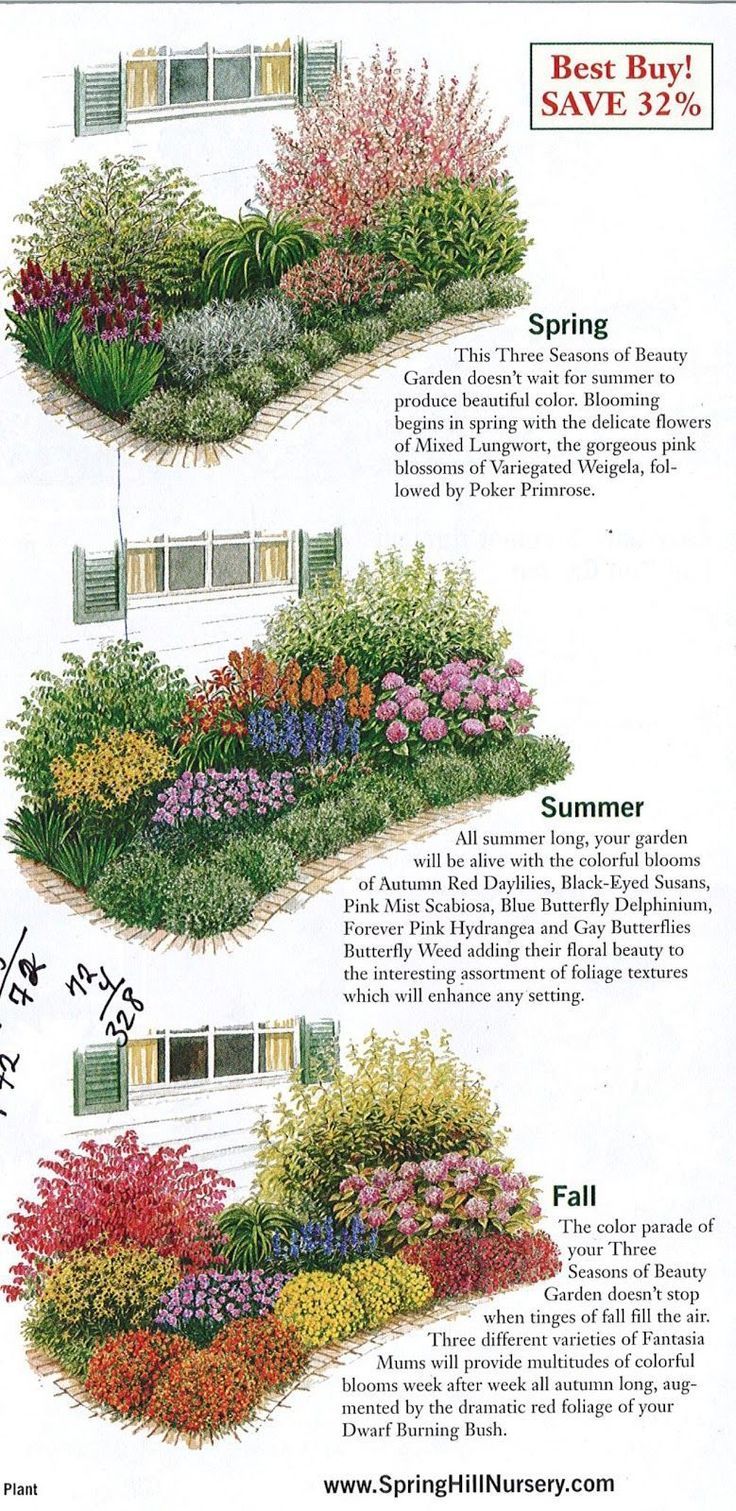


Spring typically brings emerging foliage and early blooms, summer delivers lush abundance and vibrant color, while autumn contributes rich foliage changes, seed heads, and a more relaxed structural interest.
Evaluating Your Site and Conditions
Before you select specific plants, spend time observing how sunlight moves across your garden throughout the day.


Take note of soil drainage, exposure to wind, and the mature size of nearby trees so that your 3 season garden plan matches the realities of your site rather than fighting against them.
Choosing a Cohesive Color Palette
Sticking to a limited color palette helps your garden feel unified from season to season.
You might choose soft pastels for spring, bold and saturated hues for summer, and warm earth tones for autumn to create a sense of continuity without monotony.


Building the Structural Backbone
Strong structure keeps your 3 season garden plan looking intentional even when plants are not at their peak.
Use pathways, edging, focal points, and groups of repeat shapes to anchor the space and guide the eye, ensuring that each season feels coherent rather than chaotic.
Incorporating Evergreen Elements
Evergreen shrubs, conifers, and structural grasses provide year round form and substance that deciduous plants cannot match.


These bones support the garden in winter and add contrast to the softer textures of spring and summer growth, making your 3 season garden plan more resilient to seasonal changes.
Strategic Use of Hardscape and Containers
Paving, walls, fences, and containers create additional layers of texture and can carry color through multiple seasons.
By repeating materials or colors in hardscape and pots, you tie the different phases of your 3 season garden plan together so the transitions between seasons feel natural rather than abrupt.
Selecting Plants for Performance
Choosing the right mix of trees, shrubs, perennials, and bulbs is the most critical part of executing a successful 3 season garden plan.
Focus on plants that offer more than one season of interest, such as flowering branches, attractive bark, or foliage that turns vivid colors, to maximize impact without overcrowding the design.
Ornamental Grasses and Bold Foliage
Ornamental grasses bring movement and sound, while dramatic foliage plants add structure during the heat of summer.
These elements carry the garden through late summer and into early winter, ensuring your 3 season garden plan remains engaging even as flowers fade.
Bulbs, Groundcovers, and Seasonal Accents
Bulbs planted in drifts under trees or along borders deliver a punch of early spring color that wakes up the entire landscape.
Low growing groundcovers fill in gaps, suppress weeds, and create a lush carpet that ties together shrubs and taller perennials throughout the growing seasons.
Maintenance and Ongoing Care
A thoughtful 3 season garden plan relies on regular care to maintain its impact and prevent any single season from feeling neglected.
Simple routines such as timely pruning, deadheading, and seasonal mulching keep plants healthy and ensure that color, structure, and flow remain consistent.
Planning for Transitions and Succession
Succession planting, especially in mixed borders, allows you to replace spent early season perennials with later performers seamlessly.
This approach supports your 3 season garden plan by filling lulls in blooming time and keeping the garden visually dynamic from start to finish.
Long Term Vision and Adaptation
Plants grow, climates shift, and personal tastes evolve, so your 3 season garden plan should be flexible enough to adapt over the years.
By revisiting the layout, refreshing soil, and experimenting with new varieties, you keep the space feeling fresh while maintaining the strong seasonal rhythm you originally envisioned.
As you refine your approach, notice how each season responds to your choices and adjust with confidence, trusting that a carefully planned 3 season garden plan will reward you with depth, continuity, and a sense of place that feels both natural and distinctly your own.
Related Articles

How to Plant a Flower Garden That Blooms All Year Round Ultimate Guide
Planting a flower garden that blooms all year is a rewarding project that brings continuous color and life to your outdoor space. The idea of having flowers in...

The Ultimate Self Sustaining Garden Plan For Year Round Abundance
Creating a self sustaining garden plan is one of the most rewarding projects a homeowner can undertake, turning your outdoor space into a resilient and...

Vibrant Three Season Garden Ideas For Year Round Color
Designing a garden that thrives across spring, summer, and autumn opens up a world of color, fragrance, and texture long before the first frost arrives. By...

Low Maintenance Perennial Garden Plan For Effortless Color Year Round
A low maintenance perennial garden plan is the smart choice for busy homeowners who want color without the constant upkeep. These gardens rely on hardy plants...

Ultimate Greenhouse Garden Bed Cover Guide for Year Round Growing
A greenhouse garden bed cover acts as a versatile barrier that protects your carefully cultivated plants from harsh weather, pests, and temperature swings...

Central Texas Garden Planting Schedule Ultimate Guide for Perfect Year Round Growth
Central Texas gardeners quickly learn that timing is everything when it comes to planting. The unique climate here, with its unpredictable frost dates, intense...